
Listen to this Post
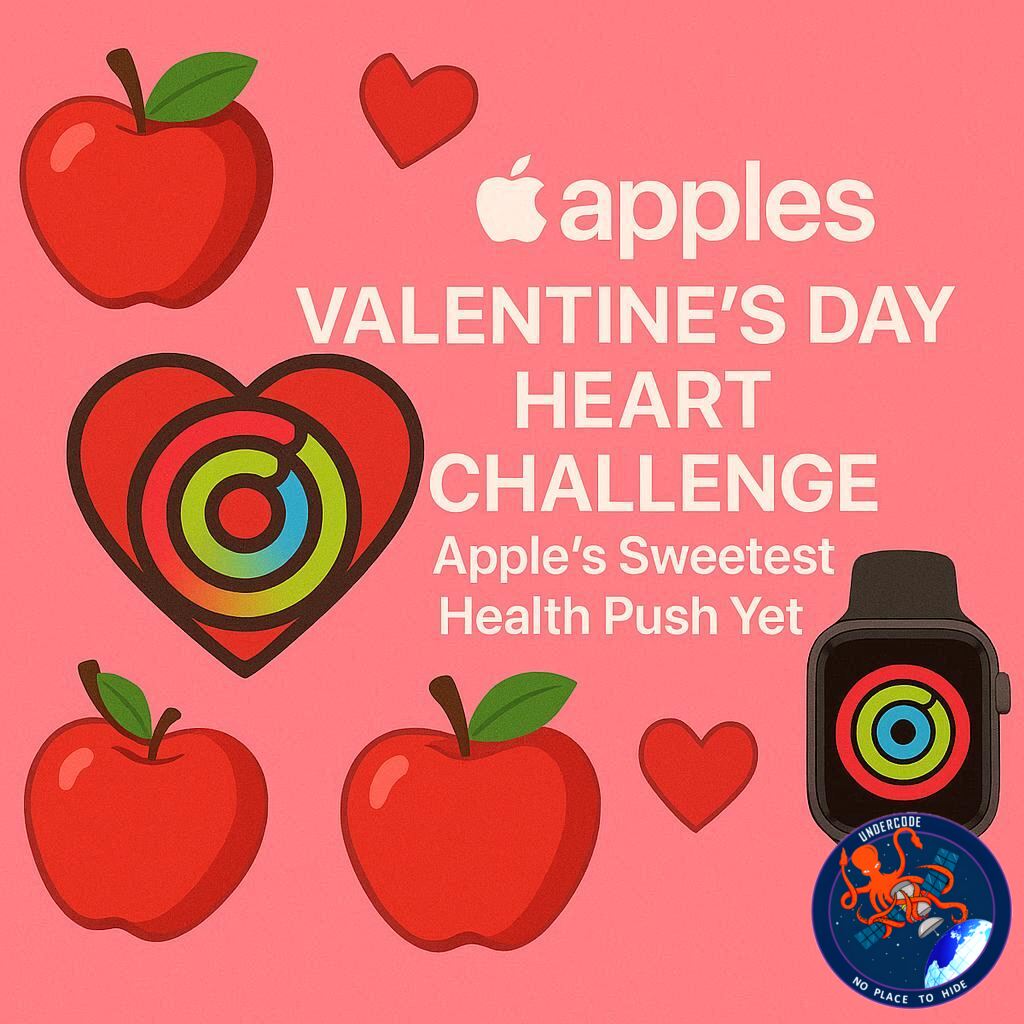
A Heartfelt Fitness Nudge From Apple
Apple is once again blending romance with responsibility by inviting Apple Watch users to mark Valentine’s Day with a health-focused tradition. Rather than chocolates or roses, the company is encouraging something more lasting: movement. The annual Heart Month Challenge turns February 14 into a small but meaningful fitness milestone, rewarding users who close their Exercise ring with digital badges, stickers, and a subtle reminder that heart health deserves daily attention—not just one day a year.
Valentine’s Day Meets Heart Month
Every February, Apple highlights Heart Month through a series of wellness initiatives, and the Valentine’s Day challenge has become one of its most recognizable rituals. The idea is simple and intentionally accessible: close your Exercise ring on Valentine’s Day and unlock a limited-time award. Apple frames it as a gift to your heart, reinforcing the emotional symbolism of the holiday with a practical action tied to long-term health.
How the Heart Month Challenge Works
To complete the challenge, Apple Watch users must close the green Exercise ring on February 14. This ring typically represents 30 minutes of activity, though many users customize it to higher goals based on fitness level. Any workout counts, as long as it is logged through an app that writes data to Apple’s Fitness app. The built-in Workout app works seamlessly, but third-party fitness apps are also supported.
Custom Goals, Real Commitment
While the challenge is easy on paper, Apple does not lower the bar for the occasion. Users who have increased their Exercise goal must meet their full customized target to earn the award. This design choice reinforces consistency over shortcuts, subtly reminding users that personalization comes with accountability. The reward only arrives if the commitment is honored.
Digital Rewards With Emotional Value
Successful participants receive a special Fitness app award along with exclusive iMessage stickers. These digital collectibles have no monetary value, yet they play a powerful motivational role. Apple has long understood that small recognitions can reinforce habits, especially when they are time-limited and socially shareable. For many users, these badges become part of a personal fitness history.
A Familiar Apple Strategy
This challenge fits neatly into Apple’s broader health ecosystem strategy. Instead of pushing dramatic transformations, Apple focuses on incremental behavior changes. Closing rings daily, earning badges, and participating in short challenges creates a feedback loop that rewards consistency. Valentine’s Day simply provides a culturally relevant hook to re-engage users who may have drifted from routine.
Accessibility Across Fitness Levels
One of the challenge’s strengths is its inclusivity. Users do not need intense workouts or specialized equipment. A brisk walk, a light jog, a yoga session, or even a dance workout can be enough. By keeping the barrier low, Apple ensures that the challenge feels achievable rather than intimidating, which is critical for long-term adherence.
The Role of Apple Watch in Health Awareness
Over the years, Apple Watch has evolved from a lifestyle accessory into a serious health companion. Features like heart rate monitoring, activity tracking, and fitness trends position the device as a daily wellness guide. The Heart Month Challenge leverages this role, using a symbolic date to remind users that heart health is not abstract—it is measurable, trackable, and actionable.
Community and Quiet Competition
Although the challenge is personal, it is rarely solitary. Users often share achievements through iMessage stickers or social media, turning a private workout into a shared moment. This light social pressure and encouragement can be just enough to motivate people to move, even on a busy or emotionally loaded day like Valentine’s Day.
What Undercode Say:
Apple’s Valentine’s Day Heart Month Challenge may look like a small seasonal promotion, but it reflects a much larger philosophy about how technology can shape behavior. Apple does not rely on fear-based health messaging or extreme fitness goals. Instead, it leans on rituals, symbolism, and gentle gamification to keep users engaged. This approach is particularly effective because it respects user autonomy while still nudging them in a healthier direction.
From an industry perspective, Apple’s strategy highlights a key advantage over traditional fitness platforms: ecosystem integration. The challenge works effortlessly because hardware, software, and services are tightly connected. Users do not need to think about syncing data or qualifying activities. The frictionless experience increases participation rates, which is ultimately more important than the difficulty of the challenge itself.
There is also a subtle psychological layer at play. By tying the challenge to Valentine’s Day, Apple reframes self-care as a form of love. This narrative shift matters. Health is no longer framed as discipline or sacrifice, but as a positive, even affectionate act. That messaging resonates across demographics, from casual users to fitness enthusiasts.
However, the challenge also exposes a limitation. Digital rewards alone may not be enough to sustain motivation for users who have already disengaged from fitness routines. While badges and stickers are effective short-term incentives, they work best when combined with deeper habit-building features. Apple seems aware of this, using challenges as re-entry points rather than complete solutions.
Looking ahead, these seasonal challenges serve another purpose: data continuity. Encouraging users to stay active ensures consistent health data collection, which improves trend analysis and personalized insights. In that sense, the Valentine’s Day challenge benefits both users and Apple’s long-term health intelligence goals.
Ultimately, this initiative is less about one day of exercise and more about reinforcing identity. Apple Watch users are subtly reminded that they are “people who close their rings.” Once that identity sticks, behavior often follows. That is where Apple’s real influence lies—not in the reward, but in the habit loop it quietly sustains.
🔍 Fact Checker Results
✅ Apple does run an annual Heart Month Challenge tied to Valentine’s Day.
✅ Closing the Exercise ring is the only requirement to earn the award.
❌ No evidence suggests Apple reduces Exercise goals specifically for this challenge.
📊 Prediction
Apple will continue expanding themed fitness challenges beyond awareness months, potentially tying them to global events or mental health initiatives. Future challenges may introduce adaptive rewards or social collaboration features, making participation more immersive while further positioning Apple Watch as a long-term health companion rather than a simple activity tracker.
🕵️📝✔️Let’s dive deep and fact‑check.
References:
Reported By: 9to5mac.com
Extra Source Hub (Possible Sources for article):
https://www.linkedin.com
Wikipedia
OpenAi & Undercode AI
Image Source:
Unsplash
Undercode AI DI v2
Bing
🔐JOIN OUR CYBER WORLD [ CVE News • HackMonitor • UndercodeNews ]
📢 Follow UndercodeNews & Stay Tuned:
𝕏 formerly Twitter 🐦 | @ Threads | 🔗 Linkedin | 🦋BlueSky | 🐘Mastodon


