
Listen to this Post
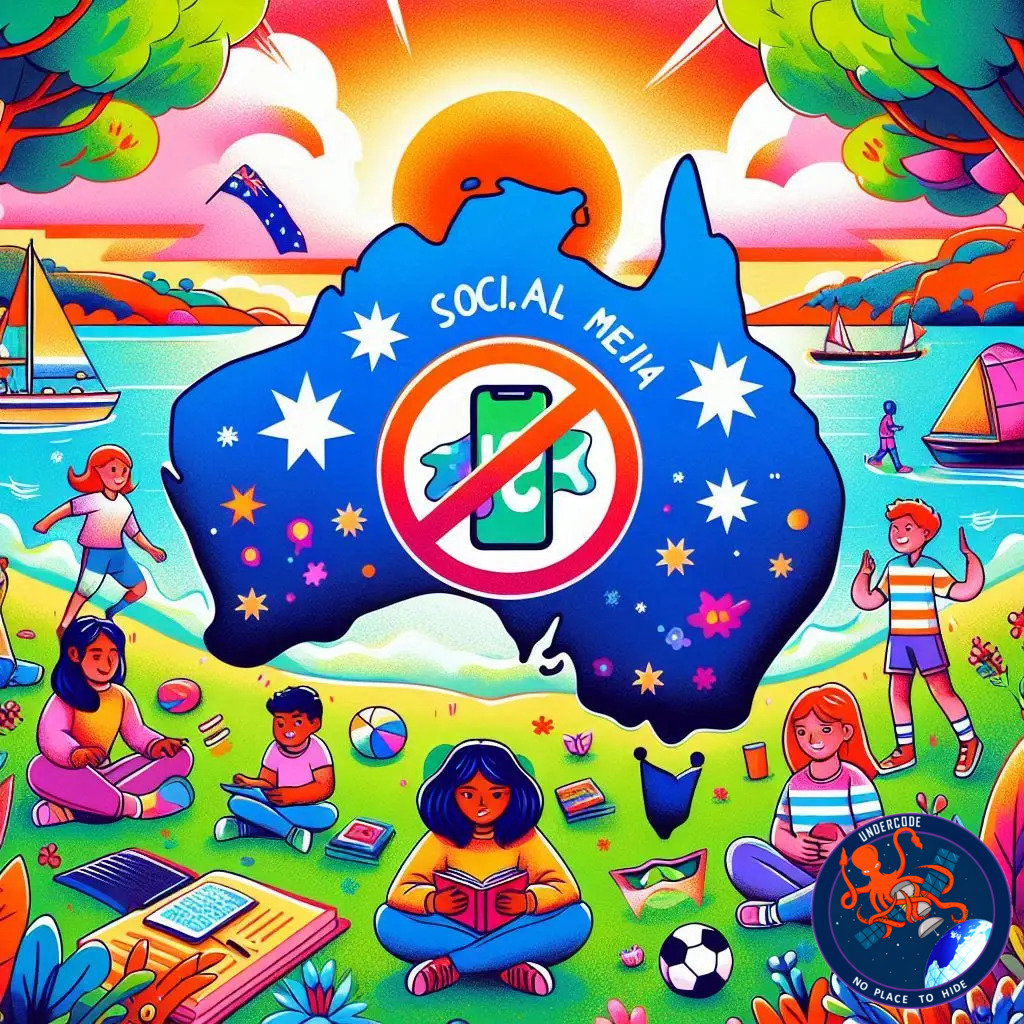
Australia has taken a bold step in the global debate over social media and youth safety, becoming the first country to implement a nationwide ban on major social media platforms for children under the age of 16. The law, effective December 10, 2025, has drawn attention from governments, parents, and teenagers worldwide, sparking intense discussions about online safety, free speech, and the role of tech companies in protecting young users. The move is seen as a test case that could influence similar policies in other countries, including the United States, Denmark, and Malaysia.
The law requires platforms like Snapchat, Facebook, Instagram, TikTok, Reddit, Threads, Twitch, X, and YouTube to verify users’ ages and block accounts for children under 16. Failure to comply could result in multi-million-dollar fines. Platforms are exploring AI-powered face scans or document verification to comply, while critics warn about privacy risks and the potential for teens to bypass restrictions using VPNs or other tools. Some teens have already sued to block the law, claiming it violates their rights to political expression, raising questions about free speech and digital rights.
Other countries are closely monitoring Australia’s experiment. Denmark and Malaysia are planning similar age restrictions, while in the United States, states like Nebraska, Utah, Texas, and Louisiana have already introduced measures requiring parental consent or age verification for social media and app usage. Lawmakers, including former Chicago mayor Rahm Emanuel, have suggested that the U.S. could adopt a nationwide ban, although legal challenges and congressional gridlock make this unlikely in the near term.
Tech companies have implemented protections voluntarily in the U.S., such as parental controls, “take a break” reminders, content restrictions, and AI-based age verification. Instagram has created “teen accounts” aligned with PG-13 content ratings, while Roblox now requires ID or face scans for chat features. YouTube and OpenAI are also exploring AI systems to verify users’ ages. These measures indicate a growing industry focus on youth protection, which could either reduce the need for stricter regulations or prepare platforms to comply if more laws are passed.
The Australian ban highlights the tension between protecting young users from online harms and preserving digital rights and privacy. The global community is watching closely, as the outcomes could shape future social media policies for minors worldwide.
What Undercode Say:
Australia’s pioneering ban represents a turning point in how governments, society, and tech companies approach youth online safety. The law reflects growing recognition of the risks that unregulated social media use poses to minors, including mental health issues, cyberbullying, sexual exploitation, and social pressures tied to body image. By targeting children under 16, the Australian government is prioritizing long-term wellbeing over short-term freedoms, sparking debate over the balance between protection and rights.
The technical mechanisms for enforcing the ban—AI-driven facial recognition, document verification, and age estimation algorithms—illustrate how far regulators are willing to go to impose compliance. Yet these methods are not foolproof. Experience in the UK shows teens can bypass AI verification using creative workarounds, such as using avatars or images of older individuals. Privacy concerns are also critical: requiring biometric data raises questions about how securely platforms store sensitive information and the potential misuse of such data.
Critics have framed the ban as a free speech issue, particularly for politically active teens who argue their digital presence is essential for civic engagement. These concerns highlight a broader societal challenge: digital platforms are both tools for empowerment and potential avenues for harm. Navigating these dual roles is complex and fraught with legal, ethical, and technological considerations.
The ban’s ripple effects may extend far beyond Australia. Governments in Europe, Asia, and North America are closely observing its implementation, outcomes, and unintended consequences. In the U.S., while a federal law is unlikely in the near term due to First Amendment protections and political gridlock, state-level initiatives will likely expand. Platforms may preemptively adopt stricter age verification systems and parental controls to avoid penalties and bolster their public image.
Social media companies face a critical inflection point. Compliance with such age restrictions will require not just technical adjustments but also shifts in corporate governance, privacy policies, and public messaging. The move could catalyze innovation in safer social media experiences for minors, from AI monitoring to tiered content access, potentially creating a blueprint for global standards.
Additionally, the ban spotlights a philosophical debate: Should governments intervene to restrict access to digital spaces for children, or should education, parental guidance, and voluntary platform policies suffice? Australia’s experiment suggests that, at least in some jurisdictions, lawmakers are willing to prioritize protection, even amid legal challenges.
For teens, the ban could reshape how they interact with technology, potentially slowing the rise of social media dependency and its associated mental health consequences. For parents, the legislation provides legal backing for enforcing limits and monitoring online activity. For tech companies, it presents both compliance burdens and reputational stakes, as successful adaptation may position them as global leaders in child safety.
Ultimately, the Australian ban underscores an emerging global consensus: governments are increasingly unwilling to leave children entirely unprotected online. How platforms respond, and how teens adapt, will influence the next era of digital policy worldwide.
Fact Checker Results:
✅ Australia’s under-16 social media ban takes effect on December 10, 2025.
✅ Platforms like TikTok, Instagram, YouTube, and Facebook must verify ages or face fines.
❌ The law does not currently include platforms such as Roblox or Discord, though they may be added later.
Prediction:
🌐 If Australia’s ban proves effective, other countries including Denmark, Malaysia, and parts of the U.S. could implement similar restrictions by 2030. AI-driven age verification and parental controls will become standard features across major platforms. Legal challenges and workarounds will persist, but the global trend will lean toward stricter youth protection online.
🕵️📝✔️Let’s dive deep and fact‑check.
References:
Reported By: edition.cnn.com
Extra Source Hub (Possible Sources for article):
https://www.stackexchange.com
Wikipedia
OpenAi & Undercode AI
Image Source:
Unsplash
Undercode AI DI v2
Bing
🔐JOIN OUR CYBER WORLD [ CVE News • HackMonitor • UndercodeNews ]
📢 Follow UndercodeNews & Stay Tuned:
𝕏 formerly Twitter 🐦 | @ Threads | 🔗 Linkedin | 🦋BlueSky | 🐘Mastodon


