
Listen to this Post
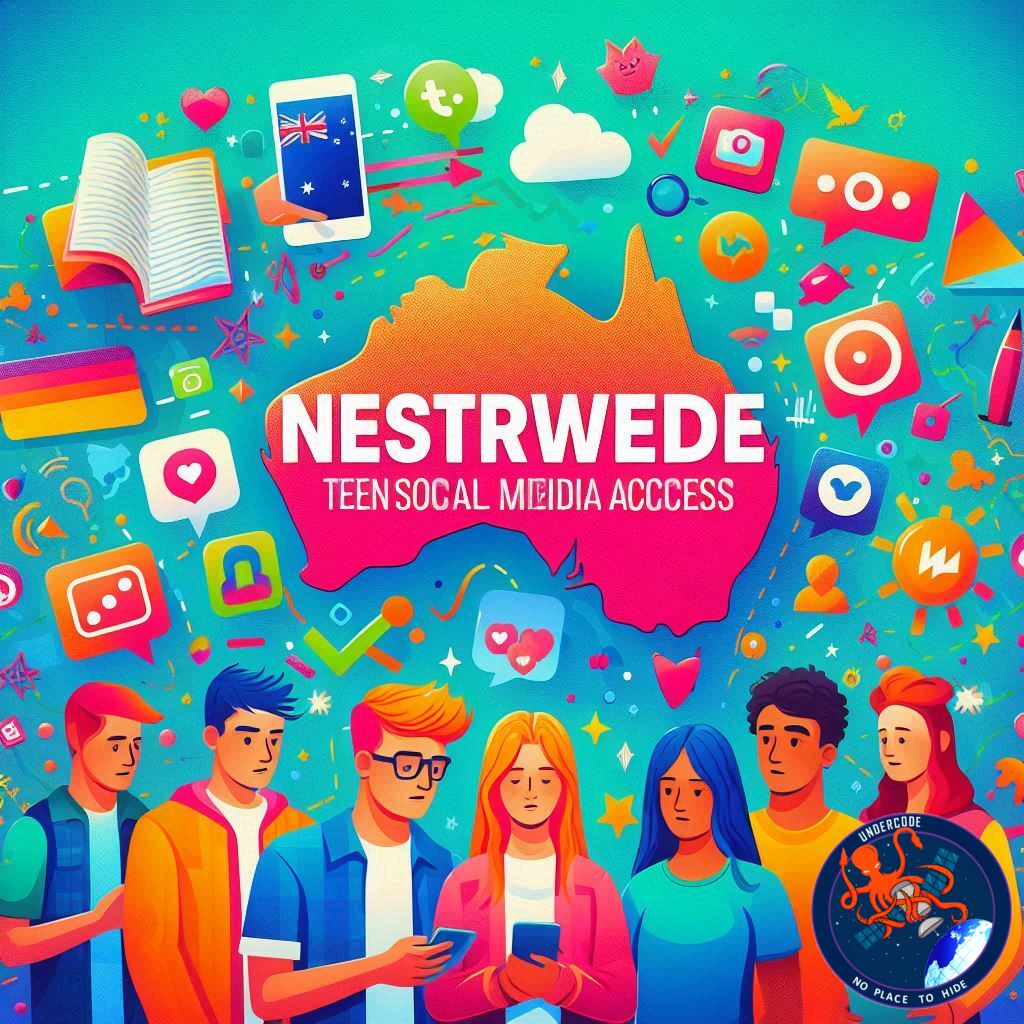
Introduction, Rising Scrutiny Over Youth Online Exposure
Australia has intensified its campaign to protect young people from what officials describe as an escalating crisis of digital overexposure, psychological risk, and unregulated content flows. After months of public debate over screen habits and mental health, the government has officially expanded its list of banned social platforms for users under sixteen years of age. In a move that surprised some and validated others, Twitch, the Amazon-owned live-streaming giant, has now joined the country’s restricted platforms. At the same time, Pinterest was spared, signaling a nuanced regulatory approach that weighs platform culture, content dynamics, and risk levels. This renewed clampdown forms part of Australia’s ongoing overhaul of its Online Safety Act, a legislative effort reshaped by rising concern among parents, educators, and mental-health experts.
Australia Expands Its Teen Social-Media Restrictions
Australia has widened its existing social-media restrictions with a fresh directive that now includes Twitch among the platforms banned for users under sixteen. Reuters reports that the decision follows months of government review targeting the mental-health risks associated with social platforms and the often-uncontrolled environments young people navigate daily.
Regulators Weigh Platform Risks and Content Behaviors
According to the report, the government opted to add Twitch because its content ecosystem is largely unfiltered, fast-paced, and interactive in real time, creating moments where moderation tools fail to keep up. Meanwhile, Pinterest was removed from the ban list after regulators concluded that its content skews toward low-risk creative inspiration and lifestyle categories.
The Ban Now Covers Major Youth-Driven Platforms
With the addition of Twitch, Australia’s under-sixteen blacklist now includes Instagram, TikTok, Snapchat, and Twitch. Officials argue that this growing roster represents the platforms most linked to addiction-driven content loops, harmful social pressure, and patterns associated with worsening teen anxiety.
Twitch’s Real-Time Format Raises Safety Concerns
Authorities specifically highlighted Twitch’s live-streaming core, pointing out that real-time interaction makes it difficult to pre-screen harmful behavior. Bullying, harassment, explicit language, and unpredictable interactions can occur in seconds, often before moderators intervene.
Australia’s Online Safety Act Undergoes Renewal
These decisions form part of the broader update to the nation’s Online Safety Act, which is being revised to confront the realities of modern digital spaces. The review reflects growing alarm over rising screen time, exposure to inappropriate material, and the blurring lines between entertainment and digital dependency.
Critics Warn About Overreach and Limited Digital Freedom
Some critics argue that Australia’s sweeping bans risk becoming paternalistic, limiting teens from accessing platforms that can foster creativity, community building, and early digital skills. They fear that regulation may eventually suffocate harmless and productive online culture.
Industry Reactions Vary Across Platforms
Although Twitch has not publicly responded, industry analysts suggest that the ban could significantly disrupt its Australian market, particularly among younger gamers who make up a large portion of its community. Pinterest expressed relief at being exempted, highlighting its culture of positivity, design, and creativity.
What Undercode Say:
Evaluating Risk Through Platform Architecture
The decision to isolate Twitch reflects a deeper truth about platform design. Unlike Instagram or TikTok, which operate through algorithmic feeds, Twitch thrives on spontaneity. Its live streams are unpredictable journeys shaped not only by creators but by the audience itself. That dynamism inherently creates openings for unmoderated chaos. When regulators look for risk indicators, unpredictability ranks high.
Real-Time Interaction as a Safety Weak Point
Real-time communication is simultaneously Twitch’s strength and its downfall. In a world where information moves faster than oversight, live streams bypass the traditional safety buffer that pre-recorded content offers. Teen users, often more sensitive to peer pressure or harmful commentary, can be exposed instantly without warning or supervision. The regulatory decision stems from a pragmatic recognition: systems built around spontaneity are inherently difficult to police.
Balancing Protection and Digital Maturity
The challenge for Australia lies in crafting laws that shield teens without stunting their digital literacy. Modern life demands early familiarity with online environments. Banning entire platforms removes exposure rather than managing it. While safety is the intent, the consequence may be a generation with fewer opportunities to learn safe, independent online navigation.
Cultural Impact on Youth Gaming Communities
The ban will reshape Australia’s gaming landscape. Twitch is not just a platform; it is a community hub where teens often form friendships, build skills, and discover creative paths. Removing access may disrupt social circles and reduce opportunities for budding streamers who use the platform for early career experimentation.
Pinterest’s Exemption Shows a New Regulatory Nuance
Australia’s contrasting treatment of Twitch and Pinterest reveals a shift toward context-sensitive regulation rather than broad, uniform bans. Pinterest’s aesthetic-focused environment poses lower risks, yet its exemption also acknowledges that not all platforms contribute equally to digital harm. The government is beginning to classify platforms based on behavioral influence rather than size or popularity.
Potential for a Global Ripple Effect
Other nations observing Australia’s strict digital-safety stance may consider similar age restrictions. Europe has already signaled interest in youth-protective digital frameworks, and the United States continues to debate age-verification reforms. Twitch may soon encounter regulatory pressure from more countries if Australia’s model spreads.
Economic and Industry Repercussions
Restricting Twitch impacts not only young viewers but also creators and advertisers. Australian streamers may experience reduced engagement, potentially affecting revenue streams and brand partnerships. Smaller creators, especially those who depend on teen audiences, may find it harder to sustain visibility.
Crafting Smarter Solutions Beyond Blanket Bans
Real change may require more than blocking access. Smarter content filters, verified maturity tiers, and enhanced parental dashboards could create middle-ground solutions. Regulation must evolve from prohibition to innovation, blending safety with flexibility.
Fact Checker Results
✔️ The expansion of bans to include Twitch for users under sixteen is confirmed by Reuters.
✔️ Pinterest was reviewed but ultimately removed from the ban list due to perceived lower risk.
❌ No official statement from Twitch has been released at the time of reporting.
Prediction
Australia’s tightening policies will likely push tech companies toward stronger AI moderation tools and stricter age-verification systems. More countries may adopt similar frameworks, especially targeting live-streaming formats. Pressure on Twitch will intensify, potentially leading to platform redesigns aimed at improving real-time safety.
🕵️📝✔️Let’s dive deep and fact‑check.
References:
Reported By: timesofindia.indiatimes.com
Extra Source Hub (Possible Sources for article):
https://www.linkedin.com
Wikipedia
OpenAi & Undercode AI
Image Source:
Unsplash
Undercode AI DI v2
Bing
🔐JOIN OUR CYBER WORLD [ CVE News • HackMonitor • UndercodeNews ]
📢 Follow UndercodeNews & Stay Tuned:
𝕏 formerly Twitter 🐦 | @ Threads | 🔗 Linkedin | 🦋BlueSky | 🐘Mastodon


