
Listen to this Post
Introduction: A New Chapter for Refurbished Electronics
The refurbished electronics market has grown rapidly over the last decade, powered by eco-conscious buyers and those looking for affordable alternatives to brand-new gadgets. Until recently, much of this industry existed exclusively online, forcing customers to take a leap of faith when purchasing a used device. Now, Back Market, one of the leading global marketplaces for refurbished tech, is changing the game by opening its first-ever physical store in New York City. This bold move is designed to give buyers the confidence to see, touch, and test devices before committing, while also pushing forward a mission of sustainability and affordability in consumer technology.
Back Market’s First Step into Physical Retail
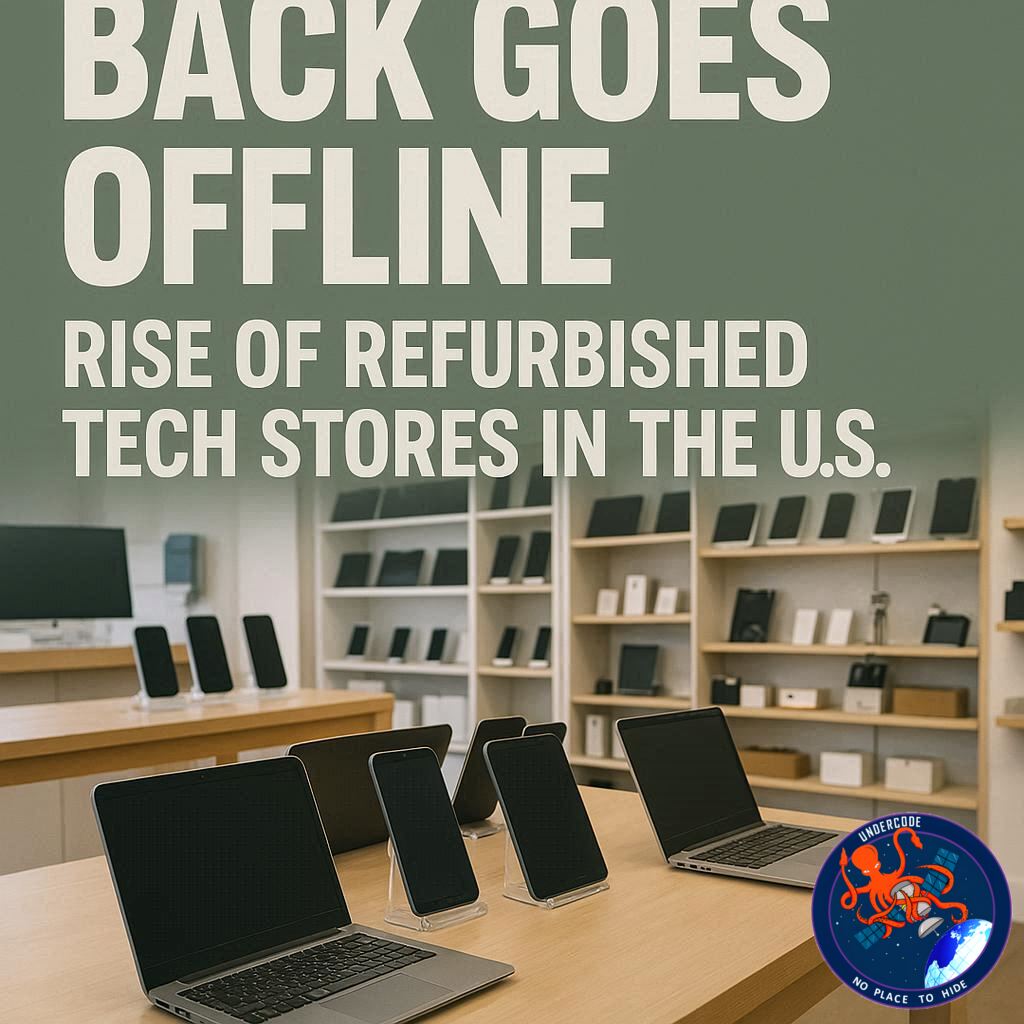
Back Market, known for connecting consumers with certified refurbished devices, has launched a pilot store in Manhattan’s Soho neighborhood. Unlike most online-only refurbished tech retailers, this physical location lets consumers try out phones, laptops, and tablets in person. By mimicking the polished retail experience of tech giants like Apple, Back Market hopes to erase the stigma attached to secondhand electronics.
Building Consumer Trust Through Hands-On Experience
For many customers, hesitation remains the biggest obstacle when considering refurbished tech. Without seeing a device firsthand, buyers worry about hidden defects or lack of quality assurance. By offering a space where people can interact directly with repaired devices, Back Market is addressing the trust gap that online-only retailers such as Gazelle or Best Buy’s refurbished outlet cannot fully bridge.
More Than Just Shopping: Events and Repairs
The new store is not just about sales. It also functions as a hub for repair services, workshops, and sustainability-driven events. This aligns with Back Market’s mission to support a circular economy, one that reduces the constant push for yearly upgrades. The company’s strategy is to make sustainability not just an environmental choice but also a practical and financially rewarding one.
The Price Advantage of Refurbished Tech
Perhaps the most compelling factor for consumers is price. Refurbished devices can cost up to 70% less than brand-new equivalents. For example, an iPhone 15 Plus priced at $729 can be found for $493 through Back Market—cheaper than Apple’s own refurbished option at $619. With rising inflation, tariffs, and tech prices, this cost advantage becomes increasingly significant.
Generational Shifts in Buying Habits
Back Market’s US general manager, Lauren Benton, pointed out that while only 5% of Americans currently buy refurbished electronics, younger generations are driving momentum. In Europe, the refurbished tech market has already hit $50 billion, and the US is now catching up. Gen Z, in particular, is showing strong adoption, with 60% trying refurbished devices for the first time.
Interactive Experiences Inside the Store
To make the shopping process engaging, Back Market’s new store includes an interactive challenge where visitors try to tell the difference between new and refurbished devices. The store also provides breakdowns of repair grades, cleaning and restoration services, trade-in options, and even Google Fi Wireless plans—positioning it as a full-service hub for smart, sustainable tech use.
A Timely Opening for Holiday Shopping
Located at 449 Broadway in Manhattan, the store will be open until December 21, just in time for the holiday season. For shoppers looking for affordable gifts without compromising on quality, the timing is ideal.
What Undercode Say:
The opening of Back Market’s first US store is more than just a business expansion—it signals a deeper shift in how Americans may come to view refurbished technology. Here are some key points worth dissecting:
Physical Presence Builds Trust
Trust is the single greatest barrier in the refurbished tech market. By providing a physical store, Back Market directly tackles consumer hesitation. Seeing a refurbished iPhone that looks brand-new and testing its performance eliminates much of the fear that online listings cannot address.
Competing With Apple and Big Retailers
Apple and Samsung both run certified refurbished programs, but their prices are often significantly higher. By undercutting these giants while offering a premium shopping experience, Back Market positions itself as the smart alternative for cost-conscious consumers who don’t want to sacrifice quality.
The Circular Economy Advantage
The constant tech upgrade cycle is environmentally unsustainable. Back Market’s store is a statement against waste culture, pushing for a model where devices are repaired, reused, and repurposed. This isn’t just an economic benefit for buyers but also an environmental necessity in an industry notorious for e-waste.
Bridging Cultural Gaps Between US and Europe
Europe has embraced refurbished devices far more than the US. The $50 billion market size overseas proves there is a scalable demand. Back Market’s challenge is not supply but cultural perception. By normalizing refurbished products through a sleek physical store, they may help spark a similar shift in the American mindset.
Gen Z as a Catalyst for Change
Younger generations are far less attached to the idea of “brand-new” ownership. Gen Z values sustainability, price savings, and practicality. Their growing influence means they could drive refurbished devices into the mainstream, much like how streaming services displaced DVDs.
Price Sensitivity in a Fragile Economy
With inflation and tariffs continuing to push up the cost of consumer electronics, refurbished options are becoming a necessity rather than a niche. If a customer can buy a nearly identical phone at 40% less, the decision becomes financially rational—even irresistible.
The Experience-Driven Store Model
By including workshops, repair services, and interactive challenges, Back Market ensures that the store is not just a retail outlet but an educational and experiential hub. This strategy mirrors Apple’s Genius Bar concept but flips it toward sustainability.
Possible Expansion Across the US
If the Soho pilot succeeds, it’s easy to imagine Back Market rolling out similar stores in major cities like Los Angeles, Chicago, or San Francisco. These hubs could eventually rival traditional electronics retailers in both foot traffic and cultural relevance.
Long-Term Outlook
If consumer behavior shifts toward refurbished electronics, Back Market will be at the forefront of a major retail revolution. Their brand could become synonymous with “smart shopping” in tech, much like how Tesla is linked to electric cars.
Fact Checker Results
✅ Back Market officially opened its first US store in New York City’s Soho neighborhood.
✅ Refurbished devices can indeed save buyers up to 70% compared to new prices.
❌ Only 5% of Americans buy refurbished tech today, but the growth rate is uneven across demographics.
Prediction
Over the next three years, refurbished tech will move from niche to mainstream in the United States, with physical stores acting as the bridge. Back Market is likely to expand beyond New York, targeting urban hubs with younger populations. As economic pressures and environmental concerns rise, refurbished devices may soon become the default choice for millions of buyers. 🌍📱💡
🕵️📝✔️Let’s dive deep and fact‑check.
References:
Reported By: www.zdnet.com
Extra Source Hub:
https://www.stackexchange.com
Wikipedia
OpenAi & Undercode AI
Image Source:
Unsplash
Undercode AI DI v2
🔐JOIN OUR CYBER WORLD [ CVE News • HackMonitor • UndercodeNews ]
📢 Follow UndercodeNews & Stay Tuned:
𝕏 formerly Twitter 🐦 | @ Threads | 🔗 Linkedin | 🦋BlueSky | 🐘Mastodon


