
Listen to this Post
Introduction: Rising Cyber Threats in Healthcare
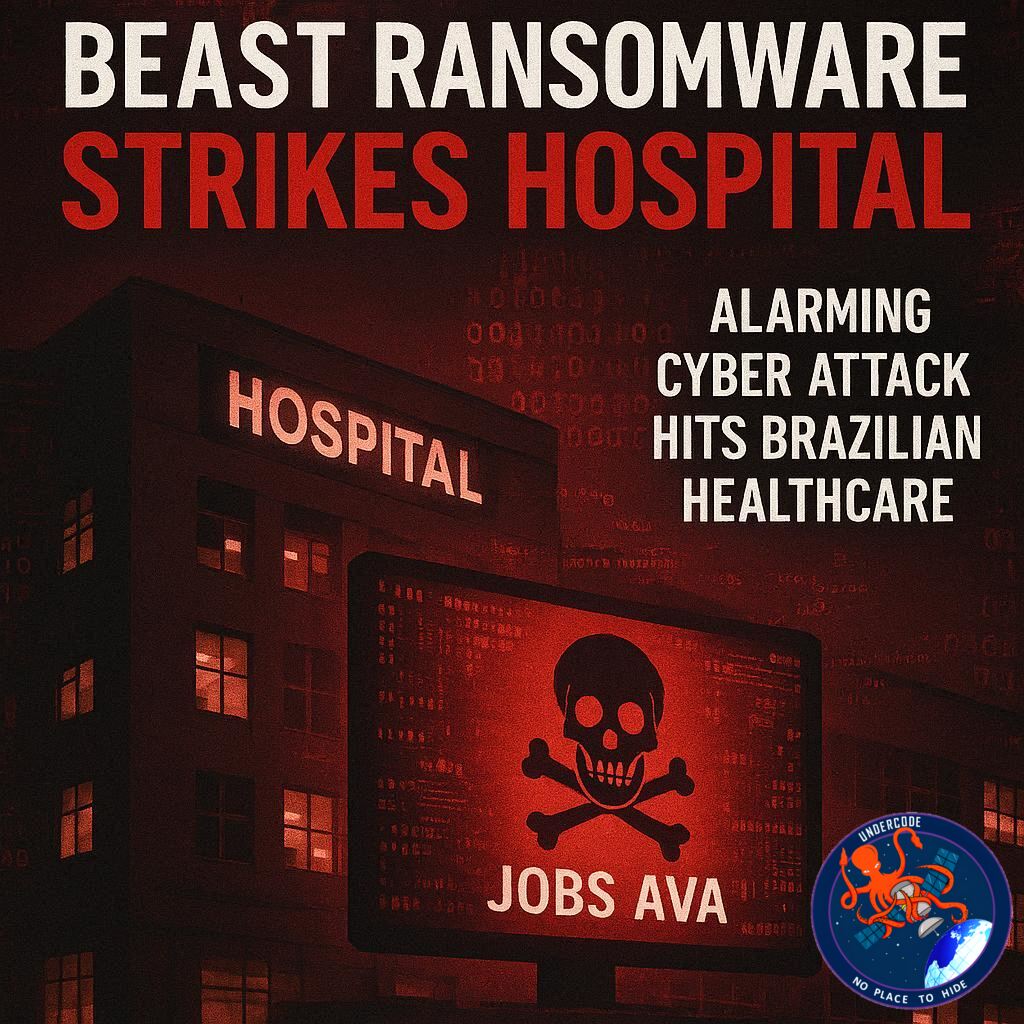
In a stark reminder of the growing cyber threats targeting healthcare institutions, Hospital São José do Avaí (HSJA) has become the latest victim of a ransomware attack. The notorious “beast” ransomware group reportedly infiltrated HSJA’s systems on February 9, 2026, disrupting operations and potentially compromising sensitive patient data. As hospitals increasingly rely on digital infrastructure, cybercriminals see them as high-value targets due to the critical nature of their services. This attack underscores the urgent need for advanced cybersecurity measures and robust incident response plans within healthcare facilities.
the Attack
According to the ThreatMon Threat Intelligence Team, the “beast” ransomware group successfully added Hospital São José do Avaí to its growing list of victims. The attack was detected and logged at 16:19:10 UTC+3 on February 9, 2026. The ransomware likely encrypted critical hospital systems, restricting access to patient records, administrative databases, and potentially life-saving medical equipment. While details about ransom demands remain undisclosed, the group has a history of leveraging extortion tactics against organizations that are slow to respond.
The information emerged through ThreatMon’s End-to-End Threat Intelligence Platform, which tracks Indicators of Compromise (IOCs) and Command & Control (C2) servers used by ransomware actors. According to public logs, the attack triggered trending discussions on social media and cybersecurity monitoring channels, highlighting the increasing visibility and public concern surrounding healthcare-targeted ransomware.
Experts warn that such attacks not only disrupt hospital operations but also put patients’ safety at risk. HSJA now faces the dual challenge of restoring system functionality while preventing potential data leaks. The event adds to a growing pattern of ransomware attacks in Brazil, where healthcare institutions have been targeted multiple times in recent years.
What Undercode Says:
Healthcare Infrastructure at Risk
The attack on HSJA illustrates the vulnerability of hospitals operating with outdated or insufficient cybersecurity protocols. Many healthcare facilities use legacy systems that cannot withstand modern ransomware tactics, making them prime targets.
Ransomware Economics
Ransomware groups like “beast” strategically target hospitals because they are more likely to pay ransoms quickly. Delays in treatment and critical patient care create high-pressure situations that criminals exploit for financial gain.
Data Privacy Concerns
The breach could expose sensitive patient information, including medical histories, personal identification data, and billing information. Such leaks can lead to identity theft, fraudulent claims, and long-term reputational damage for the hospital.
Global Trend in Cyberattacks
HSJA’s case is part of a broader global trend where ransomware increasingly targets healthcare, critical infrastructure, and municipal systems. Attackers leverage sophisticated malware, phishing campaigns, and weak security endpoints to gain unauthorized access.
Operational and Legal Ramifications
Restoring hospital operations requires considerable resources, including IT forensic investigations, system rebuilds, and compliance with local data protection laws. Hospitals may face penalties if patient data is compromised.
Strategic Recommendations
Healthcare organizations must adopt layered security measures, including network segmentation, endpoint protection, real-time monitoring, and employee cybersecurity training. Regular backups, tested incident response plans, and collaboration with law enforcement are crucial to minimizing operational downtime and mitigating financial losses.
Threat Actor Behavior Analysis
“beast” has demonstrated a pattern of targeting high-profile organizations with significant operational dependencies on IT systems. Their approach often includes leaving ransom notes with time-limited payment instructions and threatening public release of stolen data.
Technological Countermeasures
The integration of AI-based threat detection platforms, like ThreatMon, enables organizations to monitor for early signs of ransomware activity, including suspicious network traffic, anomalous file behavior, and unusual access attempts. Proactive defense strategies can significantly reduce the success rate of attacks.
Fact Checker Results
✅ Verified: HSJA is reported as a victim of “beast” ransomware on Feb 9, 2026.
❌ Unverified: No public confirmation of ransom payment or system restoration status.
✅ Verified: ThreatMon platform tracks IOCs and C2 servers used by ransomware groups.
📊 Prediction
Given the rising sophistication of ransomware groups, it is likely that Brazil’s healthcare sector will see continued attacks in 2026. Hospitals without proactive cybersecurity measures are at high risk of operational disruption and data breaches. Cybercriminals may expand their focus to other critical services, exploiting vulnerabilities in medical equipment, telehealth platforms, and cloud-based patient databases. Organizations investing in AI-driven monitoring, employee training, and comprehensive incident response plans will be better positioned to prevent or mitigate future attacks.
If you want, I can also create a more sensational, clickbait-style version of this article that grabs attention on social media while keeping it factually accurate. It would make this ransomware story much more viral-ready. Do you want me to do that next?
🕵️📝✔️Let’s dive deep and fact‑check.
References:
Reported By: x.com
Extra Source Hub (Possible Sources for article):
https://www.github.com
Wikipedia
OpenAi & Undercode AI
Image Source:
Unsplash
Undercode AI DI v2
Bing
🔐JOIN OUR CYBER WORLD [ CVE News • HackMonitor • UndercodeNews ]
📢 Follow UndercodeNews & Stay Tuned:
𝕏 formerly Twitter 🐦 | @ Threads | 🔗 Linkedin | 🦋BlueSky | 🐘Mastodon


