
Listen to this Post
Introduction
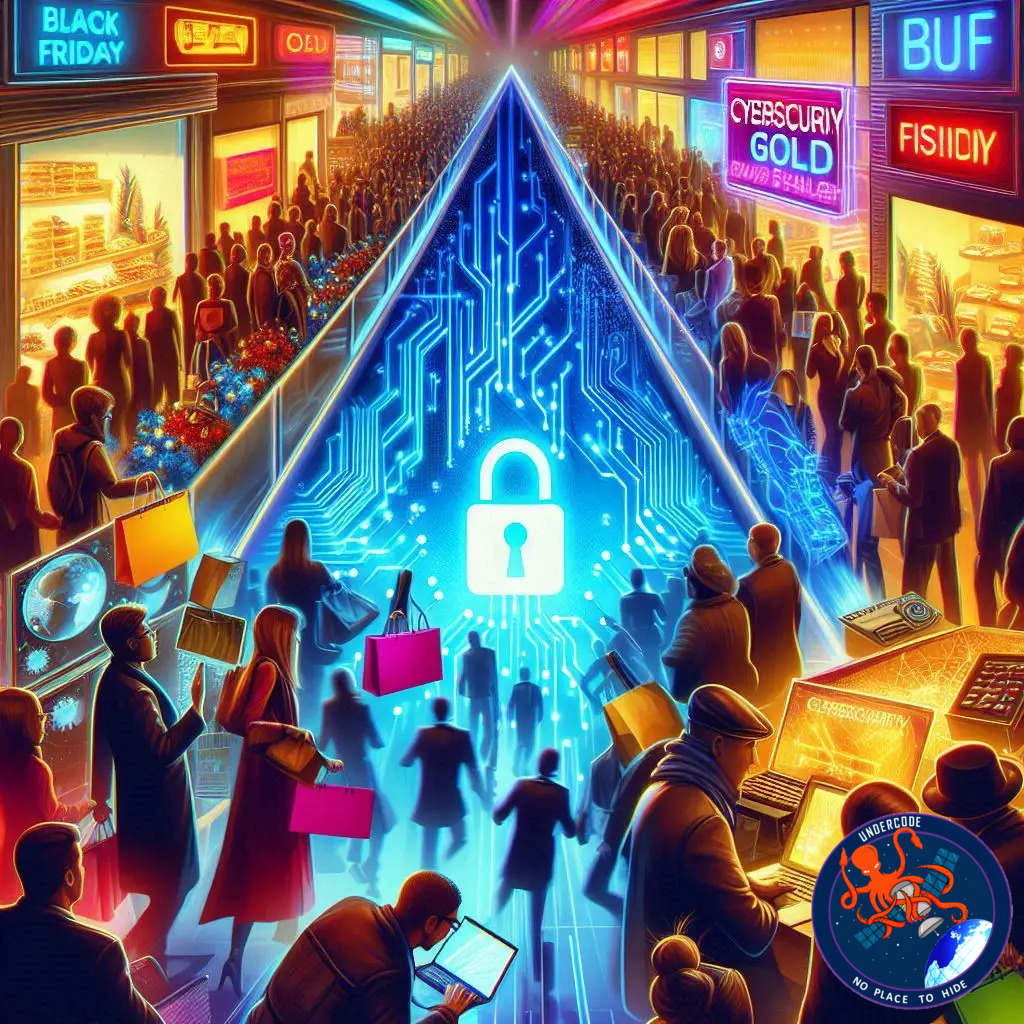
Every November, shoppers chase televisions, sneakers, and smartphones. Yet this year’s Black Friday carried a different kind of treasure—one that didn’t sit on shelves or ship in cardboard boxes. It lived in encryption keys, secure tunnels, and hardened endpoints. Massive markdowns swept across password managers, VPNs, antivirus suites, and cybersecurity courses, turning a retail holiday into one of the most important days of the year for anyone hoping to secure their digital life. The deals were loud. The consequences, quieter but far more meaningful.
Black Friday 2025 Deals That Redefined Digital Protection
The story began with a flurry of posts highlighting surprising discounts across the cybersecurity world. Password managers that normally cost users a yearly premium suddenly dropped to near-historic lows. Many were slashed by more than half, positioning them as essential buys for anyone juggling multiple accounts or concerned about credential stuffing attacks.
VPN giants like NordVPN and Surfshark rolled out aggressive offers, some pushing close to 88% off. These weren’t trial-level services or limited plans. They included full-stack features: encrypted browsing, secure servers, multi-hop routing, and next-generation protocols like WireGuard.
Antivirus companies also joined the surge. Malwarebytes, among others, dramatically cut prices for their premium tiers, offering real-time protection, behavior-based threat detection, and ransomware shields at levels usually reserved for enterprise licensing cycles—not Black Friday bargain bins.
Complementing these software tools were discounted cybersecurity courses. For many, these represented more than just digital learning. They signaled an opportunity: a way to skill up, career-pivot, protect families, or finally understand the threats that dominate modern online life.
Across social channels, the trend snowballed. The cybersecurity community shared deal lists. Influencers weighed in. Platforms discussed the sudden spotlight on digital safety. In a season typically dominated by consumer electronics, cybersecurity unexpectedly became the headline act.
What Undercode Say:
The surge of cybersecurity discounts this Black Friday wasn’t just commercial strategy—it was a reflection of the changing threat landscape. Attackers have become smarter, leveraging automation, generative adversarial techniques, and AI-driven reconnaissance to identify weaknesses faster than ever. In that environment, the average user’s biggest vulnerability isn’t outdated hardware—it’s a lack of software defenses and skills.
Password managers often stay overlooked, yet they carry the weight of digital identity. The massive discounts signal a push to increase adoption before the next wave of credential attacks sweeps the web. Companies are fully aware: the more users on encrypted vaults, the fewer credentials spill into breach forums.
VPN discounts tell another story. Service providers are racing to keep their user bases ahead of expanding surveillance, data harvesting, and ISP-level monitoring. As geopolitical tensions shape internet policies, demand for anonymous browsing has never been more critical. Offering near-90% reductions isn’t just generosity—it’s strategic expansion. More users mean larger networks, better obfuscation, and stronger collective anonymity.
Antivirus deals highlight a broader truth: signature-based protection is dead on its own. Modern AV suites integrate machine learning, behavior monitoring, and ransomware rollback features. Discounting these tools increases household-level adoption, turning vulnerable endpoints into hardened nodes. With remote work still part of the global fabric, securing home networks remains as important as corporate environments.
The push for discounted cybersecurity courses represents perhaps the most important shift of all. Platforms recognize the skills gap—millions of unfilled cybersecurity jobs, growing attack surfaces, and a public eager yet unprepared. Making learning affordable isn’t just goodwill. It’s a long-term investment in the future workforce, in upskilling regular citizens, and in reducing the attack success rate globally.
In essence, Black Friday 2025 exposed a truth: cybersecurity is no longer a niche need. It’s mainstream. And this year, the digital defense industry didn’t simply sell products—they lowered the barrier to safety.
Fact Checker Results
✅ Discounts on VPNs, password managers, and antivirus software during Black Friday were widely advertised.
✅ Reported deals of up to around 88% align with typical large-scale promotions by major providers.
❌ No evidence suggests these deals were limited to the USA alone.
Prediction
Black Friday 2026 will likely lean even harder into cybersecurity, with bundled “digital safety packs” becoming the next major retail trend 🔐. We can expect more AI-enhanced protection tools, expanded online privacy features, and more aggressive discount structures 🎯. As digital threats evolve, the market will transform Black Friday into an annual cybersecurity upgrade ritual.
🕵️📝✔️Let’s dive deep and fact‑check.
References:
Reported By: x.com
Extra Source Hub (Possible Sources for article):
https://www.reddit.com
Wikipedia
OpenAi & Undercode AI
Image Source:
Unsplash
Undercode AI DI v2
Bing
🔐JOIN OUR CYBER WORLD [ CVE News • HackMonitor • UndercodeNews ]
📢 Follow UndercodeNews & Stay Tuned:
𝕏 formerly Twitter 🐦 | @ Threads | 🔗 Linkedin | 🦋BlueSky | 🐘Mastodon


