
Listen to this Post
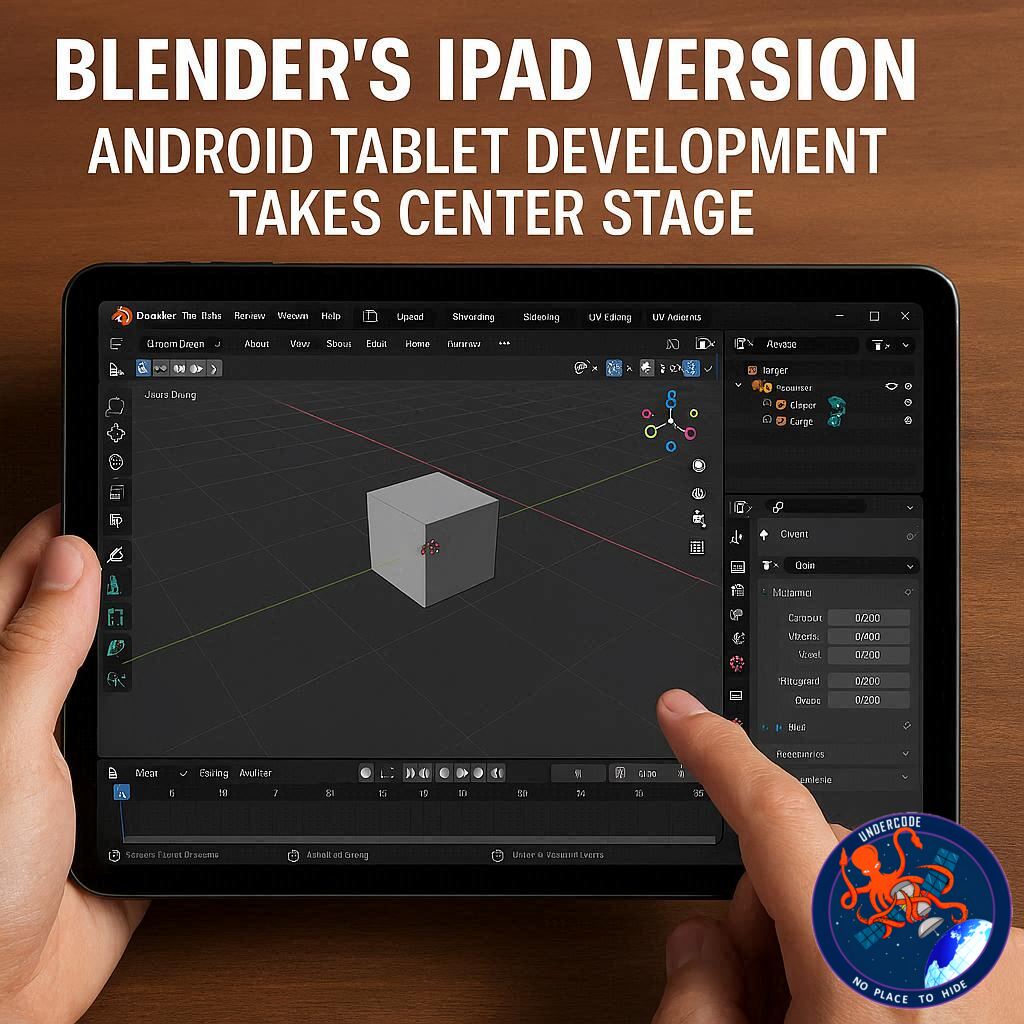
The world of 3D creation is evolving rapidly, and Blender, the open-source 3D software beloved by artists and developers, has been riding this wave. Last summer, the Blender team excitedly announced plans to bring full iPad Pro support, allowing artists to harness the power of Blender on a portable, touch-enabled device. This initiative promised to open new doors for creators seeking mobility without sacrificing functionality. However, seven months later, the project has hit a pause, as attention shifts toward Android tablets first.
Blender’s Tablet Ambitions
In July, the Blender team highlighted the growing importance of multi-touch devices. With tablets like the Apple iPad, Microsoft Surface, Huawei MatePad, and Wacom MovinkPad becoming increasingly powerful, these devices are no longer just secondary tools—they can now serve as primary computing platforms. The goal for Blender was clear: make 3D technology accessible on all major tablets, without compromising the full Blender experience.
The initial focus was on the iPad Pro with Apple Pencil, aiming to adapt Blender’s complex interface to a more task-oriented design. This involved reducing information density, improving workspaces, and extending existing input methods to better suit touch and stylus controls. The plan was to roll out the iPad version first, followed by Android and other graphic tablets.
Shift Toward Android
Recent updates, however, indicate a shift in priorities. YouTuber Brad Colbow highlighted that the Blender team has officially put the iPad project “on hold until further notice.” Instead, development is now focused on Android tablets. While the iPad version isn’t abandoned entirely—current iPad Pro hardware is more than capable of running Blender—the timeline has been pushed back. Users may have to wait longer for a polished tablet experience on iOS, while Android users get earlier access.
What Undercode Says:
Blender’s Strategic Decision
The move to prioritize Android tablets could be a strategic one. Android devices cover a wider range of hardware and price points compared to iPads, potentially expanding Blender’s user base significantly. By focusing development here first, Blender can reach more artists globally, including those who may not have access to high-end Apple devices.
Technical Advantages of Android Development
Android development can also provide flexibility. Unlike Apple’s tightly controlled ecosystem, Android allows more testing across different form factors and hardware configurations. This may help Blender optimize performance, responsiveness, and stylus integration before porting the refined experience back to iPad.
iPad’s Untapped Potential
The delay does not imply limitations with the iPad Pro. Modern iPads are capable of running full Blender workloads, and Apple Pencil integration remains a high-priority input method. Once the Android version is stable, iPad users can likely expect a highly polished version, possibly with interface improvements informed by Android testing.
Market Implications
Blender’s decision reflects a growing trend in software development: prioritizing platforms with larger, diverse user bases first. Android tablets are widely adopted in education, professional art, and hobbyist communities. By catering to these users, Blender strengthens its presence in markets where cost-sensitive consumers dominate.
User Experience Enhancements
Blender’s adaptation to touch interfaces and stylus input could redefine mobile 3D workflows. Simplified, task-focused interfaces with reduced clutter may make Blender accessible even to beginners, while retaining depth for advanced users. This aligns with Blender’s mission to democratize 3D creation.
Competitive Landscape
Other graphics applications like Autodesk SketchBook and Affinity Designer have successfully navigated tablet interfaces. Blender entering this space with full functionality could disrupt the market, offering a professional-grade alternative to iPad-only tools.
Developer Insight
The decision to pause the iPad version may also reduce resource strain. Blender is open-source and heavily relies on volunteer contributions and limited funding. Focusing on one platform at a time ensures development quality isn’t sacrificed.
Potential for Cross-Platform Growth
A strong Android version may pave the way for cross-platform consistency. Lessons learned from Android performance optimization, multi-touch gestures, and stylus support could inform subsequent releases on iPad, Surface, and Wacom devices, leading to a more unified Blender experience.
Community Engagement
Blender’s user community is highly active. Updates about development priorities help manage expectations, prevent speculation, and maintain trust. Transparent communication regarding platform focus ensures the community stays engaged, even if iPad users face delays.
Long-Term Vision
Ultimately, Blender’s strategy suggests a patient, methodical approach. By addressing Android first, developers can refine workflows, interface designs, and performance optimizations before tackling iPad, where user expectations for polish are extremely high.
Conclusion
Blender’s temporary pause on the iPad Pro version is a strategic pivot, not abandonment. Android users will see earlier access, while iPad fans can anticipate a highly refined version in the future. This approach balances accessibility, technical feasibility, and development efficiency, reinforcing Blender’s mission to make professional 3D tools widely available.
🔍 Fact Checker Results
Blender officially confirmed iPad development is “on hold,” with focus shifting to Android tablets ✅
No current technical limitation prevents Blender from running on iPad Pro ❌
The project remains active in planning, not abandoned entirely ✅
📊 Prediction
Blender’s Android-first approach may lead to a stable, widely adopted tablet version within the next 12–18 months. Following this, the iPad version could launch with advanced features informed by Android testing. This phased rollout may also inspire other 3D software developers to adopt a similar multi-platform strategy, prioritizing broader accessibility before platform-specific polish.
🕵️📝✔️Let’s dive deep and fact‑check.
References:
Reported By: 9to5mac.com
Extra Source Hub (Possible Sources for article):
https://www.quora.com
Wikipedia
OpenAi & Undercode AI
Image Source:
Unsplash
Undercode AI DI v2
Bing
🔐JOIN OUR CYBER WORLD [ CVE News • HackMonitor • UndercodeNews ]
📢 Follow UndercodeNews & Stay Tuned:
𝕏 formerly Twitter 🐦 | @ Threads | 🔗 Linkedin | 🦋BlueSky | 🐘Mastodon


