
Listen to this Post
Introduction
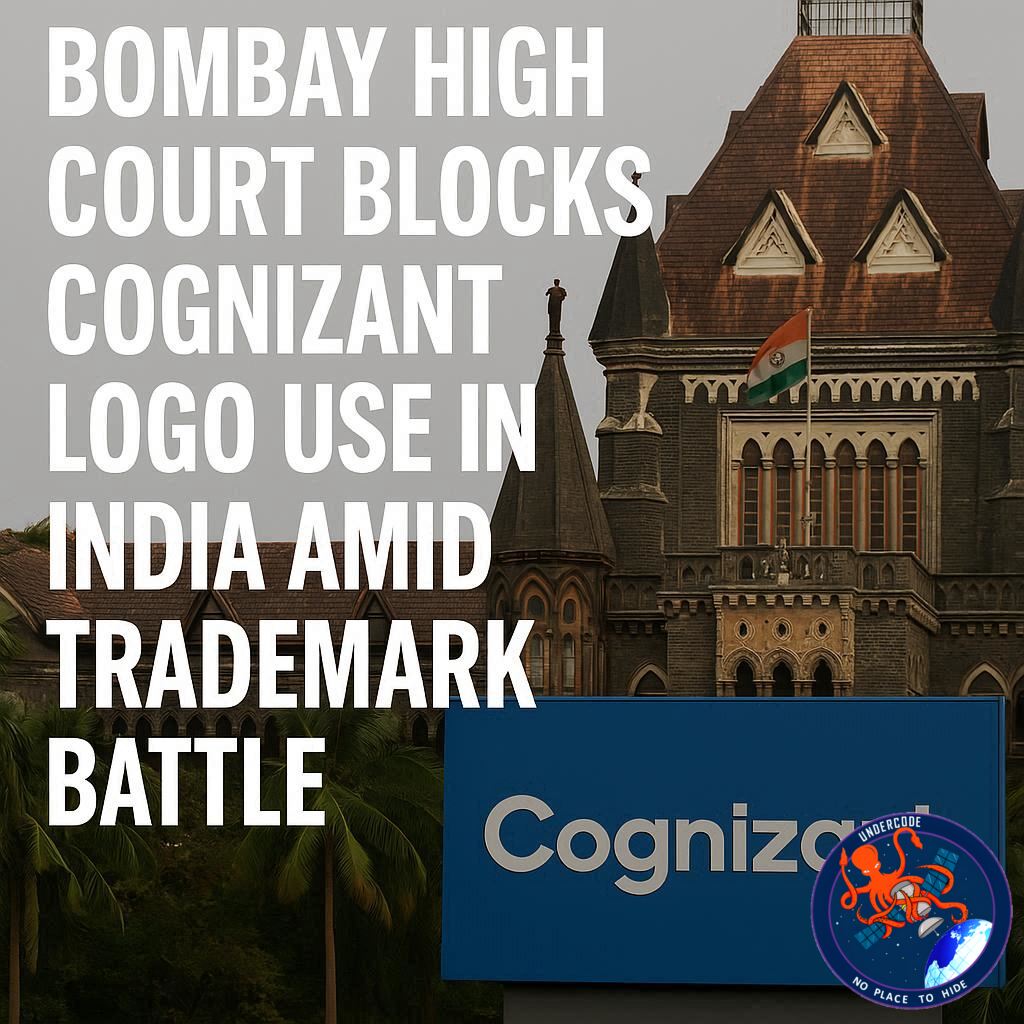
In a stunning legal twist for global IT giant Cognizant, the Bombay High Court has ordered the company to stop using its corporate logo across India. The ruling comes after a trademark infringement lawsuit filed by Bengaluru-based fintech firm Atyati Technologies, which accused Cognizant of copying its distinctive honeycomb-style design. This decision not only forces Cognizant to strip its brand identity across digital platforms but also reignites broader concerns about the company’s mounting legal troubles in India and abroad.
the Case
The Bombay High Court reinstated an earlier injunction, requiring Cognizant to immediately halt the use of its disputed hexagonal logo until the final resolution of the case. As a direct consequence, Cognizant has already removed its emblem from its Indian website and major social media platforms such as Facebook, LinkedIn, YouTube, and X (formerly Twitter). Instead, the company is currently using its name in plain text, signaling compliance with the court’s directive.
The dispute centers on a honeycomb-inspired hexagonal logo that Atyati Technologies claims it has used since 2019. According to the fintech firm, Cognizant adopted a strikingly similar design in 2022, creating confusion among consumers and infringing on their established trademark rights.
This latest judgment reverses a June 2024 temporary ruling that allowed Cognizant to continue using its logo, restoring the original March 2024 injunction in Atyati’s favor.
Despite complying, Cognizant has not backed down from its position. In a statement reported by The Economic Times, the company said it was reviewing legal options while strongly maintaining that its actions have been “lawful and appropriate.” Cognizant expressed confidence that the judicial process would eventually affirm its right to use the logo.
This setback adds to a growing list of legal challenges for the IT major. In September 2023, Cognizant was embroiled in a dispute with Wipro after hiring its former CFO, Jatin Dalal, who faced allegations of violating a non-compete clause. The case was settled, with Cognizant covering \$504,000 in damages and legal fees. Similarly, in December 2023, another tussle with Wipro emerged when former healthcare head Mohd Ehteshamul Haque joined Cognizant as CCO for the Americas. That matter was also settled, though details remained confidential.
Separately, Cognizant is battling Infosys in a high-profile case involving accusations of misusing software trade secrets to develop a competing healthcare platform. Infosys has even named Cognizant CEO Ravi Kumar in its filings. In May 2025, a Dallas court ordered both companies to resolve disagreements on information exchange before trial proceedings. Cognizant has firmly denied the allegations.
What Undercode Say:
The Bombay High Court’s ruling against Cognizant is more than a simple logo dispute—it reflects the growing weight of intellectual property enforcement in India’s rapidly evolving tech ecosystem. Trademarks are not just cosmetic assets; they embody corporate identity, market trust, and consumer loyalty. By ordering Cognizant to strip its branding, the court has not only given an advantage to Atyati Technologies but has also set a precedent that even multibillion-dollar giants cannot ignore the sanctity of smaller firms’ intellectual rights.
Cognizant’s compliance shows corporate prudence, but the real test will be in how this affects brand recall in one of its largest markets. For a tech giant that thrives on global reputation, removing a logo across digital platforms is not just embarrassing but strategically damaging. Branding consistency is critical in IT services, where trust and recognition drive client acquisition. By defaulting to plain text, Cognizant risks diluting its image in a competitive space.
Moreover, the case underscores an important shift: Indian courts are increasingly willing to hold large corporations accountable in trademark disputes. Atyati, a relatively smaller fintech player, has successfully challenged a Fortune 500 company in court—this in itself sends a message to startups that their intellectual property rights matter. It could embolden more companies to defend their creative assets, potentially leading to a surge in trademark litigation across India’s technology sector.
Cognizant’s repeated entanglements in legal disputes raise concerns about its corporate governance. From poaching allegations to IP battles, the company seems caught in a pattern of aggressive expansion strategies that invite litigation. While settlements have allowed it to move past employee-related disputes with Wipro, the Infosys case and now the Atyati trademark fight represent more systemic risks. Unlike employee non-compete disputes, trademark and trade secret issues directly threaten a company’s reputation and long-term brand stability.
From a market perspective, Cognizant’s troubles may fuel opportunities for competitors. Rival firms like Infosys, TCS, and Wipro can capitalize on any brand dilution or client hesitations arising from the ongoing court battles. At the same time, Cognizant’s insistence on defending its position reflects a larger trend: global tech companies are willing to fight tooth and nail to protect every aspect of their branding and operations, even at the risk of reputational setbacks.
What this means for Atyati is clear: the fintech player has gained visibility and credibility by standing up to a global powerhouse. Whether it ultimately wins the case or not, the firm has already positioned itself as a guardian of innovation and originality in the Indian startup landscape.
🔍 Fact Checker Results
✅ The Bombay High Court has indeed ordered Cognizant to stop using its disputed logo in India.
✅ Cognizant has removed the logo from its website and social media, replacing it with plain text.
❌ No final verdict has been given; the case is still ongoing, and Cognizant may appeal further.
📊 Prediction
Cognizant’s brand visibility in India is likely to suffer in the short term, especially as competitors highlight the dispute to their advantage. If the courts ultimately side with Atyati, Cognizant may be forced into a full-scale rebranding effort in India—an expensive and disruptive process. However, if Cognizant successfully appeals, it could regain its branding rights but at the cost of reputational damage already inflicted. This case also signals a new era in India where intellectual property battles will become more aggressive, with startups increasingly unafraid to take on tech titans.
🕵️📝✔️Let’s dive deep and fact‑check.
References:
Reported By: timesofindia.indiatimes.com
Extra Source Hub:
https://www.facebook.com
Wikipedia
OpenAi & Undercode AI
Image Source:
Unsplash
Undercode AI DI v2
🔐JOIN OUR CYBER WORLD [ CVE News • HackMonitor • UndercodeNews ]
📢 Follow UndercodeNews & Stay Tuned:
𝕏 formerly Twitter 🐦 | @ Threads | 🔗 Linkedin | 🦋BlueSky | 🐘Mastodon


