
Listen to this Post
A New Chapter in Japanese Youth Employment
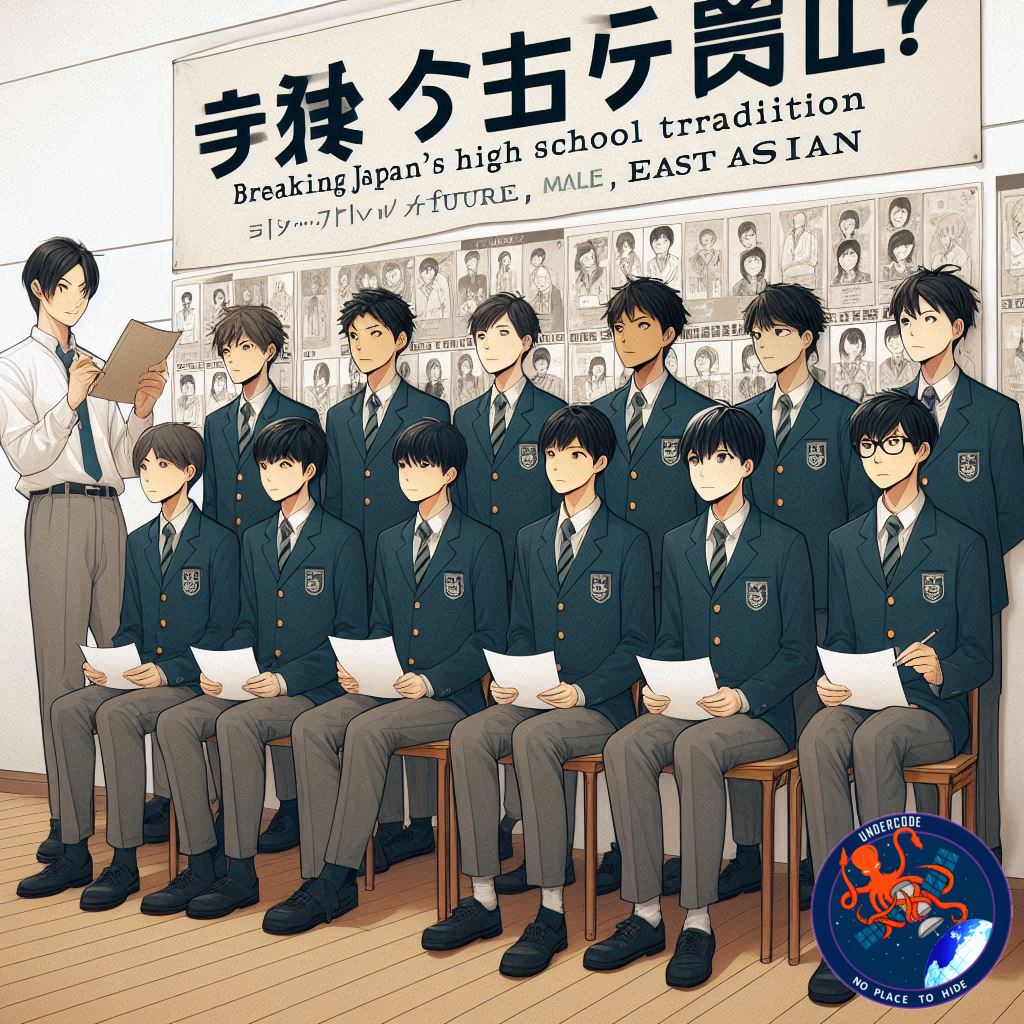
In Japan, the traditional path from high school to employment has long been dictated by a rigid custom: “one student, one company”—and it’s not the student who decides which company, but the school. That decades-old framework is now being challenged by a fresh, tech-powered approach from a 22-year-old entrepreneur in Hamamatsu. His platform, Mirai Job, aims to hand back agency to the students, offering transparency, freedom of choice, and a modern job-seeking experience.
This movement signals more than a digital disruption—it’s a cultural shift, one that could redefine the way Japanese youth enter the workforce and how small-to-midsize enterprises (SMEs) attract talent. At its heart is a startup called Kōsotsu Saiyō Bank (High School Graduate Hiring Bank), founded by Hayato Endo, who developed the idea while still a student. His platform empowers students to evaluate multiple employers independently, just like university graduates do.
the Original
In Japan, high school graduates face a highly structured and school-controlled job placement process known as “1 student, 1 company.” Under this system, schools decide on behalf of students which company they will apply to, often leaving students with little to no choice in their career path. Challenging this long-standing norm is Kōsotsu Saiyō Bank, a startup based in Hamamatsu and founded by 22-year-old Hayato Endo.
Endo created a job-hunting platform named Mirai Job, which allows high school students to independently search for, compare, and apply to companies. This tool is designed to provide transparency and self-direction in the job-seeking process. Artificial Intelligence (AI) reads and analyzes job postings submitted by companies, extracting and organizing key information such as job roles, salaries, and company overviews. This innovation supports both students and the companies hiring them—especially small and medium-sized businesses that struggle to attract fresh talent.
By integrating AI, the platform makes the employment process more accessible and less bureaucratic. It also supports career counselors at schools, who traditionally serve as intermediaries between students and employers. The initiative is seen as part of a broader movement to modernize employment practices in Japan, particularly in the context of declining birthrates and labor shortages.
What Undercode Say:
Japan’s high school employment system has long been at odds with modern career autonomy. The “1 student, 1 company” system functioned well in the 20th century, particularly when employment was guaranteed and loyalty to a company was lifelong. But in today’s rapidly changing work environment—fueled by globalization, digital transformation, and labor market uncertainty—this rigid model is out of sync with the needs of both students and employers.
Mirai Job represents more than a job board; it’s a philosophical pivot toward empowerment. Giving 17- and 18-year-olds the freedom to explore opportunities doesn’t just align with global standards—it builds critical thinking, self-evaluation, and long-term career awareness. Moreover, the use of AI to deconstruct job postings is a smart response to the overwhelming complexity many young people face when trying to understand industry terminology and vague HR language.
From a business standpoint, small and medium-sized enterprises in Japan often face immense difficulty competing with brand-name corporations in attracting talent. By showcasing job opportunities more transparently and giving SMEs a direct line to students, Mirai Job becomes a crucial bridge—one that could help address the country’s looming demographic crisis.
But resistance will come. Many schools still prefer the traditional process because it reduces administrative headaches and maintains relationships with local employers. Change, especially in Japan’s conservative educational culture, tends to be slow. However, with labor shortages escalating and students demanding more agency, platforms like Mirai Job might not only gain traction—they may eventually redefine how the nation approaches youth employment.
Additionally, the founder’s age—just 22—serves as a powerful symbol. It reflects a generational response to outdated practices, and his proximity in age to the target users makes him an ideal figure to lead this transformation. Endo isn’t just building software; he’s reimagining an institutional structure from the outside in.
🔍 Fact Checker Results:
✅ The “1 student, 1 company” practice is widely acknowledged as a standard in Japanese high school hiring.
✅ Mirai Job is a real platform developed to support high school students in career selection.
✅ AI parsing of job data for easier comprehension is a feature actively integrated into the platform.
📊 Prediction:
Given
References:
Reported By: xtechnikkeicom_7ac76501d46dc895da24abc6
Extra Source Hub:
https://www.reddit.com
Wikipedia
OpenAi & Undercode AI
Image Source:
Unsplash
Undercode AI DI v2


