
Listen to this Post
 Introduction: A New Look at Infant Sleep and Early Nutrition
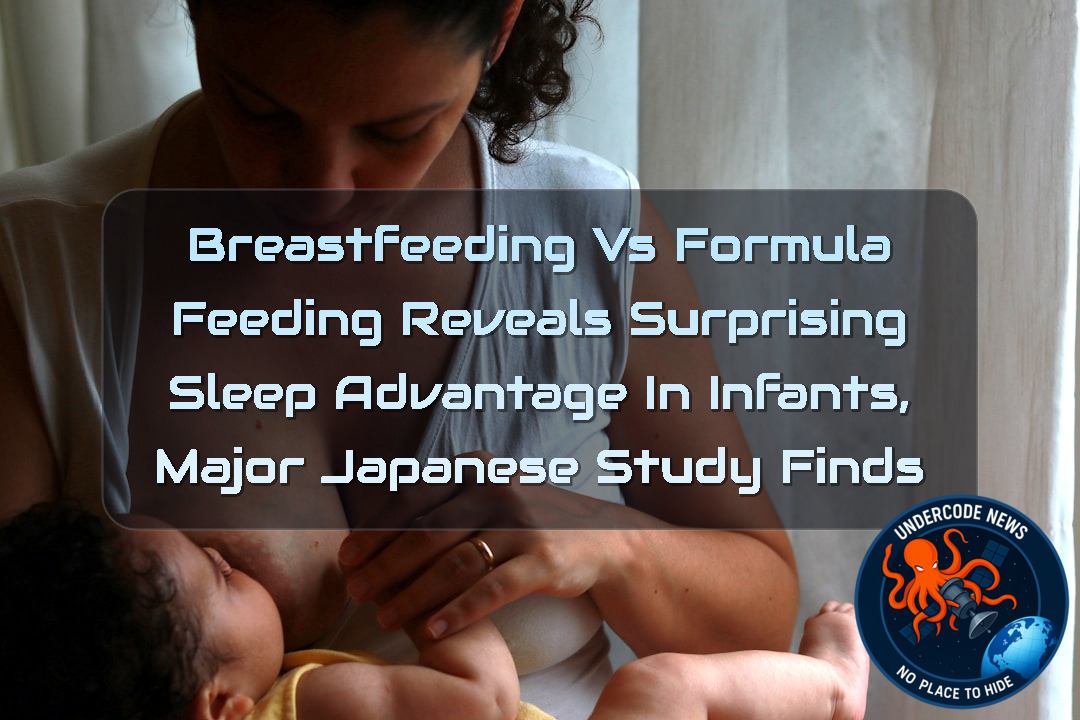
A large-scale Japanese study has reshaped long-standing beliefs about how feeding methods influence infant sleep. For years, many parents and caregivers have assumed that formula-fed babies sleep longer and more deeply due to its heavier composition. However, new evidence drawn from over 82,000 mother–infant pairs suggests the opposite may be true. Infants who received breast milk, either exclusively or partially, consistently showed better sleep duration at one year of age compared to those fed only formula. The findings also highlight how biological factors in breast milk may actively support the development of healthier sleep cycles.
Large-Scale Research Across Japan Reveals Consistent Sleep Patterns
Researchers analysed data from the Japan Environment and Children’s Study, one of the largest birth cohort studies ever conducted. The dataset included 82,918 mother–infant pairs, making the findings statistically robust and highly representative. At six months, mothers reported feeding methods through structured questionnaires, and at one year, sleep duration data was collected. The researchers used the National Sleep Foundation benchmark, defining short sleep as less than 11 hours per day.
Breastfed Infants Show Lower Risk of Short Sleep Duration
The results revealed a clear pattern. Infants who were exclusively formula-fed had the highest likelihood of short sleep duration at 12.2 percent. Those breastfed for less than six months showed a reduction to 10.2 percent. Babies who received mixed feeding dropped further to 9.7 percent. The lowest risk was found in exclusively breastfed infants, at just 8.8 percent. After adjusting for environmental and maternal variables, exclusively breastfed infants were found to be 23 percent less likely to experience short sleep compared to formula-fed peers.
Biological Mechanisms Behind Better Sleep in Breastfed Babies
Scientists proposed several biological explanations for the observed differences. Breast milk is not a static substance; it dynamically adapts to an infant’s needs over time. One key factor is melatonin, a sleep-regulating hormone that appears in breast milk during nighttime feeding. Since newborns produce limited melatonin, this external supply may help regulate early circadian rhythms. Additionally, breast milk contains tryptophan, a precursor used by the body to produce melatonin, further supporting sleep cycle formation.
The Gut–Brain Connection and Infant Sleep Development
Another important explanation involves the gut microbiome. Breastfeeding plays a crucial role in shaping a healthy gut bacterial environment, which is increasingly linked to brain development and sleep regulation through the gut–brain axis. Differences in microbial composition between breastfed and formula-fed infants may influence neurological pathways associated with rest, relaxation, and sleep stability. This emerging field suggests sleep is not only behavioral but deeply biological and microbiological in origin.
Challenging Long-Held Misconceptions About Infant Sleep
For years, a widespread belief has persisted that formula-fed infants sleep better because they digest milk more slowly. However, lead researcher Yuri Nakagawa from the University of Toyama stated that this assumption lacks strong scientific backing. The study directly challenges this misconception by showing consistent sleep benefits associated with breast milk. Researchers emphasized that breastfeeding should not be discouraged due to sleep concerns, reinforcing global health recommendations.
Global Health Guidance and Developmental Importance of Sleep
The World Health Organization continues to recommend exclusive breastfeeding for the first six months of life, citing immune protection, nutritional balance, and long-term developmental benefits. Sleep during infancy also plays a critical role in cognitive growth, emotional regulation, and metabolic health. Poor sleep at this stage has been linked to obesity, behavioural difficulties, and reduced cognitive performance later in life, making early sleep quality a major developmental factor.
Broader Implications for Parents and Health Policy
These findings may influence how healthcare providers counsel new parents about feeding choices. Instead of reinforcing outdated assumptions about formula improving sleep, the evidence suggests breastfeeding may offer additional developmental advantages beyond nutrition. Policymakers and pediatric health systems may also use such data to strengthen breastfeeding support programs, especially in early infancy stages where sleep development is most sensitive.
What Undercode Say:
Breastfeeding influences infant sleep through biological regulation
Large dataset strengthens reliability of conclusions
Over 82,000 participants reduce statistical bias risk
Breast milk contains adaptive nutritional and hormonal properties
Melatonin transfer may regulate early circadian rhythms
Formula milk remains compositionally static across time
Gut microbiome differences influence neurological sleep pathways
Sleep development is linked to brain–gut communication systems
Exclusive breastfeeding shows highest sleep benefit ratio
Mixed feeding still provides measurable sleep advantage
Environmental factors were adjusted in final analysis
Results remain consistent after statistical correction
Sleep duration differences are small but meaningful
Early sleep quality impacts long-term cognitive health
Infant circadian rhythm is externally influenced pre-maturation
Maternal reporting introduces minor observational limitations
Questionnaire-based data may carry reporting bias risk
Findings align with WHO breastfeeding recommendations
Sleep is both biological and environmental in origin
Hormonal transfer via breast milk is scientifically significant
Tryptophan contributes indirectly to melatonin synthesis
Night-time breast milk composition changes dynamically
Formula feeding lacks adaptive hormonal variation
Infant gut bacteria shape neurological development
Sleep disruption risk increases with formula-only feeding
Developmental sleep patterns form within first year
Breastfeeding supports multi-system infant development
Data supports shift in parental education strategies
Public misconception about formula sleep advantage is challenged
Infant nutrition affects neurological sleep regulation
Breastfeeding benefits extend beyond immunity
Sleep duration threshold defined as under 11 hours
Japan study provides large-scale epidemiological insight
Feeding method is a modifiable early-life factor
Biological sleep regulation begins before self-produced hormones
Research strengthens preventive pediatric health approaches
Infant sleep outcomes may reflect early microbial exposure
Study reinforces importance of early nutritional decisions
Sleep architecture development is nutrition-sensitive
Early intervention can influence long-term health outcomes
✅ Large-scale cohort study strengthens credibility with over 82,000 participants
❌ Observational design cannot fully prove direct causation between feeding and sleep outcomes
⚠️ Sleep data based on parental questionnaires may include subjective reporting bias
Prediction
(+1) Breastfeeding support policies may increase as more sleep-related benefits are confirmed in future studies
(+1) Pediatric research will likely expand into gut–brain–sleep interactions in infancy
(-1) Misinterpretation of results may continue if parents assume formula is inherently inferior for all sleep-related outcomes
Deep Analysis
Linux:
cat japan_infant_sleep_study_data.csv
grep "breastfeeding" infant_sleep_dataset.log
awk '{print $3, $5}' sleep_duration_data.txt
sort -k2 -n sleep_analysis_results.txt
uniq -c feeding_groups.txt
wc -l mother_infant_pairs.csv
head -n 50 microbiome_sleep_correlation.csv
tail -f pediatric_sleep_monitor.log
zcat large_cohort_study.gz | less
find /data -name "sleep"
ps aux | grep research_analysis
df -h /infant_study_dataset
chmod 644 sleep_results.csv
tar -xvf japan_study_data.tar
journalctl -u sleep-research.service
Windows:
type sleep_study_results.txt
findstr breast milk dataset.log
dir infant_research_data
tasklist | find analysis
powershell Get-Content sleep_data.csv
Mac:
ls -lh infant_study/
grep -i "melatonin" sleep_research.txt
cat breastfeeding_analysis.csv
top | grep research
open infant_sleep_report.pdf
▶️ Related Video (80% Match):
🕵️📝Let’s dive deep and fact‑check.
🎓 Live Courses & Certifications:
Join Undercode Academy for Verified Certifications
🚀 Request a Custom Project:
Secure, high-velocity infrastructure and disruptive technological engineering. Contact our engineering team for high-tier development and proprietary systems:
[email protected]
💎 Smart Architecture | 🛡️ Secure by Design | ⭐ Trusted by Thousands
References:
Reported By: www.euronews.com
Extra Source Hub (Possible Sources for article):
https://www.quora.com/topic/Technology
Wikipedia
OpenAi & Undercode AI
Image Source:
Unsplash
Undercode AI DI v2
🔐JOIN OUR CYBER WORLD [ CVE News • HackMonitor • UndercodeNews ]
📢 Follow UndercodeNews & Stay Tuned:
𝕏 formerly Twitter 🐦 | @ Threads | 🔗 Linkedin | 🦋BlueSky | 🐘Mastodon | 📺Youtube


