
Listen to this Post
Introduction
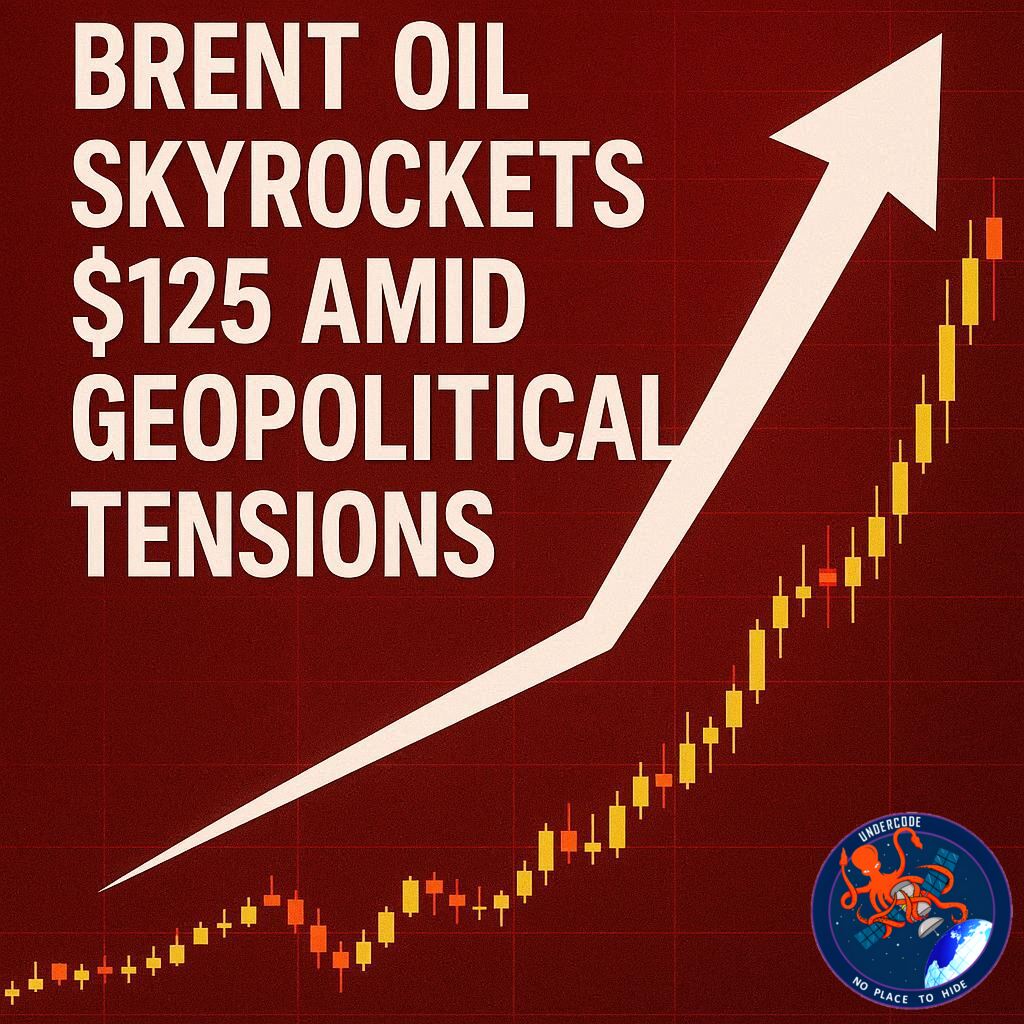
Global oil markets are witnessing an unprecedented surge as Brent crude prices surpassed $125 per barrel, a level not seen since wartime highs. This dramatic increase comes amid escalating geopolitical tensions, with President Donald Trump reportedly considering an extended blockade of Iranian ports. The move has sent shockwaves through energy markets, raising concerns about supply disruptions and potential ripple effects across the global economy.
Recent Developments
Brent crude, the global benchmark for oil pricing, jumped above $125 per barrel early Thursday, reflecting mounting fears over a potential tightening of global oil supplies. Market analysts attribute the surge to President Trump’s contemplation of an extended blockade of Iran’s ports, which could significantly restrict the country’s oil exports. Such a move would intensify existing geopolitical tensions in the Middle East, particularly in a region already prone to instability.
Investors and traders reacted swiftly to the news, driving oil futures to record levels. The surge highlights the fragile balance between supply and demand, especially as global economies recover from pandemic-related disruptions. Iran remains a critical player in global energy markets, and any interruption in its oil exports is expected to trigger immediate price volatility.
Energy sector stocks also felt the impact, with major oil companies seeing gains as the market anticipates higher revenues from rising crude prices. Conversely, industries dependent on oil imports, such as transportation and manufacturing, may face increased costs, potentially fueling inflationary pressures globally.
Market experts warn that sustained high oil prices could accelerate shifts toward alternative energy sources and renewable investments, as businesses seek to mitigate exposure to volatile fossil fuel markets. Moreover, countries heavily reliant on imported oil might be forced to reevaluate their energy strategies, balancing geopolitical risks with economic growth objectives.
The surge above $125 per barrel marks a historic point for Brent crude, echoing volatility seen during past conflicts in the Middle East. Analysts emphasize that geopolitical events, such as port blockades, can quickly transform market sentiment, driving price movements far beyond fundamental supply-demand factors.
What Undercode Says:
Geopolitical Influence on Oil Prices
Geopolitical tensions remain the dominant factor behind Brent crude’s historic surge. Potential U.S. actions against Iranian ports could reduce exports drastically, creating an artificial supply shortage. Historically, similar events have caused sharp short-term price spikes, but sustained effects depend on broader global supply responses.
Market Sensitivity and Investor Behavior
Investors have demonstrated heightened sensitivity to news from the Middle East. This surge underscores the psychological dimension of oil markets, where perceived risk can amplify price swings independently of actual supply changes. Trading activity in oil futures reflects this real-time response to geopolitical signals.
Economic Ripple Effects
Rising oil prices could ripple through the global economy. Countries heavily dependent on oil imports may face higher inflation, potentially slowing economic growth. Consumer goods, transportation, and manufacturing sectors could see increased operating costs, influencing corporate profitability and investment decisions.
Energy Sector Winners and Losers
Oil producers and energy sector investors may benefit from elevated prices, while consumers and import-reliant nations bear the brunt. This imbalance could accelerate structural changes in energy consumption, pushing governments and corporations toward renewables and energy efficiency initiatives.
Strategic Implications for Iran and Global Policy
Any blockade of Iranian ports would likely trigger diplomatic negotiations and could exacerbate regional instability. Countries invested in Middle Eastern oil may pursue strategic stockpiling or diversify import sources to mitigate disruption risks.
Long-Term Price Volatility
While short-term price spikes are predictable, sustained elevated levels depend on broader market responses, including OPEC production adjustments and alternative supply channels. History suggests that prolonged geopolitical conflicts can embed volatility into energy markets for months or even years.
Technological and Renewable Investment Push
High oil prices historically accelerate investments in alternative energy technologies. Businesses may adopt electric vehicles, energy-efficient processes, and renewable energy projects to reduce dependency on volatile oil markets.
Global Inflationary Pressures
Sustained Brent price hikes could contribute to global inflation, particularly in emerging markets heavily dependent on imported energy. Monetary policymakers may face increased pressure to balance inflation control with growth objectives.
Corporate Risk Management Strategies
Companies may implement hedging strategies to shield against oil price volatility. These financial instruments can stabilize operational costs but may also reduce flexibility in responding to future market movements.
Supply Chain and Logistics Impacts
Oil price surges directly affect transportation and shipping costs. Industries with complex supply chains may face cost adjustments, influencing
🕵️📝Let’s dive deep and fact‑check.
References:
Reported By: edition.cnn.com
Extra Source Hub (Possible Sources for article):
https://www.twitter.com
Wikipedia
OpenAi & Undercode AI
Image Source:
Unsplash
Undercode AI DI v2
Bing
🔐JOIN OUR CYBER WORLD [ CVE News • HackMonitor • UndercodeNews ]
📢 Follow UndercodeNews & Stay Tuned:
𝕏 formerly Twitter 🐦 | @ Threads | 🔗 Linkedin | 🦋BlueSky | 🐘Mastodon


