
Listen to this Post
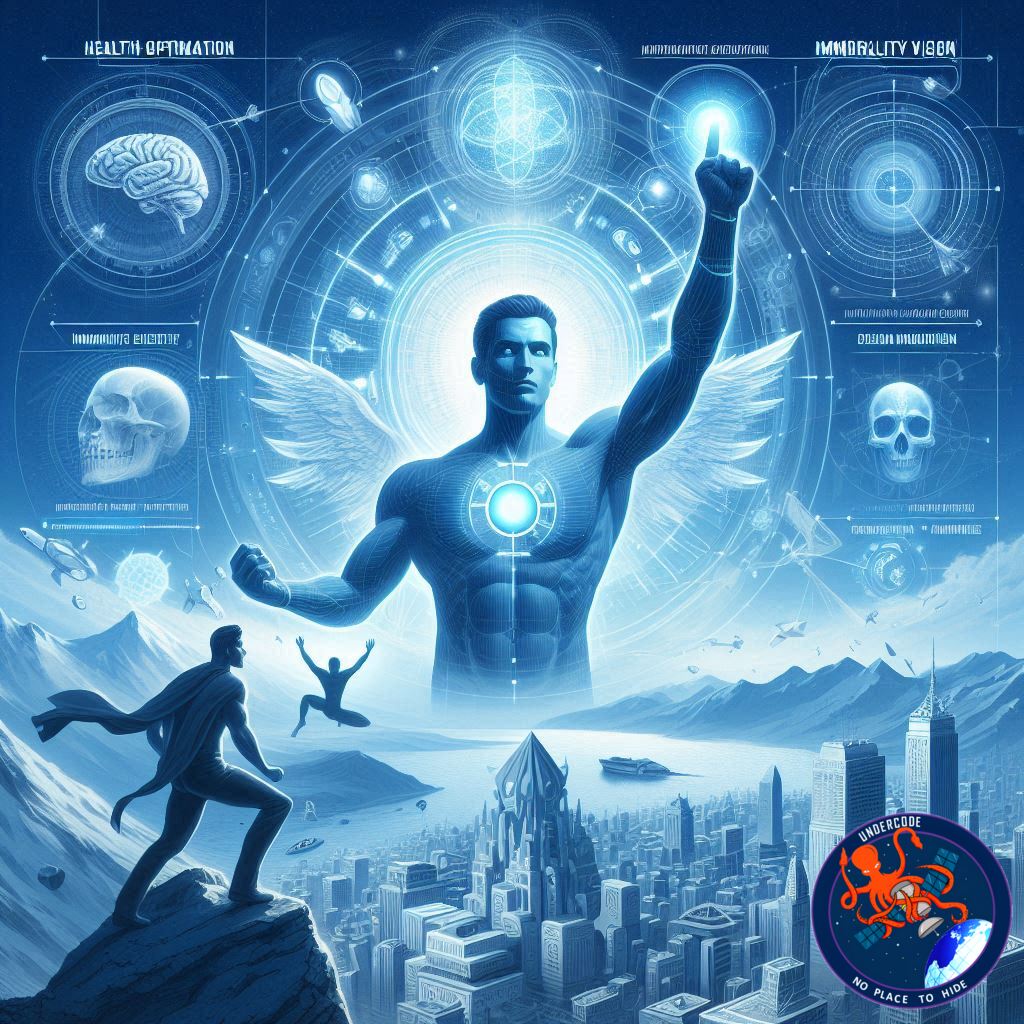
Introduction: A Tech Visionary Turning Longevity Into Daily Discipline
In the crowded world of wellness advice, few figures generate as much fascination and controversy as Bryan Johnson. A technology entrepreneur turned anti-aging influencer, Johnson is no longer content with incremental health improvements. His mission is radical control over the human body, powered by science, data, and discipline. As the calendar moves toward a new year, Johnson has distilled his philosophy into a deceptively simple framework: ten daily habits that he claims can transform physical health, mental clarity, and personal agency when practiced without compromise. At the same time, he is pushing an even bolder narrative, that biological immortality is not science fiction, but a realistic target by 2039, driven largely by artificial intelligence.
The Core Message Behind Bryan Johnson’s Health Habits
Bryan Johnson recently shared a concise but highly structured list of ten habits on social media, framing them as essential behaviors for anyone serious about reclaiming control over their health. According to Johnson, these habits may appear basic on the surface, but their power lies in consistency rather than novelty. He describes them as non-negotiable actions that should be performed every single day, arguing that within two weeks, most people will begin to notice measurable improvements in sleep quality, energy levels, and emotional stability.
The habits revolve around sleep hygiene, light exposure, movement, nutrition, and social connection. Johnson emphasizes ending food intake at least four hours before bedtime, shutting off screens thirty minutes before sleep, and avoiding blue light for two hours before bed by using red or amber lighting instead. He advocates reading a physical book shortly before sleep and maintaining the same bedtime every night to reinforce circadian rhythms.
Morning routines also play a critical role. Johnson highlights the importance of exposing the eyes to bright light immediately after waking, either through sunlight or a high-lux artificial source, to reset the body clock. He pairs this with movement throughout the day, including walking for ten minutes after meals and committing to daily exercise, even if limited to twenty minutes.
Nutrition is addressed through a simple directive: consume nutrient-dense foods and eliminate junk. Finally, Johnson places emotional health alongside physical metrics, urging people to actively foster relationships with friends, family, and loved ones. His central argument is that once these habits are established, maintaining them becomes effortless, while the cumulative benefits continue to compound over time.
Bryan Johnson’s Claim of Stopping Biological Aging
Beyond lifestyle habits, Johnson has reignited global debate by declaring that biological immortality could be achieved by 2039. In a detailed post, he explained that despite the passage of another year, his biological age has not increased, a claim he presents as evidence that aging can be slowed or halted through precise intervention. This assertion is tied directly to his Blueprint program, which relies on intensive biometric tracking, personalized supplementation, and strict behavioral protocols.
Johnson argues that humanity has entered a unique moment in history where artificial intelligence is transitioning from a supportive tool into an autonomous scientific force. According to his vision, AI can rapidly analyze biological data, design experiments, and test therapies at a pace no human research team could match. He describes AI-powered biomarker measurement as a closed-loop system, constantly refining longevity interventions based on real-time feedback.
One of the more controversial elements of his strategy involves organ cloning. Johnson claims to be growing thousands of samples of his own organs in laboratory dishes, allowing potential drugs and treatments to be tested safely without direct risk to his body. In his view, this approach, combined with AI-driven discovery, compresses decades of research into years, making the once mythical idea of immortality a concrete engineering problem with a deadline.
What Undercode Say: Discipline as the Hidden Technology of Longevity
The most striking aspect of Bryan Johnson’s message is not the promise of immortality, but the discipline embedded in his daily framework. While artificial intelligence and organ cloning dominate headlines, the foundation of his philosophy rests on behaviors that predate modern technology. Sleep timing, light exposure, movement after meals, and social bonds are not experimental breakthroughs. They are biological truths supported by decades of research, often ignored because they lack novelty.
Johnson’s brilliance lies in reframing these fundamentals as a form of personal sovereignty. By calling them non-negotiable, he removes the psychological loopholes that sabotage consistency. This mirrors how elite athletes and high-performance operators approach training, where discipline is not a matter of motivation but of identity. From that perspective, his ten habits function less as wellness tips and more as a behavioral operating system.
However, the leap from optimized health to biological immortality is where skepticism becomes necessary. Claims of halted biological aging depend heavily on how aging is measured. Biomarkers can improve, but aging is a multifaceted process involving genetic instability, cellular senescence, immune decline, and accumulated damage over time. Freezing one set of indicators does not equate to escaping mortality.
Artificial intelligence will undoubtedly accelerate drug discovery and personalized medicine. Yet AI does not remove biological trade-offs, ethical constraints, or the complexity of living systems. Growing organ samples for testing is a promising research tool, but translating lab success into whole-body rejuvenation remains an unsolved challenge.
Still, Johnson’s influence should not be dismissed. His approach demonstrates how future health models may blend extreme data tracking with old-school lifestyle discipline. Even if immortality by 2039 proves unrealistic, the broader impact could be a cultural shift where aging is treated as a modifiable process rather than an unavoidable decline. In that sense, Bryan Johnson may be less important as a prophet of immortality and more significant as a catalyst forcing society to rethink how much control individuals truly have over their biological destiny.
Fact Checker Results
Johnson did publicly share the ten habit framework and described them as life-changing with consistent practice. ✅
Claims of halted biological aging are based on selective biomarkers rather than universally accepted aging standards. ❌
Artificial intelligence is already accelerating biotech research, but immortality by 2039 remains speculative. ❌
Prediction
📊 If AI-driven longevity research continues to advance, lifestyle discipline combined with personalized medicine will become mainstream within the next decade.
📊 Bryan Johnson’s methods will influence future health optimization trends, even if immortality timelines shift.
📊 The concept of aging as a controllable variable will gain wider acceptance, reshaping preventive healthcare models.
▶️ Related Video (86% Match):
🕵️📝✔️Let’s dive deep and fact‑check.
References:
Reported By: timesofindia.indiatimes.com
Extra Source Hub (Possible Sources for article):
https://www.quora.com/topic/Technology
Wikipedia
OpenAi & Undercode AI
Image Source:
Unsplash
Undercode AI DI v2
Bing
🔐JOIN OUR CYBER WORLD [ CVE News • HackMonitor • UndercodeNews ]
📢 Follow UndercodeNews & Stay Tuned:
𝕏 formerly Twitter 🐦 | @ Threads | 🔗 Linkedin | 🦋BlueSky | 🐘Mastodon


