
Listen to this Post
 Introduction: AI Video Innovation Collides With Hollywood’s Intellectual Property Power
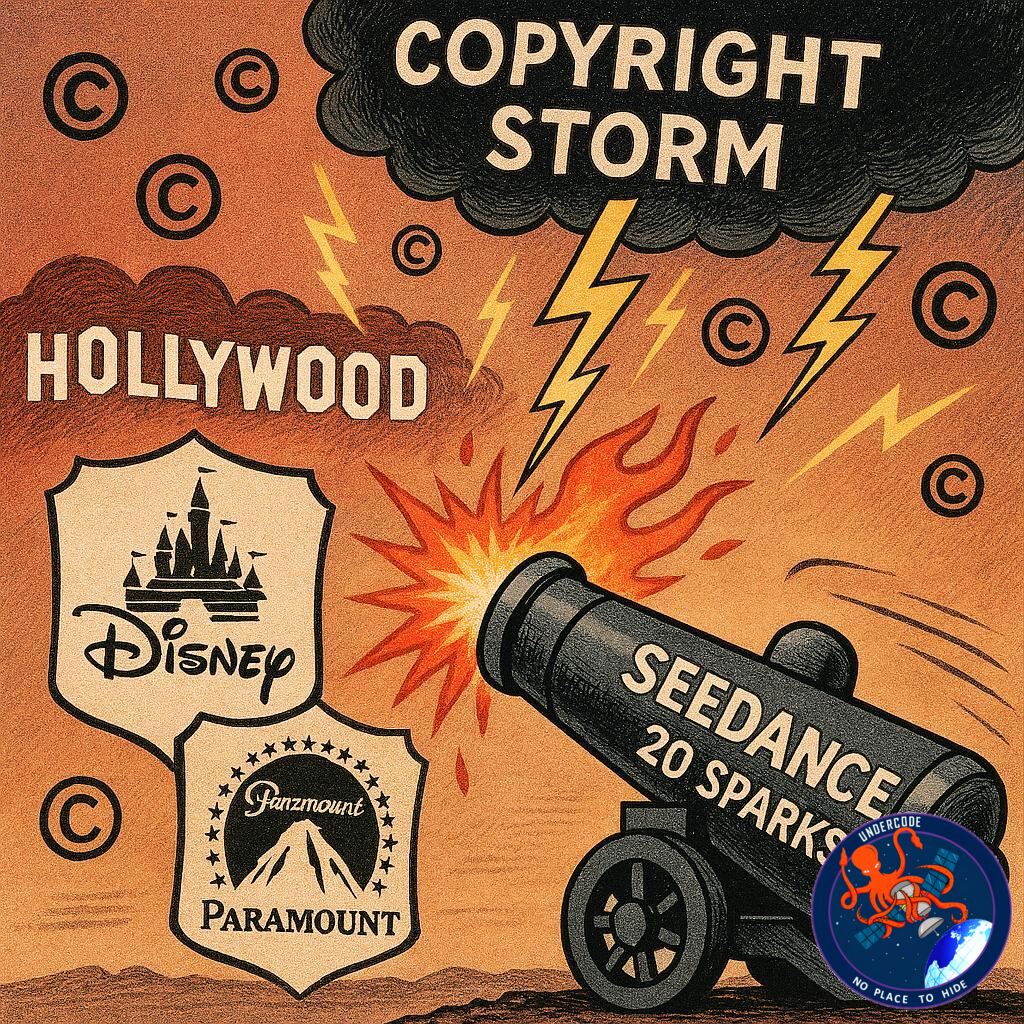
The race to dominate generative AI has entered a new and volatile phase. At the center of the latest clash stands ByteDance, the Chinese technology powerhouse behind TikTok, and one of the most influential entertainment companies in the world, Disney. What began as excitement over a cutting-edge AI video generator has rapidly evolved into a legal confrontation involving some of the most valuable fictional characters ever created. As Seedance 2.0 went viral for its cinematic realism, it also triggered alarm bells inside Hollywood studios determined to defend their intellectual property at all costs.
ByteDance Responds to Disney’s Cease-and-Desist Letter
ByteDance has formally responded to a cease-and-desist letter sent by Disney, which accused the company of training its artificial intelligence systems on what it described as a “pirated library” of copyrighted material. The accusation implies that Seedance 2.0 may have learned from protected works without proper authorization, a claim that sits at the heart of the growing legal friction between AI developers and content creators.
In its response, ByteDance stated that it is actively working to strengthen safety measures within its new AI video generator. The company pledged to implement stricter safeguards designed to prevent users from producing unauthorized videos featuring well-known movie characters and celebrities. According to statements reported by Reuters, ByteDance emphasized that it is taking firm steps to prevent the misuse of intellectual property and personal likenesses through its platform.
Seedance 2.0 Goes Viral With Cinematic AI Clips
The controversy centers on Seedance 2.0, a newly released AI video generation model that quickly gained massive popularity in China. The tool stunned users with its ability to create high-quality, cinematic-style clips that closely resembled professional film production. Social media feeds were soon flooded with AI-generated scenes featuring superheroes, dramatic confrontations, and fictional crossovers that never existed in official film franchises.
Among the viral creations were clips featuring characters associated with Disney’s Marvel universe and the Star Wars franchise, including Spider-Man and Darth Vader. Users also generated simulated fight sequences between Hollywood stars such as Tom Cruise and Brad Pitt, blurring the line between fan fiction and potential intellectual property violations. What appeared to many users as harmless entertainment was viewed by studios as a serious legal threat.
Disney’s Core Complaint Over Copyrighted Characters
Disney’s primary concern is that Seedance 2.0 seems to treat iconic, trademarked characters as if they were freely available digital assets. Characters like Spider-Man and Darth Vader represent billions of dollars in brand value, merchandising revenue, and cinematic investment. The suggestion that an AI tool can recreate or remix them without licensing agreements is seen as an erosion of control over proprietary creative assets.
For Disney, these characters are not merely fictional personas but foundational pillars of long-term franchise strategy. Allowing unrestricted AI reproduction could weaken licensing models, dilute brand identity, and undermine future storytelling control. The cease-and-desist letter signals that the company intends to draw a firm boundary between innovation and infringement.
Paramount Skydance Joins the Legal Pushback
Disney is not alone in its concerns. Paramount Skydance has also reportedly sent legal warnings to ByteDance, accusing the company of blatant intellectual property infringement. According to reports referenced by Reuters and Variety, multiple Hollywood studios are acting swiftly to protect what insiders often call their “crown jewels.”
These rapid legal responses indicate a coordinated industry stance. Studios appear determined to prevent a precedent in which AI platforms can freely generate derivative works based on copyrighted characters without formal licensing agreements.
Hollywood’s Ongoing Legal Battles With AI Companies
This dispute is part of a broader pattern. Hollywood studios have previously taken action against technology companies that they believe cross intellectual property boundaries. The tension between creative industries and AI developers has intensified as generative models grow more sophisticated and accessible to the public.
In December, OpenAI, the company behind ChatGPT, signed a formal licensing agreement with Disney. The deal allows OpenAI’s Sora video generation tool to legally incorporate characters from franchises such as Star Wars, Pixar, and Marvel. This agreement demonstrates that studios are not opposed to AI collaboration in principle, but they demand contractual safeguards and revenue frameworks.
Disney has also pursued legal action against Character.AI to prevent users from interacting with unauthorized chatbot versions of its characters. These cases illustrate a consistent strategy: embrace AI under controlled partnerships, resist it when deployed without permission.
The Strategic Stakes Behind the Dispute
Beyond the legal filings, the situation reveals a deeper strategic conflict. Generative AI platforms are becoming powerful content engines capable of mimicking cinematic aesthetics once reserved for major studios. If left unchecked, they could disrupt traditional content pipelines, challenge licensing models, and fragment audience attention.
For ByteDance, Seedance 2.0 represents a competitive leap in AI-powered entertainment technology. For Hollywood, it represents a potential dilution of intellectual property control. The collision was almost inevitable.
What Undercode Say:
The confrontation between ByteDance and Disney is not merely a copyright disagreement. It is a structural conflict between two economic models. On one side stands platform-driven AI innovation, fueled by user creativity and rapid deployment. On the other stands legacy intellectual property empires built on strict ownership, licensing frameworks, and multi-decade brand cultivation.
Seedance 2.0’s viral explosion exposed how quickly generative tools can outpace legal clarity. When users create a hyper-realistic Spider-Man battle scene in seconds, the distinction between fan art and commercial exploitation becomes dangerously blurred. The legal system is still catching up to this new reality.
Disney’s response is strategic rather than emotional. Intellectual property is the backbone of its valuation. Marvel and Star Wars are not just film series; they are ecosystems of streaming subscriptions, merchandise, theme parks, and global branding. If AI tools normalize unauthorized character generation, the long-term financial consequences could be substantial.
ByteDance’s promise to introduce safety filters signals recognition of this risk. Yet filters alone may not resolve deeper concerns. The question remains whether the training data behind such models included copyrighted material without licensing. That issue goes beyond user misuse and touches on foundational AI development practices.
The contrast with OpenAI’s licensing deal highlights a possible path forward. Formal agreements provide studios with revenue participation and control mechanisms. AI companies gain legitimacy and access to premium IP assets. The friction arises when innovation moves faster than negotiation.
There is also a geopolitical layer. ByteDance operates from China while Disney and Paramount represent American entertainment powerhouses. Cross-border legal enforcement in AI disputes could become increasingly complex, especially as generative content spreads globally within seconds.
Another dimension involves celebrity likeness rights. Simulated fights between actors like Tom Cruise and Brad Pitt may appear humorous, but unauthorized digital replication of a person’s likeness introduces potential claims related to publicity rights and defamation. AI platforms must now navigate not only copyright law but also image rights and personality protection statutes.
Ultimately, the Seedance 2.0 controversy underscores a pivotal truth: generative AI is no longer experimental. It is operational, viral, and economically disruptive. The next stage will likely involve structured licensing ecosystems rather than outright bans.
Hollywood will not retreat from AI integration. It will negotiate, regulate, and monetize it. ByteDance will not abandon AI video generation. It will refine safeguards and adapt compliance strategies. The clash may evolve into partnership once legal parameters solidify.
The real transformation lies ahead. When AI can replicate cinematic universes at scale, ownership will define power. Those who control the characters control the revenue. Those who control the algorithms control the distribution. The tension between those two forces will shape the next decade of digital entertainment.
Fact Checker Results
✅ ByteDance confirmed it is strengthening safeguards to prevent unauthorized IP use in Seedance 2.0.
✅ Disney and Paramount issued legal warnings regarding alleged copyright infringement.
❌ There is no public court ruling yet confirming that Seedance 2.0 was definitively trained on pirated material.
Prediction
AI video generators will increasingly adopt licensed content frameworks rather than open-ended generation. 📈
Major studios are likely to pursue more revenue-sharing agreements with AI firms instead of prolonged litigation. 🎬
Stricter global regulations on AI training data transparency could emerge within the next two years. ⚖️
▶️ Related Video (76% Match):
🕵️📝✔️Let’s dive deep and fact‑check.
References:
Reported By: timesofindia.indiatimes.com
Extra Source Hub (Possible Sources for article):
https://www.medium.com
Wikipedia
OpenAi & Undercode AI
Image Source:
Unsplash
Undercode AI DI v2
Bing
🔐JOIN OUR CYBER WORLD [ CVE News • HackMonitor • UndercodeNews ]
📢 Follow UndercodeNews & Stay Tuned:
𝕏 formerly Twitter 🐦 | @ Threads | 🔗 Linkedin | 🦋BlueSky | 🐘Mastodon


