
Listen to this Post
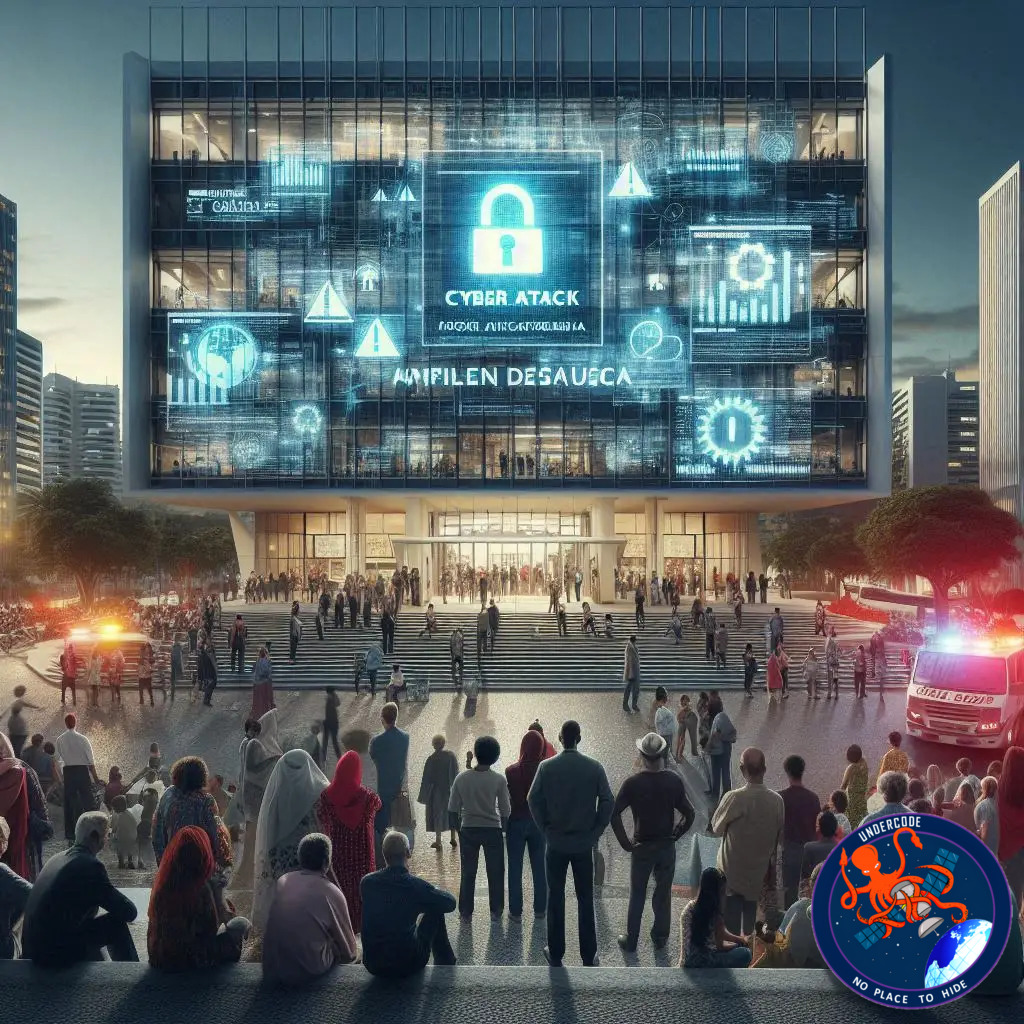
The Unexpected Assault on a City’s Digital and Physical Security
In a shocking turn of events, Cabedelo City Hall in Brazil found itself at the center of a dual crisis involving both a cyber attack and a physical invasion. The incident raised national concern about the growing intersection between digital threats and real-world breaches. According to reports from TweetThreatNews, attackers managed to penetrate the city’s digital defenses while simultaneously orchestrating a physical intrusion.
Rapid Response and Service Continuity
Despite the chaos, city officials acted swiftly to reinforce all security systems. Municipal departments implemented emergency cybersecurity protocols, while physical access points were locked down to prevent further breaches. The city confirmed that no essential public services were interrupted, emphasizing that operational continuity remained the top priority.
Digital Resilience Tested Under Pressure
Authorities reported that internal IT teams collaborated closely with national cybersecurity agencies to trace the source of the attack. Preliminary investigations suggest that sensitive databases were targeted but not compromised. Backup systems and redundant storage mechanisms helped maintain critical services, from public safety communications to municipal billing systems.
The Physical Invasion: A Coordinated Distraction?
While details remain scarce, the physical intrusion that occurred alongside the cyber assault appears to have been a diversionary tactic. Security experts believe the attackers sought to create confusion and distract response teams from the digital breach. The coordinated nature of the event suggests professional planning and potentially politically motivated intentions.
Public Confidence and Damage Control
In the aftermath, Cabedelo’s mayor issued a public statement assuring residents that no personal or financial data had been leaked. Additional security measures, including advanced firewalls and access monitoring systems, have since been deployed across all municipal offices. The city’s swift and transparent communication helped prevent panic and restore some degree of public trust.
Lessons for Other Municipal Governments
The Cabedelo incident serves as a wake-up call for local governments across Brazil and beyond. Municipal infrastructures, often overlooked in cybersecurity strategy, are increasingly becoming attractive targets for hackers seeking to exploit outdated systems and limited budgets. The attack highlights the urgent need for regular audits, employee training, and integrated cyber-physical defense planning.
Brazil’s Broader Cybersecurity Landscape
Brazil has seen a steady rise in cyber attacks against public institutions over the past decade. From healthcare systems to education databases, hackers have exploited weaknesses in both infrastructure and governance. The Cabedelo breach now adds another layer of complexity, demonstrating how digital and physical vulnerabilities can merge into a single, destructive event.
What Undercode Say:
The Real Meaning Behind the Dual Attack
This incident is more than just a municipal security issue—it represents a shift in the evolution of modern threats. The combination of cyber infiltration and physical intrusion is not random; it’s the manifestation of hybrid warfare at the city level. Small municipalities like Cabedelo often lack the multi-layered defense mechanisms used by federal institutions, making them easy testing grounds for more sophisticated threat actors.
Weak Points in Local Governance
Most municipal IT teams operate with limited budgets and outdated hardware, relying on legacy software that can’t withstand modern attacks. When a hacker identifies these weaknesses, the damage potential multiplies. The fact that Cabedelo’s services remained operational is impressive, but it also underscores how dangerously close the city came to a total systems failure.
Human Error Still the Greatest Risk
Even the most advanced digital defenses can be rendered useless by a single human mistake. Employees using weak passwords, sharing credentials over unsecured channels, or neglecting software updates can open doors to attackers. The event in Cabedelo likely involved some form of human oversight that enabled initial network access.
The Role of Incident Transparency
Cabedelo’s decision to publicly disclose the incident so quickly was both risky and commendable. In cybersecurity, transparency can prevent misinformation from spreading, but it can also invite further scrutiny. By taking control of the narrative early, the city demonstrated leadership—a quality often absent in similar crises.
Why Hybrid Attacks Are Rising
Blending physical and digital methods is a strategy designed to confuse responders. While IT teams are busy countering ransomware or system intrusions, a simultaneous physical disruption diverts security forces and delays containment. This dual-layer approach has been used by cybercrime groups and political actors worldwide, signaling that hybrid threats may soon become the new normal.
Implications for Brazilian Infrastructure
Brazil’s municipalities often serve as critical service hubs for millions of citizens. When one is attacked, even temporarily, the ripple effects can disrupt entire regions. This incident reinforces the need for federal-level coordination and shared threat intelligence across local governments to prevent future breaches.
The Psychological Warfare Element
Cyber attacks aren’t just about stealing data—they’re psychological weapons. A simultaneous invasion sends a message of vulnerability and chaos. For residents of Cabedelo, this event likely eroded trust in digital governance, even if no data was lost. Rebuilding that trust will require visible investments in transparency and cyber education.
The Economic Cost of Recovery
While officials claim no essential services were disrupted, the cost of investigating, restoring, and securing systems can be immense. Recovery budgets often exceed the value of the stolen data itself, straining public finances and slowing local development initiatives.
What This Means for Global Cybersecurity Trends
The Cabedelo case mirrors global patterns: attackers increasingly target local governments because they are both accessible and symbolic. Each successful breach emboldens new groups to try similar tactics elsewhere, creating a cascade of small but impactful cyber incidents.
The Future of Municipal Security
Cabedelo’s story will likely become a case study in municipal resilience. If the city continues strengthening its defenses and sharing insights, it could help reshape cybersecurity standards across Brazil. The key takeaway is clear—cyber defense is no longer optional or limited to national agencies; it’s a civic responsibility.
Fact Checker Results
✅ No essential services in Cabedelo were disrupted during the attack.
✅ City officials confirmed that no sensitive data was leaked.
❌ The identity of the attackers remains unknown as of November 2025.
Prediction
The Cabedelo attack could mark the beginning of a regional trend in Brazil where small cities become primary testing grounds for hybrid cyber-physical assaults. Within the next year, municipal governments may accelerate investments in AI-based security monitoring, while the federal government could introduce new national standards for digital resilience. 🚨🧠💻
🕵️📝✔️Let’s dive deep and fact‑check.
References:
Reported By: x.com
Extra Source Hub (Possible Sources for article):
https://www.twitter.com
Wikipedia
OpenAi & Undercode AI
Image Source:
Unsplash
Undercode AI DI v2
Bing
🔐JOIN OUR CYBER WORLD [ CVE News • HackMonitor • UndercodeNews ]
📢 Follow UndercodeNews & Stay Tuned:
𝕏 formerly Twitter 🐦 | @ Threads | 🔗 Linkedin | 🦋BlueSky | 🐘Mastodon


