
Listen to this Post
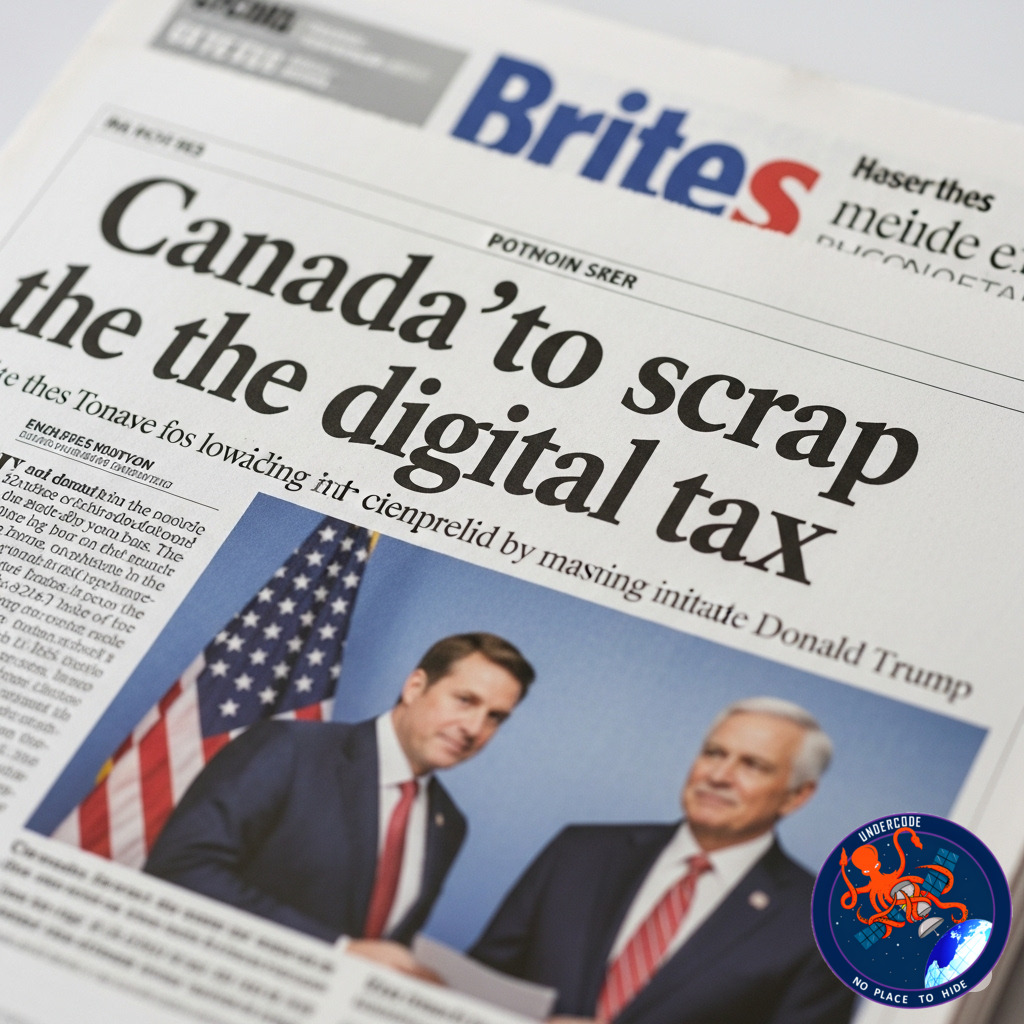
A Bold Move to Save a Fragile Alliance
Canada has officially scrapped its controversial Digital Services Tax (DST), a decision that signals a major shift in its trade strategy with the United States. The announcement came from Canada’s finance ministry just one day after former President Donald Trump declared he would impose steep tariffs on Canadian goods and terminate trade discussions. The move to repeal the tax appears to be an effort to re-open stalled negotiations and prevent further escalation between the two North American neighbors. As the July 21 deadline for a new trade deal approaches, all eyes are on whether this diplomatic gamble will pay off — or whether it marks the beginning of a deeper economic standoff.
Canada’s Digital Tax Rollback: What Just Happened?
In a rapid political reversal, Canada’s finance ministry confirmed Sunday that it is halting the collection of the Digital Services Tax, which was set to take effect immediately. The decision follows intense pressure from the Trump administration, which viewed the tax as an unfair attack on American tech giants like Google, Amazon, and Meta. Just days before, Trump had abruptly ended trade negotiations with Canada and announced plans for a 35% tariff on Canadian goods, expected to begin August 1. According to a joint statement, Canadian Prime Minister Mark Carney and Trump have since agreed to resume talks with the goal of finalizing a new trade deal by July 21.
The tax was originally designed to ensure big digital companies paid their fair share in Canada, but it quickly became a flashpoint in U.S.-Canada relations. Trump called Canada “very nasty to deal with” during a Fox News interview, and made it clear that talks would not resume unless the tax was completely withdrawn. In response, Finance Minister François-Philippe Champagne pledged to introduce legislation to officially repeal the Digital Services Tax Act. This sudden change appears to be a concession aimed at protecting broader Canadian economic interests and avoiding a potentially devastating tariff war.
Meanwhile, Washington has also taken steps to protect its tech sector. The U.S. Senate Finance Committee has included measures in its reconciliation package allowing American companies to retaliate against digital taxes imposed by foreign nations. With digital taxation emerging as a global flashpoint, Canada’s retreat may be seen by critics as caving under American pressure. Yet, Canadian officials argue this was a strategic move to protect jobs and trade flows at a delicate economic juncture.
With only days remaining before the self-imposed July 21 deadline, the focus now shifts to whether a deal can be struck — or whether Trump will follow through on his threat of sweeping tariffs, reigniting a trade war that could reshape the future of North American commerce.
What Undercode Say:
Strategic Surrender or Calculated Move?
Canada’s withdrawal of the DST is a textbook example of realpolitik — sacrificing a potentially lucrative tax in exchange for preserving the larger trade relationship with its most critical economic partner. The tax, aimed at digital giants who often pay minimal tax in jurisdictions where they generate substantial revenues, was long overdue from a fairness standpoint. However, implementing it unilaterally without coordination from major powers like the U.S. left Canada exposed.
Trump’s Leverage and Political Theater
Trump’s response is as much about optics as it is about economics. By framing Canada’s DST as hostile and burdensome to American innovation, he bolstered his “America First” narrative. His threat of 35% tariffs grabbed headlines and likely forced Ottawa into a corner. While his characterization of Canada as “nasty to deal with” may raise eyebrows diplomatically, the tough talk achieved its objective — Canada blinked first.
Economic Realities at Play
From an economic standpoint, Canada exports over 75% of its goods to the United States. A 35% tariff on a substantial portion of its exports could crush Canadian industries — particularly agriculture, manufacturing, and energy. In that light, backing down from the DST was a survival tactic more than a political defeat.
Tech Giants Still Under Fire Globally
Despite this Canadian pullback, the battle over taxing Big Tech is far from over. European nations, India, and others are pushing similar DSTs. The U.S. government, particularly Congress, is increasingly using legislative tools to combat what it sees as discriminatory taxes on U.S.-based companies. The global digital economy remains largely untaxed at the jurisdictional level, and the need for international reform is becoming urgent.
Broader Trade War Looming?
Trump’s threat of imposing tariffs isn’t an isolated gesture — it reflects a broader policy shift toward using tariffs as leverage. With other nations also pursuing digital taxes, a domino effect could emerge. Countries like France, the UK, and even Australia are likely watching Canada’s reversal closely. It could embolden U.S. negotiators to apply similar pressure elsewhere.
Diplomatic Fallout and Political Messaging
Domestically, the Canadian government faces criticism for appearing to yield under pressure. However, some view it as a tactical retreat to buy time and preserve the relationship, especially given that the July 21 deadline now looms large. On the U.S. side, Trump is once again asserting his influence over trade policies and rekindling his signature economic nationalism.
What Lies Ahead
What happens by July 21 will define whether this was a temporary flare-up or the opening salvo of a longer conflict. If no deal is reached, Trump’s tariffs could hit just as global inflation pressures remain fragile. For Canada, the stakes are enormous: it must balance domestic political optics, global tech fairness, and the reality of its dependency on U.S. trade.
Conclusion: More Than a Tax
This isn’t just about a digital tax — it’s about power, leverage, and who sets the rules in a digitized global economy. Canada’s reversal, though tactically understandable, underscores a deeper imbalance in U.S.-Canada relations. Whether this episode ends in a new deal or a fresh wave of tariffs, one thing is clear: digital taxation has become the new frontline in global trade wars.
🔍 Fact Checker Results:
✅ Canada officially announced the suspension of its Digital Services Tax
✅ Trump threatened a 35% tariff on Canadian goods starting August 1
❌ No formal U.S. response to Canada’s DST withdrawal has been issued yet
📊 Prediction:
If a U.S.-Canada trade deal isn’t finalized by July 21, Trump is highly likely to follow through with the 35% tariff threat. This would reignite trade tensions just as global supply chains begin stabilizing post-pandemic. Expect market volatility and possible retaliation from Canada or other DST-implementing countries.
References:
Reported By: axioscom_1752546426
Extra Source Hub:
https://www.stackexchange.com
Wikipedia
OpenAi & Undercode AI
Image Source:
Unsplash
Undercode AI DI v2


