
Listen to this Post
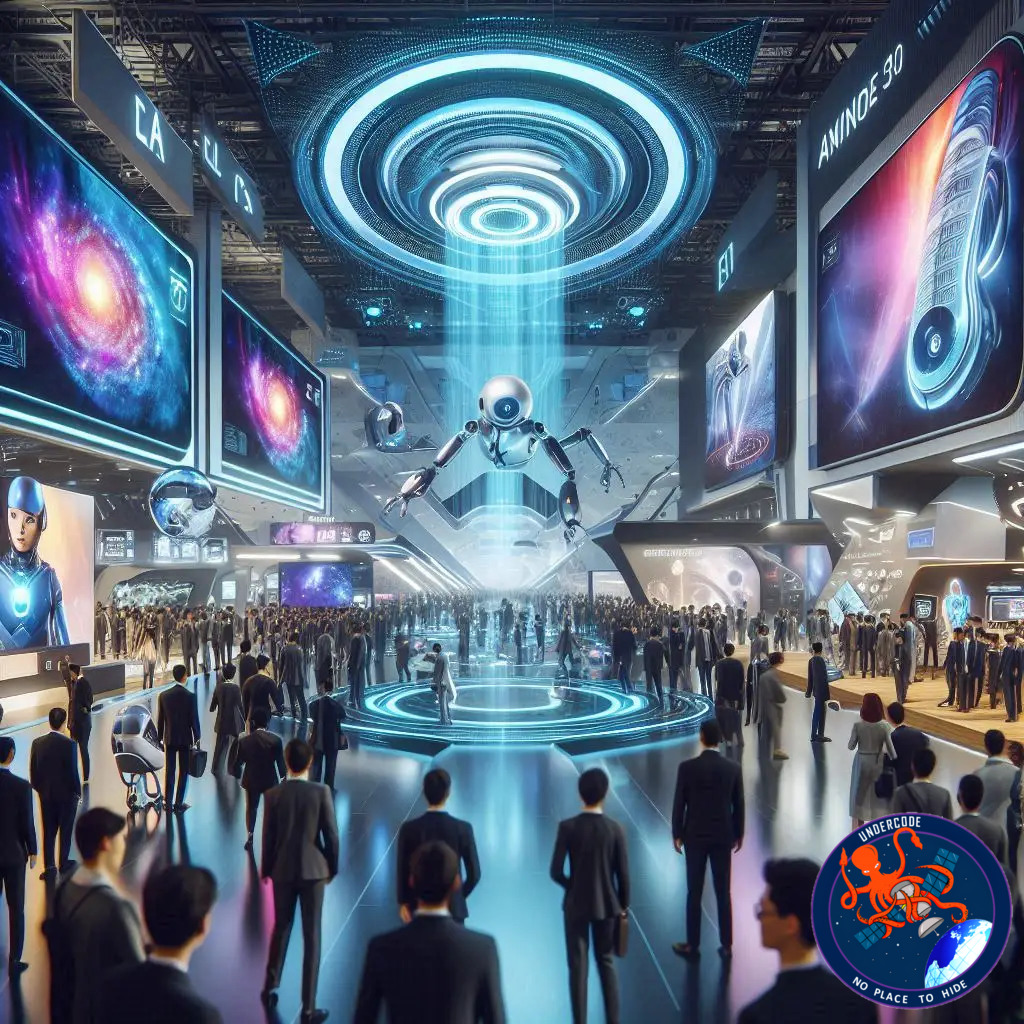
The world’s largest tech exhibition, CES 2026, is almost here, set to ignite innovation from January 4 for media previews and January 6 for the public. Every year, CES offers a glimpse into the future, where cutting-edge gadgets, experimental devices, and breakthrough technologies meet global audiences. From AI-driven wearables to futuristic robots and foldable smartphones, CES has always been the stage where tomorrow’s tech first appears. This year promises more bold moves, smarter devices, and imaginative designs that blur the line between science fiction and reality.
AI-Enabled Wearables: A New Era of Smart Accessories
Wearables have evolved beyond fitness trackers and health monitors. CES 2026 is expected to feature a surge in AI-powered smart rings, wristbands, and glasses. Unlike past iterations, these devices will offer deeper insights through AI chatbots capable of answering complex questions, providing real-time guidance, and even interpreting health and lifestyle data. Startups are likely to surprise attendees with affordable, high-quality AI wearables that challenge the dominance of brands like Meta or Oura. The combination of AI intelligence and wearable convenience is emerging as a defining trend in consumer tech.
Foldable and Trifold Smartphones: Redefining Portability
Foldable phones made significant strides in 2025, with Samsung’s Galaxy Z Fold 7 and Apple’s iPhone Air pushing slimmer, more versatile designs. Huawei’s Mate XT Ultimate introduced the first trifold phone, offering a 10.2-inch tablet experience in a compact form factor. Samsung recently announced the Galaxy Z TriFold, which is expected to arrive in the US in early 2026. CES may showcase these devices or inspire competitors to present their own takes on multi-fold smartphones, emphasizing the ongoing race to maximize screen real estate while maintaining portability.
Smart Robots: Beyond Vacuuming
CES has long been a proving ground for household and personal robots. Last year’s Roborock with a grabbing claw showed that robot vacuums could evolve into multitasking assistants. This year, we can anticipate more specialized home robots and AI companions. While some will remain prototypes, advancements in AI may bring practical, interactive robots that truly integrate into daily life, performing tasks beyond cleaning and providing support for a connected smart home ecosystem.
AI Hardware: Chips and Platforms
AI isn’t just about software; the chips and platforms powering the technology are equally critical. Nvidia and AMD are expected to reveal their latest breakthroughs at CES 2026. Nvidia may follow up on its 2025 Cosmos AI platform for robotics and autonomous driving, while AMD will likely announce its next generation of CPUs with 3D V-Cache technology. These innovations are essential for enabling AI’s full potential, from smarter wearables to more responsive robotics, and they highlight how hardware advancements drive software capabilities.
Next-Generation TVs: Expanding the Visual Frontier
CES is synonymous with extravagant displays, and 2026 will be no exception. Expect TVs that bend, stick to walls, and even reach colossal sizes, rivaling home theater screens. Innovations in OLED and Micro RGB technologies will improve brightness, color accuracy, and immersive experiences. Accompanying these screens will be new soundbars, projectors, and accessories designed to enhance the viewing experience, underscoring the enduring role of TVs as flagship consumer tech at CES.
What Undercode Say: Analytical Insights
CES 2026 represents more than a showcase of flashy gadgets; it signals the convergence of AI, mobility, robotics, and immersive media into the consumer experience. AI wearables exemplify how software intelligence is moving from the screen to the physical world. These devices are poised to redefine productivity and personal health monitoring, while simultaneously opening doors for startups to disrupt traditional hardware markets. Foldable and trifold phones demonstrate a continued push toward reimagining portable computing. Beyond novelty, these devices challenge design constraints and highlight consumer demand for multitasking, compact technology.
Robotics at CES 2026 illustrates a critical shift: robots are moving from single-task appliances to multifunctional, AI-assisted companions. The combination of machine learning, advanced sensors, and human-centric design could finally deliver robots that feel useful and approachable. Yet, their success hinges on practicality and seamless integration into daily life, not just visual appeal.
The importance of AI hardware cannot be overstated. Nvidia and AMD’s innovations suggest that computing power remains a bottleneck for AI adoption. Breakthroughs in chip efficiency and specialized AI platforms will accelerate applications ranging from home automation to autonomous vehicles. These developments underscore the symbiosis of hardware and software in creating transformative technology.
Meanwhile, TVs and home entertainment are evolving into interactive hubs. Beyond screen size and image quality, CES 2026 will spotlight how connectivity, content, and smart accessories integrate into a holistic entertainment ecosystem. This trend hints at a future where TVs are not just display devices but central nodes for AI-driven experiences.
In summary, CES 2026 is not just an exhibition; it’s a forecast of how AI, foldable devices, robotics, and immersive media are shaping consumer expectations. The event underscores a broader trend: technology is becoming more intuitive, adaptive, and seamlessly woven into daily life. Startups and established brands alike are leveraging CES as a stage to validate new ideas and push the boundaries of possibility. Those who can combine practicality with imagination are likely to set the standard for the next wave of consumer tech.
Fact Checker Results
✅ AI wearables are increasingly present at CES, with both startups and established brands showcasing advanced prototypes.
✅ Foldable and trifold smartphones continue to evolve, with Samsung and Huawei leading early innovations.
✅ Robotics at CES is transitioning from niche applications to more practical, AI-driven home assistants.
Prediction
📊 CES 2026 will highlight AI-driven personal devices and practical robots as the main attention grabbers.
📊 Foldable and trifold smartphones will become mainstream within two years, driven by consumer demand for larger screens in compact formats.
📊 TVs and home entertainment systems will evolve into interconnected, AI-enhanced ecosystems, making the living room a central hub for both entertainment and smart home integration.
▶️ Related Video (80% Match):
🕵️📝✔️Let’s dive deep and fact‑check.
References:
Reported By: www.zdnet.com
Extra Source Hub (Possible Sources for article):
https://www.pinterest.com
Wikipedia
OpenAi & Undercode AI
Image Source:
Unsplash
Undercode AI DI v2
Bing
🔐JOIN OUR CYBER WORLD [ CVE News • HackMonitor • UndercodeNews ]
📢 Follow UndercodeNews & Stay Tuned:
𝕏 formerly Twitter 🐦 | @ Threads | 🔗 Linkedin | 🦋BlueSky | 🐘Mastodon


