
Listen to this Post
Introduction: When Your Charger Isn’t Around
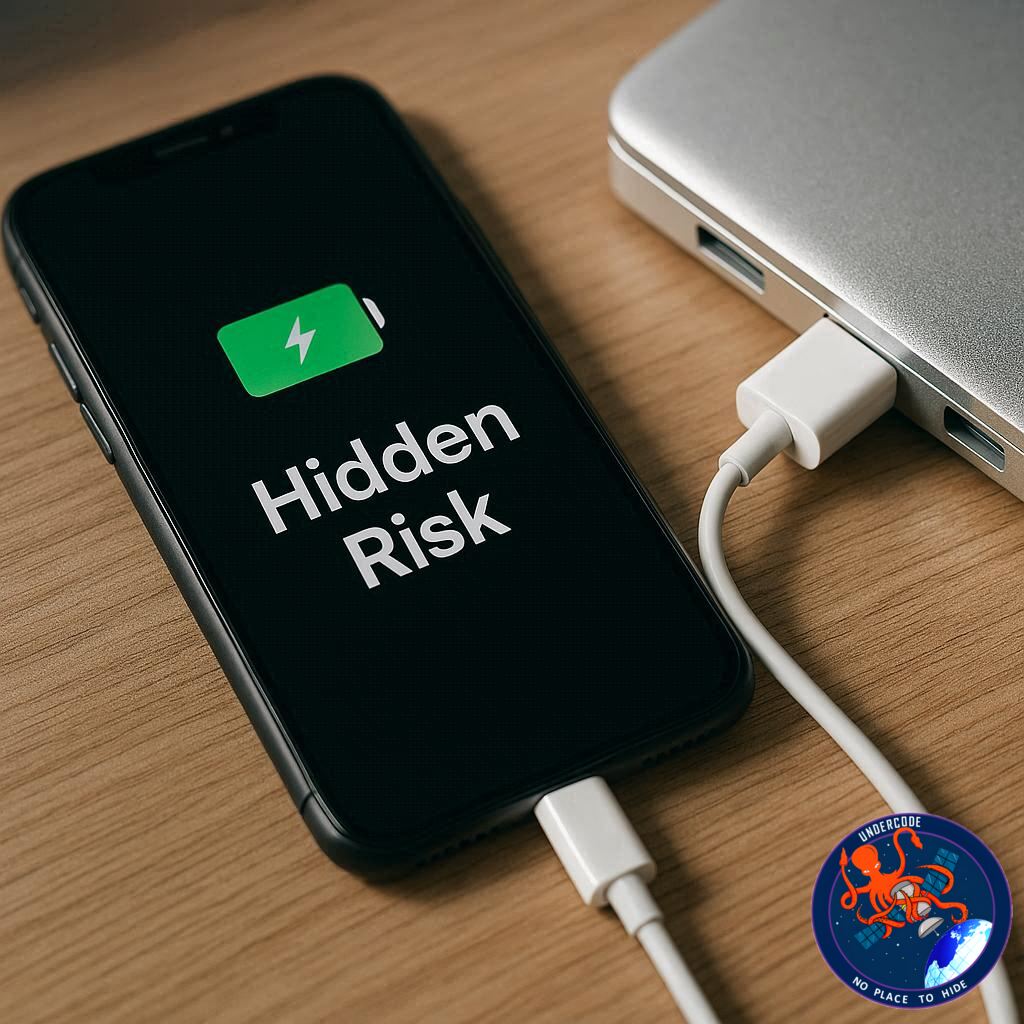
Running out of battery at the worst possible moment is a familiar frustration. Whether you are traveling, working remotely, or simply forgot your charger at home, the temptation to plug your phone into a laptop charger is hard to resist. With modern devices increasingly adopting USB-C ports, this workaround feels natural and easy. But behind this convenience lies a common concern: is it truly safe for your phone’s battery, charging speed, and overall performance?
The Rise of Universal Charging
Technology has quietly simplified charging across devices. Both smartphones and laptops now rely heavily on USB-C ports, making it possible to use a single charger for multiple gadgets. This shift is powered by advanced standards like USB Power Delivery, which allows devices to communicate and negotiate how much power should be transferred. As a result, plugging your phone into a laptop charger no longer feels like a risky experiment but rather a logical extension of modern design.
How Charging with a Laptop Charger Works
At the core of this process is smart communication between devices. When you connect your phone to a laptop charger, the charger does not blindly push power into your device. Instead, the phone requests a specific amount of power, and the charger responds accordingly. This negotiation ensures that your phone receives only what it can safely handle. If both the charger and the phone support USB Power Delivery, the process becomes even more efficient and controlled.
Understanding Power Delivery and Compatibility
USB Power Delivery is the key to safe cross-device charging. It allows chargers to provide different levels of power depending on the connected device. For example, a laptop charger capable of delivering 65W or even 100W will not force that entire output into your phone. Instead, your phone might only draw 15W or 25W, depending on its design. Compatibility between your phone, charger, and cable ensures this system works smoothly without causing damage.
Is It Safe to Use a Laptop Charger for Your Phone?
In most cases, charging your phone with a laptop charger is completely safe. Modern smartphones are engineered with built-in protection systems that regulate incoming power. These systems prevent overcharging, overheating, and voltage spikes. However, safety depends on a few important factors. Both the charger and the phone should support USB-C Power Delivery, and the cable used should be certified and reliable. Ignoring these basics can introduce unnecessary risks.
The Role of Smart Power Management
Smartphones today are not passive devices when it comes to charging. They actively monitor temperature, battery health, and power intake. If the device detects excessive heat or unstable power flow, it automatically reduces charging speed or temporarily pauses charging. This intelligent behavior ensures that even when using a high-wattage laptop charger, your phone remains protected.
High Wattage Chargers: Friend or Foe?
A common misconception is that higher wattage automatically means higher risk. In reality, wattage represents the charger’s maximum capability, not what it always delivers. Think of it as a ceiling rather than a constant output. Your phone decides how much power it wants to draw. This means a powerful laptop charger is not inherently dangerous. In fact, it can sometimes charge your phone faster if both devices support higher charging speeds.
The Importance of Using Quality Cables
While the charger and phone play major roles, the cable is often overlooked. A low-quality or uncertified cable can disrupt the communication between devices, leading to unstable charging. In some cases, it may even cause overheating or slow charging speeds. Using original or certified cables ensures consistent performance and reduces the risk of electrical issues.
Does It Affect Your Phone’s Performance?
Charging your phone with a laptop charger does not directly impact performance. The charger’s job is simply to supply power to the battery. It does not interfere with the processor, memory, or apps running on your device. However, indirect effects can occur if the phone becomes warm during charging. In such situations, the device may temporarily reduce performance to manage heat, which is a normal protective measure.
Heat and Its Temporary Impact
Heat is one of the most critical factors in battery health. When charging generates warmth, the phone may slow down certain processes to keep temperatures under control. This does not mean the charger is harming your device. It simply reflects the phone’s built-in safety mechanisms. Once the temperature stabilizes, performance returns to normal.
Charging Speed Differences
Using a laptop charger can sometimes lead to faster charging, but not always. The actual speed depends on your phone’s charging capabilities and the compatibility of the charger. If your phone supports fast charging through USB Power Delivery, you may benefit from quicker charging times. Otherwise, the speed may remain similar to that of a standard phone charger.
Situations Where Caution Is Needed
Although generally safe, there are scenarios where caution is necessary. Using damaged cables, incompatible chargers, or cheap adapters can lead to inconsistent power delivery. Older devices without proper power management features may also be more vulnerable. In such cases, sticking to the original charger is the safer choice.
Everyday Practicality
For most users, charging a phone with a laptop charger is a practical and convenient solution. It reduces the need to carry multiple chargers and simplifies daily routines. Whether you are at work, in a café, or traveling, having one charger for multiple devices can be incredibly useful.
Long-Term Battery Health Considerations
Battery longevity is influenced more by charging habits than by the type of charger used. Frequent exposure to high heat, constant full charging cycles, and using low-quality accessories have a greater impact on battery health than using a laptop charger occasionally. Maintaining moderate charging levels and avoiding extreme temperatures can help extend battery life.
The Bottom Line on Safety
Modern technology has made cross-device charging safer than ever. With proper compatibility and quality accessories, using a laptop charger for your phone is not only safe but also efficient. The built-in safeguards in both chargers and smartphones ensure that power is delivered responsibly.
What Undercode Say:
The Shift Toward a Unified Charging Ecosystem
The move toward USB-C and universal charging standards signals a broader transformation in the tech industry. Manufacturers are slowly eliminating proprietary charging systems in favor of more flexible solutions. This benefits users by reducing clutter and improving compatibility across devices.
Smart Charging Is Doing More Than You Think
Many users underestimate how advanced modern charging systems have become. Today’s devices constantly communicate, adjust voltage, and monitor conditions in real time. This level of intelligence makes scenarios that once seemed risky, like using a laptop charger for a phone, largely safe.
The Hidden Risk Lies in Accessories
The real danger does not come from high-wattage chargers but from poor-quality accessories. Cheap cables and adapters often lack proper insulation and communication chips. This can lead to unstable power flow, which is far more harmful than using a powerful charger.
Heat Management Is the Real Battle
Battery health is closely tied to temperature control. While high-wattage chargers are often blamed, the real issue is heat buildup during charging. Devices that manage heat effectively can handle a wide range of charging conditions without long-term damage.
Convenience vs. Awareness
The convenience of universal charging can sometimes lead to careless usage. People may plug their devices into any available charger without considering compatibility or quality. While modern systems are forgiving, informed usage still matters.
Fast Charging and Battery Trade-Offs
Fast charging technologies are designed to save time, but they can introduce more heat compared to slower charging methods. Over time, frequent fast charging may contribute to gradual battery wear. This is not a direct fault of laptop chargers but a general characteristic of high-speed charging.
Why Laptop Chargers Are Becoming More Common
As laptops adopt USB-C exclusively, their chargers are becoming more versatile. This naturally encourages users to use them for other devices, including smartphones, tablets, and accessories. The trend is likely to continue as ecosystems become more interconnected.
The Future of Charging Standards
The industry is moving toward even smarter and more efficient charging solutions. Future standards may further optimize power delivery, reduce heat, and improve battery lifespan. This evolution will make cross-device charging even safer and more seamless.
Practical Advice for Everyday Users
Using a laptop charger for your phone is fine in most cases, but awareness is key. Stick to trusted brands, avoid damaged cables, and pay attention to how your device behaves during charging. Small precautions can prevent bigger issues.
The Real Conclusion
The fear around using laptop chargers for phones is largely outdated. Technology has evolved to handle these scenarios safely. The real focus should shift from avoiding such practices to understanding how to do them correctly.
Fact Checker Results
✅ Modern smartphones regulate power intake and prevent overcharging automatically.
✅ USB Power Delivery ensures safe communication between charger and device.
❌ High-wattage chargers do not force excess power into phones.
Prediction
Charging Will Become Fully Universal 🔌
The industry will likely standardize charging further, making one charger suitable for all devices.
Fewer Chargers in the Future 📱
Manufacturers may stop including chargers altogether, relying on users to reuse existing ones.
Smarter Batteries Ahead ⚡
Battery technology will improve to handle higher speeds with less heat, reducing long-term wear.
🕵️📝✔️Let’s dive deep and fact‑check.
References:
Reported By: zeenews.india.com
Extra Source Hub (Possible Sources for article):
https://www.facebook.com
Wikipedia
OpenAi & Undercode AI
Image Source:
Unsplash
Undercode AI DI v2
Bing
🔐JOIN OUR CYBER WORLD [ CVE News • HackMonitor • UndercodeNews ]
📢 Follow UndercodeNews & Stay Tuned:
𝕏 formerly Twitter 🐦 | @ Threads | 🔗 Linkedin | 🦋BlueSky | 🐘Mastodon


