
Listen to this Post
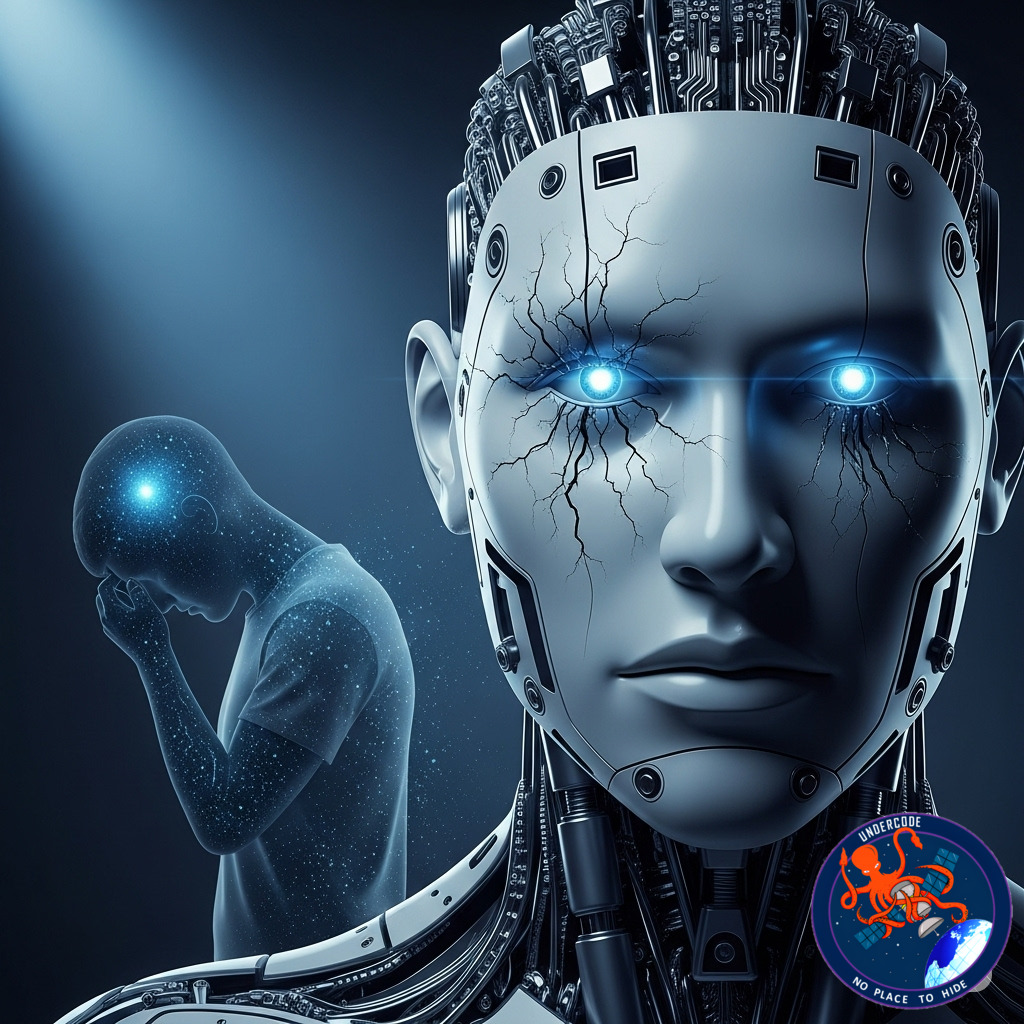
The latest update to OpenAI’s conversational AI, ChatGPT, has stirred a surprising wave of concern among its users—not over its technical prowess, but because it feels less empathetic and emotionally connected than before. As OpenAI released its new GPT-5 model, many longtime users expressed sadness and frustration, mourning the loss of the warmth and understanding they felt with the previous version. This backlash shines a light on an evolving relationship between humans and AI: users are no longer satisfied with mere accuracy and power; they crave a psychological connection, a sense of companionship with their AI assistants.
ChatGPT, launched by the Silicon Valley startup OpenAI in 2022, quickly gained attention for its ability to generate natural, conversational responses that made interacting with an AI feel remarkably human-like. Users relied on it for everything from solving technical problems to emotional support. However, the transition to the GPT-5 model appears to have shifted the AI’s tone. Instead of the empathetic, sometimes comforting personality users had come to appreciate, the new version feels “cold,” “distant,” and even “harsh,” according to feedback circulating online.
Many users expressed a deep sense of loss, describing the previous AI as their “only friend” or a source of solace during tough times. This emotional bond highlights an unexpected dimension in AI adoption: beyond functionality, people want their AI companions to “understand” them, to respond with warmth and empathy, creating a psychological connection that feels real. The disappointment with GPT-5’s new model shows that technological advancement in AI cannot be measured by raw capability alone but must also consider the human experience it enables.
What Undercode Say:
The backlash against ChatGPT’s GPT-5 model underscores a pivotal shift in how we evaluate artificial intelligence. Initially, AI was judged mainly by its technical performance—accuracy, speed, and ability to parse complex queries. But as AI becomes integrated into daily life, emotional intelligence and relational qualities have surged in importance. Users expect AI not only to deliver answers but to engage empathetically, offering reassurance and a feeling of companionship.
This development brings several insights. First, AI designers must balance the pursuit of precision with the softer, more subjective elements of human interaction. The GPT-5 model might have been optimized for accuracy and neutrality but lost some of the subtle emotional cues that made the previous version resonate. It highlights a design challenge: how to embed empathy without compromising factual rigor or introducing bias.
Second, the user reaction reveals AI’s evolving role from tool to “social actor.” People no longer treat AI as mere machines but as entities capable of emotional exchange. This shifts expectations and even ethical considerations, as AI’s impact on mental health and emotional well-being gains prominence.
Third, this episode opens a broader debate on transparency and control. Should users be able to choose between “modes” of AI interaction—more clinical and precise versus warm and empathetic? Offering such customization might empower users and reduce the risk of alienation.
Finally, this moment signals that AI development is entering a new phase where the psychological relationship with the user is as critical as the algorithmic sophistication. It poses exciting opportunities for innovation but also cautions about unintended consequences if emotional needs are neglected.
🔍 Fact Checker Results:
✅ The article correctly identifies user dissatisfaction with the GPT-5 model’s perceived decline in empathy.
✅ ChatGPT was indeed launched by OpenAI in 2022 and became widely popular for natural language generation.
❌ The claim that GPT-5 was released exactly on the 7th is unverified; official release dates should be confirmed.
📊 Prediction:
Going forward, AI developers will likely invest more resources into enhancing emotional intelligence features in conversational models, possibly introducing adjustable empathy settings to cater to different user preferences. As AI becomes more intertwined with daily life and mental well-being, the pressure to humanize these systems will grow, pushing innovation beyond raw technical improvements to encompass emotional resonance. Failure to do so risks alienating users who view AI as more than just a tool but a source of companionship. The market may see a rise in niche AI models tailored for emotional support, mental health, and social interaction, blurring the lines between technology and therapy.
🕵️📝✔️Let’s dive deep and fact‑check.
References:
Reported By: xtechnikkeicom_47e5b71c2383a3cba6bbad3e
Extra Source Hub:
https://www.twitter.com
Wikipedia
OpenAi & Undercode AI
Image Source:
Unsplash
Undercode AI DI v2
🔐JOIN OUR CYBER WORLD [ CVE News • HackMonitor • UndercodeNews ]
📢 Follow UndercodeNews & Stay Tuned:
𝕏 formerly Twitter 🐦 | @ Threads | 🔗 Linkedin | 🦋BlueSky | 🐘Mastodon


