
Listen to this Post
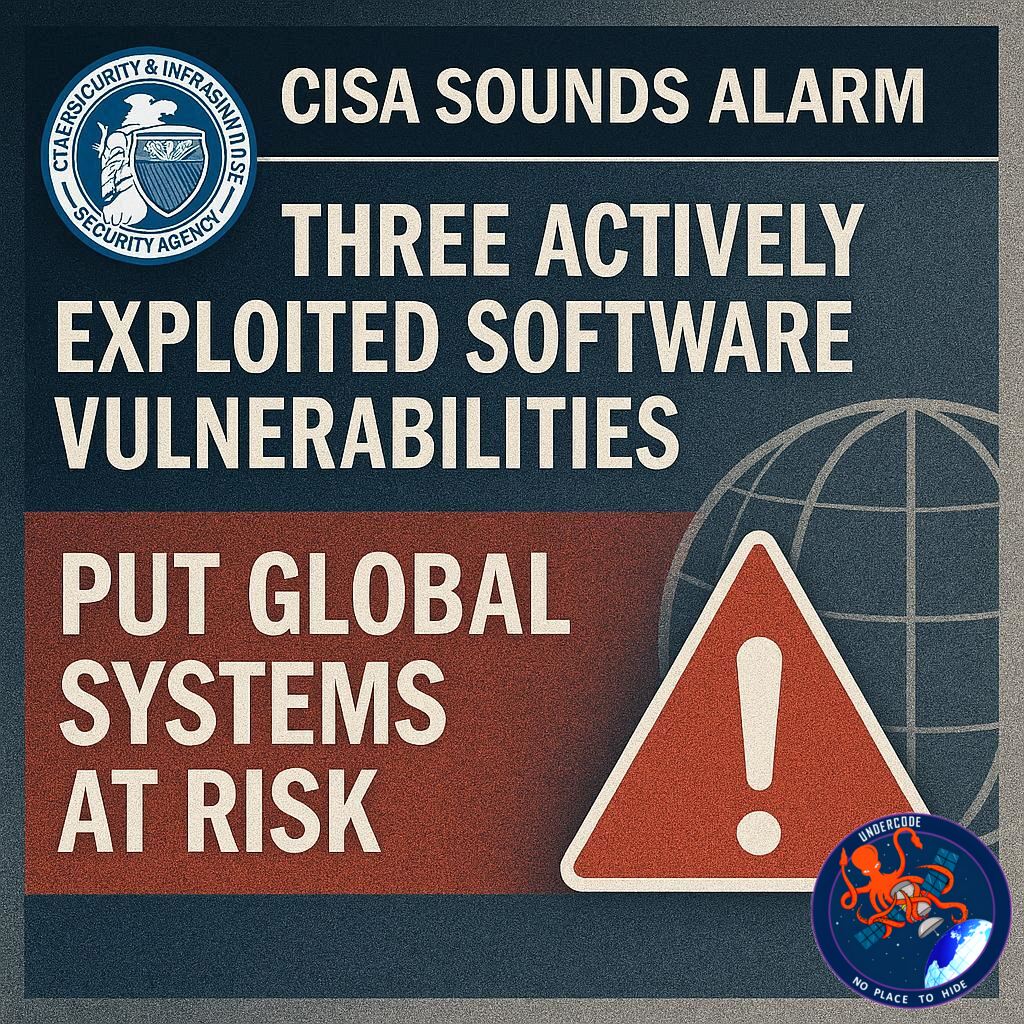
Introduction: A Fresh Warning From U.S. Cybersecurity Authorities
Cybersecurity threats continue to escalate as attackers actively exploit newly discovered vulnerabilities in widely used enterprise software. In a recent alert, the Cybersecurity and Infrastructure Security Agency (CISA) added three critical flaws to its Known Exploited Vulnerabilities Catalog (KEV), signaling that hackers are already using these weaknesses in real-world attacks.
The vulnerabilities affect major enterprise platforms including Omnissa Workspace One UEM (formerly VMware Workspace One UEM), SolarWinds Web Help Desk, and Ivanti Endpoint Manager. Security researchers and government officials warn that these flaws could allow attackers to steal sensitive information, bypass authentication systems, or even execute commands on compromised machines.
With active exploitation already observed in the wild, U.S. federal agencies have been ordered to patch affected systems immediately. The warning highlights how quickly cybercriminals weaponize vulnerabilities once they become public knowledge.
the Original Report
The U.S. Cybersecurity and Infrastructure Security Agency recently added three newly identified vulnerabilities to its Known Exploited Vulnerabilities catalog, confirming that they are being actively exploited by attackers. The vulnerabilities affect enterprise software platforms commonly used for device management, IT support, and endpoint security.
The first vulnerability, tracked as CVE-2021-22054, carries a severity score of 7.5 and affects Omnissa Workspace One UEM. It involves a server-side request forgery (SSRF) flaw that allows attackers with network access to send unauthorized requests to the system without authentication. By exploiting this flaw, malicious actors could retrieve sensitive data stored within the platform.
The second vulnerability, CVE-2025-26399, is considered extremely critical with a CVSS score of 9.8. It impacts the AjaxProxy component of SolarWinds Web Help Desk. This flaw involves unsafe deserialization of untrusted data, which could allow attackers to run commands directly on the targeted server. Security researchers from Microsoft and Huntress have reported that threat actors are already exploiting this vulnerability to gain initial access to systems.
Investigators believe that the exploitation campaign targeting SolarWinds Web Help Desk may be linked to the Warlock ransomware group, a cybercriminal organization known for launching aggressive ransomware attacks against enterprise networks.
The third vulnerability, CVE-2026-1603, affects Ivanti Endpoint Manager and has a severity rating of 8.6. This vulnerability allows authentication bypass through alternate paths or communication channels. An attacker exploiting this flaw could remotely access stored credential information without needing to authenticate.
While exploitation methods for the Ivanti vulnerability have not yet been publicly documented, the inclusion of the flaw in the KEV catalog indicates that government authorities have evidence suggesting it is already being used in attacks.
Earlier investigations by GreyNoise in March 2025 revealed that CVE-2021-22054 had been exploited alongside other SSRF vulnerabilities across multiple products as part of a coordinated attack campaign. Such campaigns often target enterprise infrastructure in order to gather intelligence or establish persistent access inside networks.
Due to the active exploitation of these vulnerabilities, CISA has issued strict deadlines for remediation. Federal Civilian Executive Branch agencies must apply patches for the SolarWinds Web Help Desk vulnerability by March 12, 2026. The remaining vulnerabilities affecting Omnissa Workspace One UEM and Ivanti Endpoint Manager must be patched by March 23, 2026.
According to CISA, vulnerabilities like these are among the most common attack vectors used by cybercriminals. If left unpatched, they can allow attackers to infiltrate networks, escalate privileges, steal data, or deploy ransomware.
The agency emphasized that timely patching remains one of the most critical defenses against cyber intrusions. Organizations that fail to act quickly risk becoming easy targets for sophisticated threat actors.
What Undercode Says:
The Real Story Behind CISA’s KEV Alerts
When CISA adds vulnerabilities to the Known Exploited Vulnerabilities catalog, it is not merely a routine update—it is a signal that active cyberattacks are already underway. The KEV list functions as an early warning system for organizations worldwide, highlighting flaws that hackers are exploiting right now rather than theoretical risks.
These additions often indicate that security researchers or intelligence agencies have detected real attack traffic targeting vulnerable systems. In other words, the threat has moved beyond speculation and into active operational campaigns.
Enterprise Infrastructure Is the Prime Target
All three vulnerabilities share a common theme: they target enterprise infrastructure tools. Platforms such as device management software, help desk systems, and endpoint management solutions are central hubs in corporate networks.
Compromising one of these systems often provides attackers with visibility and control across an entire organization. A successful breach of an endpoint management server, for example, could potentially grant access to thousands of connected devices.
This makes enterprise IT tools an extremely attractive target for ransomware groups and state-sponsored attackers.
SolarWinds Remains a High-Value Target
The involvement of SolarWinds software is particularly noteworthy. Since the historic SolarWinds Supply Chain Attack of 2020, attackers have increasingly focused on vulnerabilities within SolarWinds products.
The latest exploitation targeting SolarWinds Web Help Desk suggests that threat actors still view the company’s ecosystem as a valuable entry point into enterprise networks.
Even though the new vulnerability is unrelated to the 2020 supply-chain compromise, the brand’s presence in critical IT environments makes it a prime target for cybercriminal operations.
Ransomware Groups Are Shifting Toward Initial Access Exploits
The suspected involvement of the Warlock ransomware group reveals another major trend in cybercrime. Modern ransomware campaigns increasingly rely on exploiting software vulnerabilities to gain their initial foothold.
Instead of relying solely on phishing emails, attackers now scan the internet for exposed services running outdated software. Once a vulnerability is discovered, automated tools can deploy exploits across thousands of targets simultaneously.
This method dramatically increases the speed and scale of ransomware operations.
SSRF Vulnerabilities Are Quiet but Dangerous
The SSRF flaw in Omnissa Workspace One UEM may appear less dramatic than command execution vulnerabilities, but it is far from harmless. Server-side request forgery often acts as a stepping stone for deeper intrusions.
Attackers can use SSRF vulnerabilities to access internal services, bypass network restrictions, and extract sensitive information from otherwise protected systems.
In coordinated campaigns, SSRF vulnerabilities are frequently chained with other exploits to achieve full system compromise.
Authentication Bypass Is a Cybercriminal Dream
Authentication bypass vulnerabilities like the one affecting Ivanti Endpoint Manager are particularly alarming. Security systems depend heavily on authentication as the first line of defense.
If attackers can bypass authentication entirely, they can interact with sensitive components of a system without needing valid credentials.
Such vulnerabilities effectively remove the front door lock from an organization’s digital infrastructure.
The Growing Speed of Exploitation
One of the most troubling trends in modern cybersecurity is the shrinking window between vulnerability disclosure and exploitation.
In many cases, threat actors begin exploiting flaws within hours or days of public disclosure. Sometimes exploitation even begins before vendors release official patches.
This forces organizations into a constant race against time.
Patch Management Is Now a Strategic Defense
CISA’s strict patch deadlines highlight how critical patch management has become. Organizations that delay software updates expose themselves to unnecessary risk.
However, patching is not always straightforward. Large enterprises often rely on legacy systems and complex infrastructure where updates must be tested before deployment.
This tension between stability and security is one of the biggest challenges facing IT departments today.
Cybersecurity Is Becoming a National Security Issue
The involvement of federal agencies demonstrates that software vulnerabilities are no longer just technical issues—they are national security concerns.
Government networks, critical infrastructure, healthcare systems, and financial institutions all rely on the same enterprise software platforms targeted by attackers.
When vulnerabilities emerge in these systems, the potential impact extends far beyond individual companies.
🔍 Fact Checker Results
Verified Government Warning
✅ The Cybersecurity and Infrastructure Security Agency officially added the vulnerabilities to its Known Exploited Vulnerabilities catalog due to evidence of active exploitation.
Confirmed Security Research Reports
✅ Researchers from Microsoft and Huntress reported attackers exploiting the SolarWinds Web Help Desk vulnerability.
Limited Public Details on One Exploit
❌ The exact attack method used to exploit the Ivanti vulnerability has not yet been publicly disclosed.
📊 Prediction
Exploitation Will Expand Rapidly
Security analysts expect automated exploit tools to begin circulating within underground hacker communities. Once these tools appear, the number of attacks targeting unpatched systems could surge dramatically.
Ransomware Groups Will Continue Targeting IT Management Tools
Enterprise management platforms will likely remain prime targets for cybercriminal organizations. These systems provide attackers with centralized control over devices, making them ideal entry points for large-scale ransomware deployments.
Governments May Enforce Faster Patch Deadlines
Given the increasing frequency of active exploitation alerts, governments could introduce stricter cybersecurity compliance rules requiring organizations to patch critical vulnerabilities within much shorter timeframes.
🕵️📝✔️Let’s dive deep and fact‑check.
References:
Reported By: thehackernews.com
Extra Source Hub (Possible Sources for article):
https://www.facebook.com
Wikipedia
OpenAi & Undercode AI
Image Source:
Unsplash
Undercode AI DI v2
Bing
🔐JOIN OUR CYBER WORLD [ CVE News • HackMonitor • UndercodeNews ]
📢 Follow UndercodeNews & Stay Tuned:
𝕏 formerly Twitter 🐦 | @ Threads | 🔗 Linkedin | 🦋BlueSky | 🐘Mastodon


