
Listen to this Post
Introduction:
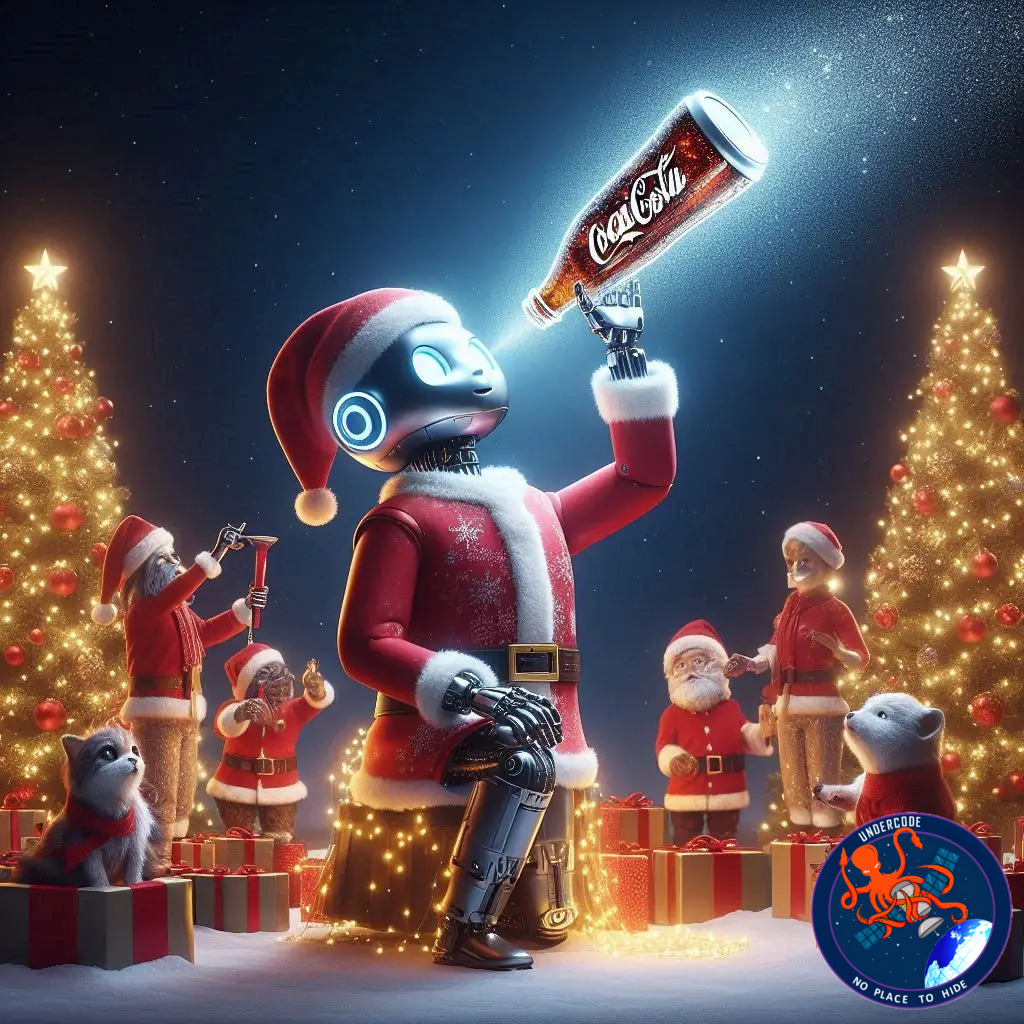
Every December, Coca-Cola becomes almost synonymous with Christmas — from the red trucks gliding through snowy streets to Santa raising a bottle in that signature smile. But in 2025, the brand’s attempt to modernize its magic has backfired. Their latest holiday campaign, created entirely by artificial intelligence, has ignited a wave of criticism across social media and marketing circles. What was meant to be a futuristic celebration of creativity quickly turned into a cautionary tale about the limits of AI in capturing human warmth.
A Digital Christmas Without a Soul
Coca-Cola’s 2025 Christmas advertisement was supposed to be revolutionary — the first major global holiday campaign created entirely by AI. From the script and visuals to the music and voiceovers, no human hand shaped the final version. The company positioned it as a bold step into the “future of creativity,” where technology could craft emotion as powerfully as any human storyteller.
However, the public reaction was immediate and icy. Within hours of its release, social media erupted with confusion, disappointment, and even mockery. Many viewers described the ad as “soulless” and “robotic,” saying it failed to evoke the joy and nostalgia that Coca-Cola’s holiday ads are famous for. Others called it “corporate laziness,” accusing the company of replacing human artists and directors with algorithms in pursuit of profit.
Critics pointed out unsettling visual elements — oddly perfect snowflakes, uncanny smiles, and digital Santas that seemed “emotionally hollow.” Even the familiar jingle sounded off, synthesized by an AI composer trying too hard to mimic human warmth. Instead of inspiring Christmas cheer, the ad sparked discussions about what happens when brands forget that emotion is not just data — it’s lived experience.
Marketing analysts were quick to respond. CNN Business reported that while Coca-Cola aimed to show innovation, the execution alienated core audiences who associate the brand with nostalgia, family, and authenticity. The AI-generated ad, despite its technical brilliance, highlighted the widening gap between machine efficiency and emotional connection.
Coca-Cola defended the campaign, saying it was an “exploration of creative potential” and a step toward blending human imagination with technology. Yet, consumers weren’t convinced. Petitions emerged online urging the company to “bring back human Christmas ads,” and YouTube comment sections filled with calls for the return of the iconic truck ads and real human actors.
The controversy also reignited the broader debate over AI’s growing influence in art, film, and advertising. For many, Coca-Cola’s misstep symbolized a cultural crossroads — a moment where society must decide how far automation should go before it strips away the humanity from art.
What Undercode Say:
Coca-Cola’s AI holiday debacle is more than a PR misfire; it’s a reflection of the tension between innovation and authenticity. The brand, historically seen as a cultural architect of holiday emotion, tried to automate sentiment — and in doing so, exposed AI’s greatest limitation: empathy.
For decades, Coca-Cola’s Christmas ads have relied on a formula that transcends product marketing. They tell stories of connection, generosity, and nostalgia. The trucks rolling through snowy towns. The child offering a Coke to Santa. These are not just commercials — they’re emotional rituals. When AI took over, the ritual broke.
This incident demonstrates how technology, while powerful, still struggles to simulate the imperfections that make human stories beautiful. The digital Santas were flawless, but that was the problem. Human warmth often comes from asymmetry — the tremor in a voice, the uneven flicker of candlelight, the subtle emotion behind an actor’s eyes. These are nuances that algorithms cannot authentically generate.
From a brand strategy perspective, Coca-Cola’s move may have been an attempt to stay culturally relevant amid a rapidly changing tech landscape. Yet, by prioritizing novelty over emotional resonance, they risked alienating their most loyal audience — families who grew up with the brand’s human touch. This mistake underscores an emerging paradox: in a world fascinated by AI, the most valuable currency may soon be “authentic humanity.”
Moreover, this backlash serves as a warning for global brands chasing AI efficiency. Consumers are growing more critical, more emotionally aware of authenticity. They don’t want a “perfect” ad; they want one that feels real. Emotional connection cannot be outsourced to machines.
Interestingly, smaller indie brands have been quietly moving in the opposite direction — focusing on handcrafted storytelling, raw visuals, and community engagement. Coca-Cola’s stumble might push large corporations to rethink how they integrate AI into marketing: not as a replacement for human creativity, but as a supportive tool that enhances it.
This incident could reshape advertising philosophy. The next creative revolution might not be about full automation, but hybrid creativity — where human imagination leads, and AI assists. A future where art remains emotional, and technology simply amplifies it.
Coca-Cola’s AI Christmas ad will likely be studied in marketing schools for years to come. It’s a case study on emotional dissonance in branding — a reminder that technology can simulate many things, but it cannot yet simulate heart.
Fact Checker Results:
✅ Coca-Cola confirmed the 2025 Christmas ad was entirely AI-generated.
❌ The company did not employ human creative directors in the final production phase.
✅ Social media backlash was documented across major platforms within 24 hours of release.
Prediction:
🎄 Expect Coca-Cola to revert to hybrid campaigns blending AI efficiency with human storytelling.
💡 The ad industry will increasingly value “authentic imperfection” over synthetic perfection.
🚀 In 2026, brands that embrace emotional realism will dominate consumer trust and engagement.
🕵️📝✔️Let’s dive deep and fact‑check.
References:
Reported By: edition.cnn.com
Extra Source Hub (Possible Sources for article):
https://www.digitaltrends.com
Wikipedia
OpenAi & Undercode AI
Image Source:
Unsplash
Undercode AI DI v2
Bing
🔐JOIN OUR CYBER WORLD [ CVE News • HackMonitor • UndercodeNews ]
📢 Follow UndercodeNews & Stay Tuned:
𝕏 formerly Twitter 🐦 | @ Threads | 🔗 Linkedin | 🦋BlueSky | 🐘Mastodon


