
Listen to this Post
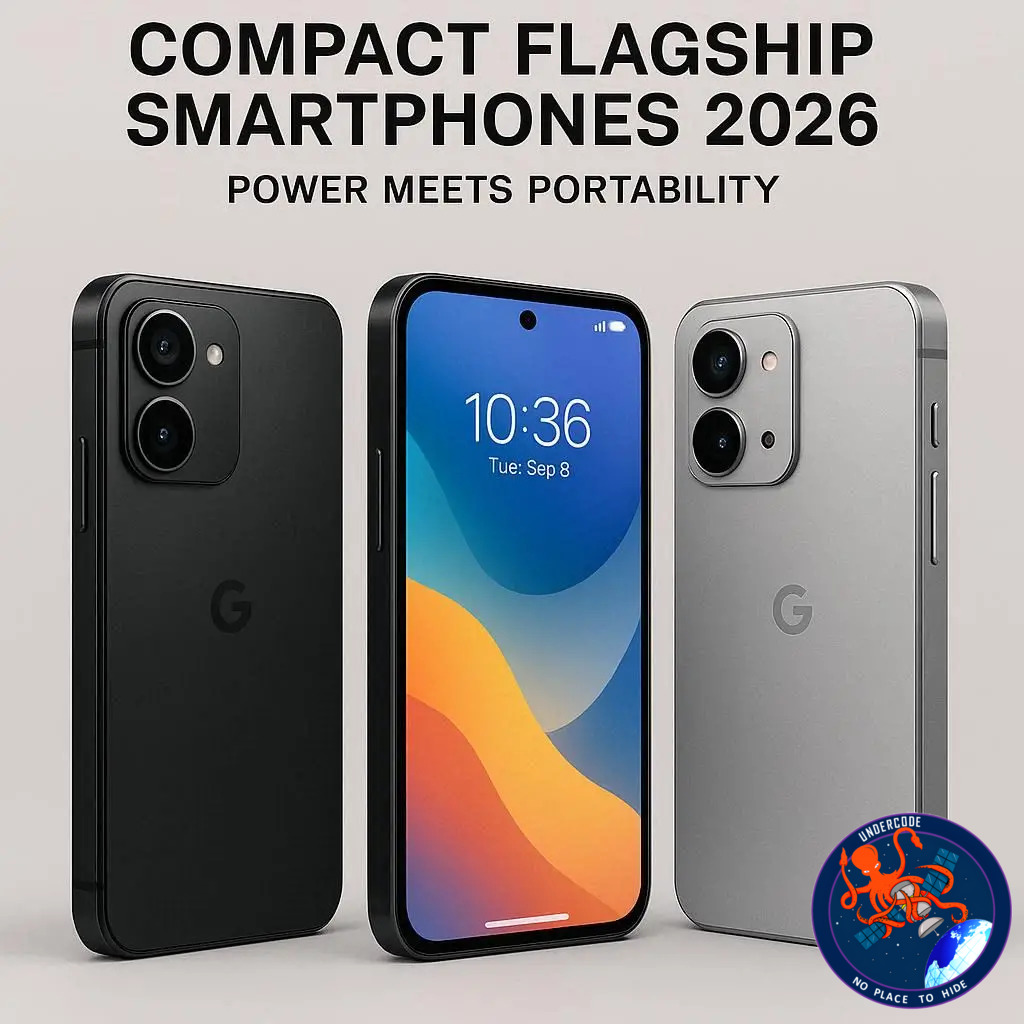
As smartphone screens continue to grow, a niche of compact devices under 6.4 inches has emerged, catering to users who value portability and one-handed usability without compromising performance. These smaller phones pack flagship-level hardware, advanced cameras, and premium build quality into a form factor that fits comfortably in the hand or pocket. Leading manufacturers including Samsung, Apple, Google, OnePlus, Oppo, and Vivo have all introduced models with screens ranging from 6.1 to 6.32 inches, demonstrating that compact design does not mean sacrificing power or features.
Rising Demand for Compact Smartphones
Compact smartphones in 2026 are more than just smaller versions of flagship devices. They combine high-refresh-rate displays, powerful processors, versatile camera systems, and optimized battery capacities in a manageable size. Screen sizes between 6.1 and 6.35 inches provide a perfect balance between usability and display real estate, ensuring one-handed operation while still accommodating video, gaming, and productivity needs. High refresh rates (90Hz–120Hz) and peak brightness levels enhance user experience across varied lighting conditions.
Performance and Battery Considerations
Despite their smaller size, these compact phones match the processing capabilities of larger models. Whether multitasking, gaming, or running demanding apps, devices like the Samsung Galaxy S25, Apple iPhone 16e, and Google Pixel 9 deliver smooth, lag-free performance. Battery capacity and charging speed are carefully engineered to suit smaller form factors, with capacities ranging from 4,000mAh to 6,500mAh, supporting fast wired and wireless charging.
Camera Systems That Compete with Flagships
Photography is a critical consideration for compact devices. Multi-lens systems, computational photography, and AI-enhanced features ensure photos rival those from larger phones. For instance, the Oppo Reno 15 Pro Mini boasts a 200MP main camera, while Vivo X200 FE leverages ZEISS optics to capture professional-grade shots. Front cameras also offer high resolution and advanced software enhancements for selfies and video calls.
Leading Compact Smartphones of 2026
Samsung Galaxy S25 – 6.2-inch FHD+ AMOLED, Snapdragon 8 Elite, triple rear cameras (50MP+10MP+12MP), 4,000mAh battery with 25W charging, IP68 rating.
Apple iPhone 16e – 6.1-inch Super Retina XDR, A18 chip, 48MP Fusion camera with 2x telephoto, up to 6 hours longer battery life than iPhone 11, satellite SOS, IP68 water/dust resistance.
Google Pixel 9 – 6.3-inch OLED, Tensor G4 processor, dual rear cameras (50MP+48MP), 4,700mAh battery, seven years of software updates, AI-powered photography.
OnePlus 13s – 6.32-inch ProXDR LTPO display, Snapdragon 8 Elite, 50MP+50MP rear cameras, 5,850mAh battery with 80W SUPERVOOC, Plus Key for shortcuts and content management.
Oppo Reno 15 Pro Mini – 6.32-inch OLED, MediaTek Dimensity 8450, 200MP+50MP+50MP cameras, 6,200mAh battery with 80W charging, IP66/IP68/IP69 dust and water resistance.
Vivo X200 FE 5G – 6.31-inch 1.5K ZEISS display, MediaTek Dimensity 9300+, triple ZEISS cameras, 6,500mAh battery with 90W FlashCharge, advanced AI photography and security features.
What Undercode Say:
Compact smartphones in 2026 mark a subtle but significant shift in consumer preference, emphasizing ergonomics without sacrificing flagship-grade hardware. Manufacturers have realized that a substantial segment of users prioritize ease of use and portability, particularly in regions where one-handed operation is critical for daily productivity. The technological leap enabling this trend is multifold. Advanced chipsets like the Qualcomm Snapdragon 8 Elite, MediaTek Dimensity 9300+, and Apple A18 allow high-performance computing in a smaller chassis, while optimized thermal management prevents throttling under heavy use.
Battery engineering also plays a pivotal role. Despite smaller physical dimensions, innovations in fast charging, adaptive refresh rates, and AI power management extend daily usage and maintain device longevity. This indicates a broader design philosophy shift: compact form factors are now treated as full-fledged flagship devices rather than budget-friendly alternatives.
Camera performance, historically a limitation in compact phones, has become a decisive differentiator. Multi-lens systems paired with computational photography ensure low-light, zoom, and portrait capabilities rival larger devices. Notably, the integration of AI tools across these devices—from Google’s Gemini Nano model to Samsung’s AI Call Assistant—enhances usability and personalization, making the compact phone more than just a miniaturized hardware platform.
From a market standpoint, compact devices also respond to lifestyle needs. Professionals juggling work and travel, students seeking convenience, and users desiring lightweight daily companions all benefit from these devices. Furthermore, brand differentiation now relies on nuanced features such as satellite connectivity (iPhone 16e), ZEISS-certified optics (Vivo X200 FE), and specialized AI assistants (OnePlus 13s), underscoring the role of software ecosystems in defining the compact flagship experience.
In terms of sustainability, compact phones may also offer environmental advantages. Smaller batteries and materials reduce overall resource use, while longevity-enhancing software updates—as seen with Google Pixel 9’s seven-year support—extend device lifecycles.
The pricing spectrum indicates that affordability no longer compromises capabilities. With high-end compact phones ranging roughly from $650 to $800 USD, users gain full-featured experiences without investing in bulky devices. This segment demonstrates that the future of smartphones may not always be about “bigger is better,” but “smarter, more portable, and thoughtfully engineered.”
In conclusion, the compact smartphone market of 2026 reflects a convergence of design intelligence, hardware sophistication, and AI-enhanced usability. It represents an alternative path in an industry long dominated by large-screen devices, proving that flagship experiences can be delivered in the palm of your hand.
Fact Checker Results:
✅ Samsung Galaxy S25 has a 6.2-inch display with Snapdragon 8 Elite chipset.
✅ iPhone 16e supports satellite features and A18 chip performance.
✅ Google Pixel 9 receives seven years of software and security updates.
Prediction:
📊 The trend of compact flagship smartphones is likely to strengthen through 2027, with more brands optimizing AI, camera systems, and battery efficiency in smaller form factors. Expect the rise of specialized compact devices for productivity, gaming, and creative applications, making portability a central selling point without compromise on performance.
▶️ Related Video (92% Match):
🕵️📝✔️Let’s dive deep and fact‑check.
References:
Reported By: timesofindia.indiatimes.com
Extra Source Hub (Possible Sources for article):
https://www.github.com
Wikipedia
OpenAi & Undercode AI
Image Source:
Unsplash
Undercode AI DI v2
Bing
🔐JOIN OUR CYBER WORLD [ CVE News • HackMonitor • UndercodeNews ]
📢 Follow UndercodeNews & Stay Tuned:
𝕏 formerly Twitter 🐦 | @ Threads | 🔗 Linkedin | 🦋BlueSky | 🐘Mastodon


