
Listen to this Post
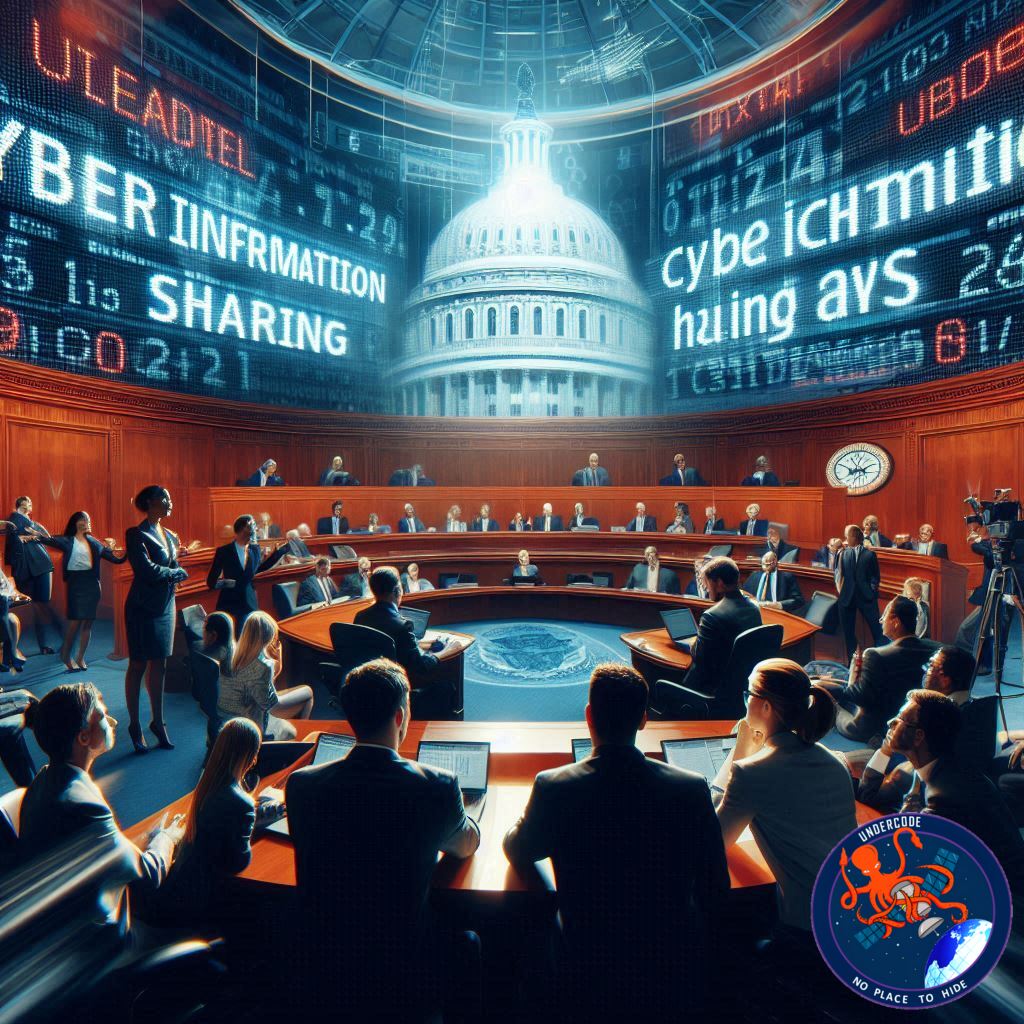
Introduction: A Critical Cyber Law Stuck in Political Limbo
As cyber threats accelerate and foreign adversaries sharpen their digital weapons, one of the United States’ most important cybersecurity laws is once again nearing expiration. With just weeks left before the Cybersecurity Information Sharing Act of 2015 runs out for the second time, lawmakers appear divided and unprepared to deliver a long-term solution. Instead, Congress may resort to a familiar strategy: kicking the can down the road with yet another short-term extension.
The Law at the Center of the Debate
The Cybersecurity Information Sharing Act of 2015 was designed to encourage private companies to share cyber threat intelligence with the federal government and with one another. Its core incentive is legal protection, shielding companies from liability when they voluntarily report cyber incidents or indicators of compromise.
Why the Law Matters
This framework has been foundational to public-private cybersecurity cooperation. Without it, companies could hesitate to share critical threat data, slowing down collective defense efforts against ransomware groups, state-sponsored hackers, and large-scale infrastructure attacks.
A Second Expiration Deadline Approaches
The law already expired once in October before being temporarily extended through January 30 as part of legislation that ended the recent government shutdown. Now, with little more than a month remaining, Congress is again facing the same deadline pressure.
Garbarino Signals Likely Short-Term Extension
House Homeland Security Chairman Andrew Garbarino, a Republican from New York, said openly that lawmakers are unlikely to reach consensus in time for a long-term reauthorization. According to him, negotiations are stalled by fundamentally different visions for the law’s future.
Three Competing Visions Inside Congress
Garbarino explained that the difficulty lies in the existence of three separate approaches to reauthorizing the law. Each reflects different political priorities and institutional concerns, making compromise increasingly difficult.
The “Clean Reauthorization” Camp
The Trump administration and several Senate Republicans favor a straightforward, 10-year reauthorization with no changes. Supporters argue that the law has worked as intended and that reopening it risks weakening cybersecurity cooperation.
Resistance in the House
Garbarino warned that this approach may not survive a House vote. Members of the Freedom Caucus have expressed skepticism, particularly toward the Cybersecurity and Infrastructure Security Agency (CISA), which plays a central role in implementing the law.
Freedom Caucus Concerns
The Freedom Caucus has criticized CISA for what it views as mission creep and overreach. These concerns make it politically risky for House leadership to push through a clean extension without modifications or added safeguards.
Rand Paul’s Free Speech-Centered Proposal
Adding another layer of complexity, Senate Homeland Security Committee Chairman Rand Paul has introduced a version of the bill focused heavily on protecting free speech. He argues that information sharing frameworks must not enable government overreach or censorship.
Garbarino’s Alternative Approach
Garbarino himself has proposed yet another version of the legislation, one that tweaks the existing framework while attempting to address House concerns without dismantling the law’s core protections.
Negotiations at a Standstill
Despite ongoing discussions, Garbarino acknowledged that the House and Senate remain far apart. No version currently appears capable of clearing both chambers before the deadline.
Another Temporary Fix Likely
As a result, lawmakers are now preparing for a short-term extension tied to upcoming government funding legislation. This would keep the law alive but postpone meaningful reform once again.
Broader Cybersecurity Issues on the Table
Beyond the information sharing law, the House Homeland Security Committee is juggling several high-profile cybersecurity challenges that reflect the growing complexity of the threat landscape.
Regulatory Harmonization Efforts
Garbarino confirmed that the committee is drafting a report on “regulatory harmonization,” aimed at reducing conflicts among federal cybersecurity rules. The goal is not deregulation, but clarity and efficiency.
FCC Rules and the Salt Typhoon Breach
When asked about the Federal Communications Commission’s decision to roll back certain Biden-era cybersecurity rules following the Salt Typhoon telecom breach, Garbarino expressed reservations. While he did not support removing all protections, he acknowledged the decision was outside his control.
Ongoing Probe Into Salt Typhoon
The committee continues to investigate the government’s response to Salt Typhoon, a Chinese-linked hacking group accused of breaching U.S. telecommunications networks. According to Garbarino, initial responses from federal agencies were unsatisfactory.
Renewed Requests for Answers
In recent months, the committee sent additional questions seeking clearer explanations and accountability. The investigation remains active, with no legislative outcome finalized yet.
Coordination With China Select Committee
Garbarino said his team is working closely with the House Select Committee on China to explore possible legislative responses, though concrete proposals have not yet emerged.
Cyber Workforce Legislation Moves Forward
Cybersecurity staffing shortages remain another priority. Representative Sheri Biggs has taken over leadership on cyber workforce legislation originally sponsored by Garbarino’s predecessor.
Changes Expected to the Workforce Bill
Garbarino anticipates revisions to the proposal as it moves forward, reflecting evolving needs and bipartisan feedback.
AI and Cybersecurity Take Center Stage
Two Homeland Security subcommittees are holding hearings focused on artificial intelligence and cybersecurity, signaling Congress’s growing concern over AI-driven threats.
AI as a Defensive Necessity
Garbarino was blunt about the future of cyber defense. Human-only responses, he said, will not be enough against adversaries using AI to automate and scale attacks.
A New Era of Cyber Defense
According to Garbarino, artificial intelligence must become a core component of U.S. cyber defense strategies if the country hopes to keep pace with increasingly sophisticated adversaries.
What Undercode Say:
Legislative Paralysis Weakens Cyber Defense
The repeated short-term extensions of the Cybersecurity Information Sharing Act highlight a deeper problem: cybersecurity policy is being treated as a political bargaining chip rather than critical national infrastructure.
Temporary Fixes Create Long-Term Risk
Each stopgap extension introduces uncertainty for private companies. Legal ambiguity discourages proactive threat sharing, precisely when speed and coordination matter most.
Fragmented Visions Reflect Broader Distrust
The three competing legislative approaches reveal growing mistrust between Congress, federal agencies, and the private sector. This fragmentation undermines unified cyber defense.
Free Speech vs. Security Tensions
While civil liberties must be protected, embedding free speech battles into cybersecurity legislation risks delaying essential protections against foreign adversaries.
CISA at the Center of the Storm
Criticism of CISA reflects political dynamics more than operational failure. Weakening the agency without a clear alternative could leave coordination gaps.
Salt Typhoon as a Wake-Up Call
The telecom breaches underscore the consequences of slow legislative action. Adversaries are exploiting precisely the sectors where regulatory clarity is weakest.
Regulatory Harmonization Is Long Overdue
Conflicting federal rules burden companies and slow compliance. Harmonization, if done carefully, could strengthen rather than dilute security.
AI Changes the Rules Entirely
Garbarino’s comments on AI are among the most realistic acknowledgments from Congress. Automated attacks require automated defense.
Workforce Shortages Compound the Problem
Even the best laws fail without skilled professionals to implement them. Cyber workforce investment should move in parallel with legislative reform.
Delay Benefits Adversaries
Every month of indecision gives hostile actors more room to maneuver. Cyber threats do not wait for congressional consensus.
A Strategic Blind Spot
Cybersecurity legislation is being handled tactically rather than strategically. Long-term planning is missing.
Bipartisanship Exists, But Alignment Does Not
Lawmakers broadly agree on the importance of cybersecurity, yet disagree on execution, oversight, and trust.
The Cost of Inaction Is Invisible—Until It Isn’t
Unlike physical infrastructure failures, cyber breakdowns often remain unseen until massive damage occurs.
Information Sharing Is the Backbone
Without legal protections, the entire threat intelligence ecosystem weakens, from small ISPs to national carriers.
Congressional Credibility at Stake
Repeated extensions signal uncertainty to allies, companies, and adversaries alike.
The AI Arms Race Is Already Underway
Foreign adversaries are integrating AI faster than U.S. institutions are legislating its defense.
Cybersecurity Requires Stability
Stable legal frameworks enable investment, innovation, and preparedness.
Short-Term Politics vs. Long-Term Security
The current impasse reflects political incentives misaligned with national security needs.
The Window for Leadership Is Closing
Congress still has time to act decisively—but not much.
Fact Checker Results
Core Legislative Timeline Accuracy
The January 30 deadline and prior October lapse align with congressional records. ✅
Lawmaker Statements Consistency
Quotes and positions attributed to Garbarino and Rand Paul are accurately represented. ✅
Cybersecurity Context Validity
References to Salt Typhoon, CISA, and AI-driven threats reflect documented concerns. ✅
Prediction
Another Temporary Extension Is Likely ⏳
Congress is expected to approve a short-term extension tied to funding legislation.
Long-Term Reform Will Slip Further 🔄
Substantive changes are unlikely before the next major legislative session.
AI Will Dominate Future Cyber Debates 🤖
Artificial intelligence is poised to become the central theme of upcoming cybersecurity policy discussions.
🕵️📝✔️Let’s dive deep and fact‑check.
References:
Reported By: cyberscoop.com
Extra Source Hub (Possible Sources for article):
https://www.reddit.com
Wikipedia
OpenAi & Undercode AI
Image Source:
Unsplash
Undercode AI DI v2
Bing
🔐JOIN OUR CYBER WORLD [ CVE News • HackMonitor • UndercodeNews ]
📢 Follow UndercodeNews & Stay Tuned:
𝕏 formerly Twitter 🐦 | @ Threads | 🔗 Linkedin | 🦋BlueSky | 🐘Mastodon


