
Listen to this Post
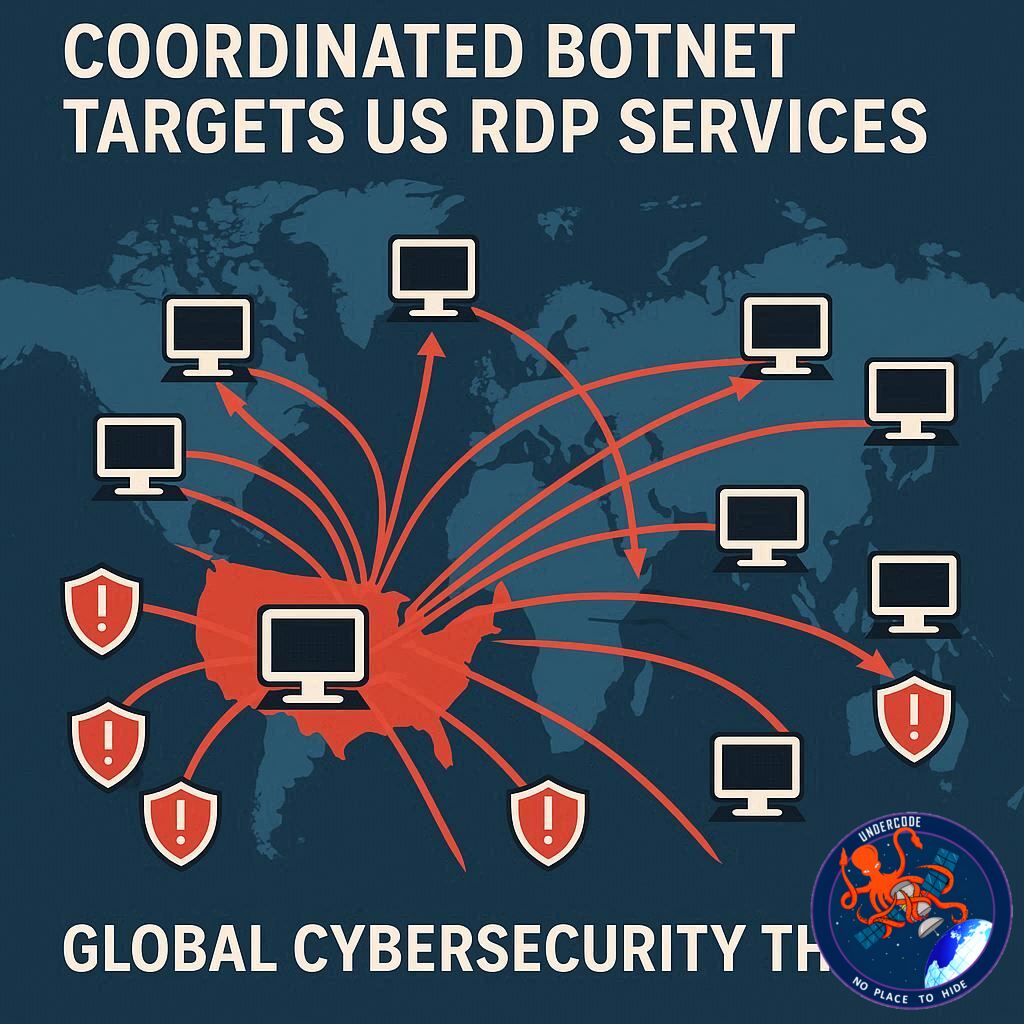
A significant cybersecurity event has unfolded since October 8, 2025, with a large-scale botnet operation targeting Remote Desktop Protocol (RDP) services across the United States. This coordinated campaign involves over 100,000 unique IP addresses from more than 100 countries, including Brazil, Argentina, Iran, China, Mexico, Russia, and South Africa. The attackers are employing two primary techniques: RD Web Access timing attacks and RDP web client login enumeration. The uniformity of the attack patterns and TCP fingerprints suggests a centrally controlled botnet orchestrating these efforts.
What Undercode Says:
This surge in RDP-targeted attacks underscores a troubling trend in cyber threats. While RDP services are essential for remote access and administration, they have become a prime target for cybercriminals due to their widespread use and often inadequate security measures. The use of timing attacks and login enumeration techniques indicates a strategic approach to identify valid usernames, paving the way for subsequent credential-based intrusions.
The global nature of this botnet highlights the increasing sophistication and reach of cybercriminal operations. By leveraging compromised devices worldwide, attackers can launch coordinated campaigns that are challenging to mitigate. The involvement of over 100,000 IP addresses from diverse geographical locations suggests the use of a botnet infrastructure that is both expansive and resilient.
Furthermore, the consistent attack patterns across different regions point to a well-organized operation, possibly managed by a single entity or a coalition of cybercriminal groups. This level of coordination is indicative of a shift from opportunistic attacks to more deliberate and planned cyber offensives.
Organizations relying on RDP services must reassess their security postures. Implementing multi-factor authentication (MFA), employing strong password policies, and monitoring RDP access logs for unusual activities are critical steps in defending against such attacks. Additionally, network segmentation and the use of VPNs can help mitigate the impact of potential breaches.
The persistence and scale of these attacks serve as a stark reminder of the evolving threat landscape. As cybercriminals continue to adapt and innovate, it is imperative for organizations to stay vigilant and proactive in their cybersecurity efforts.
Fact Checker Results:
Source Verification: Multiple reputable cybersecurity platforms, including GreyNoise and BleepingComputer, have corroborated the details of this botnet campaign.
greynoise.io
+1
Technical Accuracy: The described attack vectors—RD Web Access timing attacks and RDP web client login enumeration—are recognized methods for probing RDP services.
Global Participation: The involvement of over 100,000 unique IP addresses from more than 100 countries has been consistently reported across various cybersecurity sources.
Prediction:
Given the current trajectory of these attacks, it is anticipated that cybercriminals will continue to exploit RDP services as a primary vector for unauthorized access. Organizations that fail to implement robust security measures may experience increased incidents of data breaches and ransomware attacks. Furthermore, as the sophistication of these botnets grows, defenders will need to adopt more advanced detection and mitigation strategies to counteract such coordinated campaigns effectively.
🕵️📝✔️Let’s dive deep and fact‑check.
References:
Reported By: x.com
Extra Source Hub (Possible Sources for article):
https://www.quora.com
Wikipedia
OpenAi & Undercode AI
Image Source:
Unsplash
Undercode AI DI v2
Bing
🔐JOIN OUR CYBER WORLD [ CVE News • HackMonitor • UndercodeNews ]
📢 Follow UndercodeNews & Stay Tuned:
𝕏 formerly Twitter 🐦 | @ Threads | 🔗 Linkedin | 🦋BlueSky | 🐘Mastodon


