
Listen to this Post
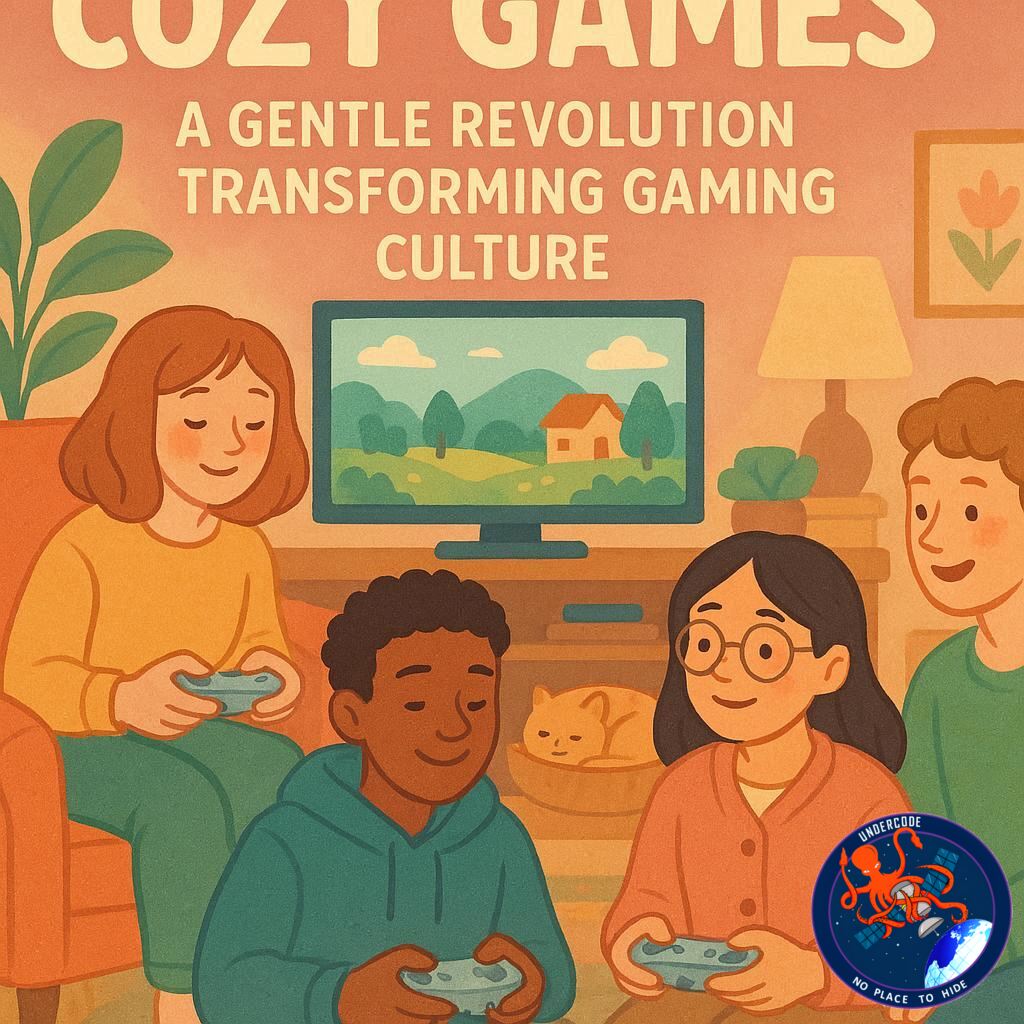
A New Wave of Comfort in Gaming
In an industry often dominated by fast-paced shooters, adrenaline-fueled action titles, and competitive online arenas, a quieter movement has been steadily gaining ground. Cozy games — gentle, low-pressure experiences like Stardew Valley and Animal Crossing — are offering players something radically different: a place to breathe, connect, and simply exist without judgment. What started as a niche sub-genre has now become a cultural force, creating communities where comfort and inclusivity are more valuable than high scores or speed runs.
The Rise of Cozy Gaming Communities
For Dutch developer Wiandi Vreeswijk, cozy games became more than entertainment — they became a lifeline. After contracting COVID-19 in 2023 and developing long-term symptoms, Wiandi could no longer keep up with the high-energy lifestyle he once enjoyed. Traditional video games, too demanding on his energy, no longer fit into his daily routine. Instead, he discovered a digital sanctuary in cozy games, particularly Stardew Valley.
These games provided him with something more than simple tasks like farming or fishing; they provided connection. Through Steam and Discord, Wiandi created spaces where people — many of whom were also living with chronic illnesses — could gather, play, and share experiences. His server, which began as a small Dutch community, soon expanded internationally, bringing together dozens of players who bonded over slow-paced digital routines and shared vulnerability.
Shared Solace in Virtual Worlds
Accessibility consultant and author Laura Dale found similar comfort in cozy games, particularly during the pandemic lockdowns. For her and her neurodivergent friends, playing Animal Crossing became more than a pastime — it became a structured way to maintain friendships. Unlike open-ended social chatter, cozy games provided a focal point, allowing conversations to flow naturally.
The magic of these games lies in their low-pressure design. Players don’t need to perform perfectly, react quickly, or master complex mechanics. Instead, they can immerse themselves in soothing environments, repetitive but satisfying tasks, and the freedom to play at their own pace. This simplicity also makes cozy games uniquely accessible for a wide range of players, from beginners to those with conditions like ADHD or autism, where reminders and structured play help maintain focus and enjoyment.
Why Cozy Games Work for So Many
The defining traits of cozy games — gentle pacing, minimal mechanics, calm visuals, and non-intrusive sound design — all serve a deeper purpose. They reduce overstimulation and lower barriers to entry, creating experiences that are welcoming to players often left out of traditional gaming spaces. Even the fixed camera angles common in titles like Stardew Valley help avoid motion sickness, a subtle but powerful inclusion for players sensitive to rapid screen movements.
But accessibility isn’t universal. As journalist Grant Stoner points out, cozy games are not inherently more accessible for everyone. Living with Spinal Muscular Atrophy, he relies on customizable hardware and settings to play, and while he acknowledges the value of cozy titles, he admits they’re not his personal preference. His point underscores a vital truth: accessibility is individual, and no single genre can meet every need.
The Growing Need for Inclusive Design
Laura Dale highlights the importance of design choices that benefit neurodivergent players, such as replacing audio cues with visual indicators to reduce overstimulation. While these small changes may seem subtle, they can transform a game into a safe space for players who might otherwise feel excluded.
For Wiandi, Laura, and countless others, cozy games aren’t just about farming digital crops or decorating virtual homes. They are about belonging, safety, and the ability to connect with others in a world that sometimes feels overwhelming. As the gaming industry evolves, the success of cozy games proves there is immense demand for experiences that prioritize empathy over intensity.
What Undercode Say:
Cozy games are not just a genre; they are a quiet rebellion against the dominant culture of hyper-competition in gaming. They reshape the medium by offering something the industry often neglects: emotional refuge.
The rise of cozy communities like Wiandi’s is a powerful example of how digital spaces can become safe havens for marginalized or struggling groups. These communities show that video games aren’t simply entertainment but social architecture — tools for building bonds across distances and conditions.
From a design perspective, cozy games highlight the growing necessity of accessibility-first development. Features such as adjustable difficulty, sensory-friendly cues, and clear task reminders aren’t just luxuries; they are essential design practices that open gaming to millions of people who were once left out. Developers who embrace these principles aren’t merely making better cozy games — they are laying the groundwork for a more inclusive industry overall.
Another striking aspect is how cozy games transform the concept of productivity in gaming. Where traditional games reward mastery, victory, and progress, cozy games reward presence. Planting crops, customizing homes, or fishing may not advance a “win state,” but they provide satisfaction and fulfillment, blurring the lines between play and mindful living. In a world increasingly marked by stress, this slow gaming revolution feels less like an escape and more like a survival tool.
However, it is worth acknowledging that cozy games are not universally loved. Some players, like Grant Stoner, find them dull compared to action-heavy experiences. This demonstrates that cozy gaming isn’t about replacing mainstream titles but complementing them. Their rise proves the diversity of gamer needs and desires, pushing the industry toward broader inclusivity rather than homogenization.
From an economic perspective, cozy games are also quietly reshaping the market. Low-budget, indie-developed titles like Stardew Valley and Animal Crossing generate enormous cultural impact with relatively minimal resources compared to AAA blockbusters. Their success challenges the assumption that only massive, high-stakes projects can capture wide audiences.
In short, cozy games aren’t just a genre — they are a philosophy. They represent a cultural shift toward games as tools for healing, connection, and empathy. If the industry takes these lessons seriously, the future of gaming could be one where accessibility and emotional well-being are no longer side features but central design pillars.
Fact Checker Results
✅ Cozy games like Stardew Valley and Animal Crossing are increasingly popular, with online mentions growing 57% in one year.
✅ They offer accessibility advantages for neurodiverse and chronically ill players, though not universally.
❌ They are not a one-size-fits-all solution, as accessibility needs vary widely.
Prediction
Cozy games will continue to expand as both a genre and a cultural movement. Within the next decade, major studios are likely to integrate cozy design principles into mainstream titles, while indie developers will push the boundaries of accessibility and emotional storytelling. Expect to see hybrid genres — part cozy, part action — that balance calm, community-driven play with traditional gaming intensity. 🌱🎮
🕵️📝✔️Let’s dive deep and fact‑check.
References:
Reported By: blog.mozilla.org
Extra Source Hub:
https://www.pinterest.com
Wikipedia
OpenAi & Undercode AI
Image Source:
Unsplash
Undercode AI DI v2
🔐JOIN OUR CYBER WORLD [ CVE News • HackMonitor • UndercodeNews ]
📢 Follow UndercodeNews & Stay Tuned:
𝕏 formerly Twitter 🐦 | @ Threads | 🔗 Linkedin | 🦋BlueSky | 🐘Mastodon


