
Listen to this Post
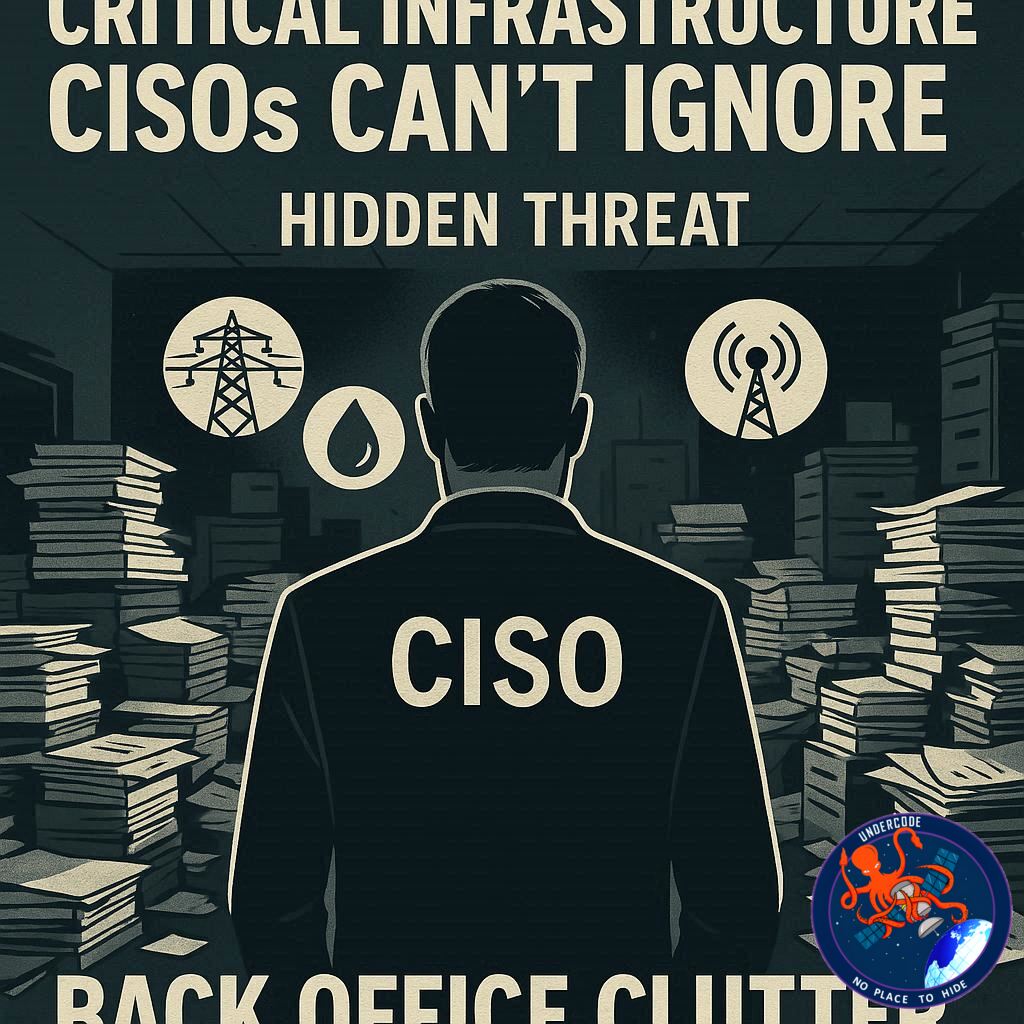
In the world of critical infrastructure, the spotlight often falls on operational technology (OT) and industrial control systems (ICS) as the prime targets for cyberattacks. Yet, lurking quietly behind the scenes, another threat is growing—one that CISOs can no longer afford to overlook. Everyday collaboration platforms like SharePoint, Google Drive, Teams, Slack, Box, and traditional file shares, often dismissed as mere “back-office clutter,” have become a goldmine for sophisticated threat actors. These under-monitored systems, packed with sensitive data and operational details, are emerging as a preferred playground for nation-state actors and ransomware groups.
The Hidden Goldmine in Collaboration Platforms
Critical infrastructure organizations have long invested in securing PLCs, segmenting control networks, and safeguarding OT and ICS environments. While these remain essential, the explosive growth of unmonitored collaboration tools has introduced an equally urgent security challenge. These platforms are ubiquitous, easy to use, and integrated into daily workflows—making them indispensable for operations but equally irresistible to attackers. Information flows freely, yet oversight rarely keeps pace, allowing sensitive documents to proliferate across multiple formats—CAD files, PDFs, spreadsheets, and chat logs—often hiding in metadata or neglected corners of enterprise systems.
Consider a utility company serving millions: its collaboration ecosystem may contain engineering CAD drawings, substation layouts, SCADA runbooks, GIS maps, regulatory filings, HR data, financial contracts, and even network diagrams. To a determined adversary, this sprawling dataset is not mere clutter—it is a blueprint of the enterprise, exposing critical processes and personally identifiable information alike.
Campaigns such as Volt Typhoon have shown that attackers are increasingly leveraging the very tools employees rely on. By exploiting under-governed platforms like SharePoint or Teams, adversaries can map environments, extract sensitive details, and pivot toward high-value targets, all without triggering conventional OT or ICS defenses.
Several risk patterns stand out across critical infrastructure organizations:
External exposure via oversharing: stale guest links or misconfigured permissions that allow unauthorized access.
Mixing OT data with general-purpose sites: SCADA diagrams or system layouts sitting alongside everyday documents.
Regulatory and audit sprawl: scattered compliance evidence reduces defensibility and increases attack surface.
Secrets in documents: passwords, API keys, or tokens left in spreadsheets or exports.
Bulk exfiltration potential: synchronization tools make it trivial to download massive datasets unnoticed.
The emergence of generative AI compounds the problem. AI can automate reconnaissance, mine unstructured documents and metadata, and chain actions across platforms faster than any human defender, effectively weaponizing enterprise data sprawl. For CISOs, this signals a turning point: back-office data is no longer ancillary—it is a frontline security concern.
What Undercode Say: The Strategic Imperative for CISOs
Critical infrastructure organizations must pivot from traditional OT-focused security to a holistic, enterprise-wide approach that treats collaboration platforms as high-risk zones. Data sprawl in back-office systems is not accidental—it is a structural vulnerability created by convenience and operational friction. Left unaddressed, it enables nation-state actors and sophisticated ransomware groups to execute reconnaissance with minimal exposure, giving them a strategic advantage over defenders.
From a defensive perspective, the first step is visibility. Organizations need continuous monitoring and classification of enterprise data across all collaboration tools. Automated detection of sensitive content, outdated guest access, and cross-platform data flows is essential to identify high-risk areas before they are exploited. Integrating this monitoring with a zero-trust framework ensures that even if data is exposed, lateral movement by an adversary is minimized.
Next, governance and operational hygiene are critical. Defining clear data ownership, retention policies, and access controls reduces accidental exposure. Segregating OT and ICS documentation from general collaboration tools ensures that operational blueprints do not mix with routine business data. Regular audits, coupled with AI-assisted risk analysis, can provide early warning of emerging vulnerabilities.
Moreover, training and awareness remain central. Employees are the first line of defense. Without understanding how everyday document-sharing practices can be weaponized, staff may inadvertently create the very paths that attackers exploit. Embedding security awareness into collaboration workflows—such as automatic warnings about sharing sensitive documents externally—reinforces protective behaviors while keeping operations smooth.
Finally, strategic anticipation of adversaries’ methods is crucial. Nation-state campaigns are patient and methodical. They exploit predictability and gaps in oversight. By recognizing that back-office data is a potential target, CISOs can proactively simulate attack scenarios, prioritize high-risk datasets, and allocate defensive resources accordingly. The convergence of sprawling collaboration platforms and AI-driven attacks demands that defensive strategies evolve faster than ever.
Ultimately, CISOs must embrace the reality that securing critical infrastructure extends beyond firewalls, ICS segmentation, and patching schedules. It requires a paradigm shift that treats “back-office clutter” as the crown jewels of intelligence that attackers covet. Those who ignore this risk may find that their most overlooked systems become the gateway for disruption.
🔍 Fact Checker Results
✅ Collaboration platforms like SharePoint, Teams, and Google Drive contain sensitive enterprise data.
✅ Nation-state actors such as Volt Typhoon have exploited under-governed collaboration tools.
❌ Traditional OT and ICS defenses alone cannot prevent attacks via unmonitored back-office systems.
📊 Prediction
Expect a surge in AI-assisted reconnaissance campaigns targeting unstructured data in enterprise collaboration tools. 🛡️ Organizations that implement automated monitoring, zero-trust segmentation, and cross-platform governance will dramatically reduce risk exposure. Failure to act will see “back-office clutter” become a preferred battlefield for state-sponsored cyber adversaries, potentially leading to more impactful and rapid attacks on critical infrastructure. ⚡
🕵️📝✔️Let’s dive deep and fact‑check.
References:
Reported By: www.darkreading.com
Extra Source Hub (Possible Sources for article):
https://stackoverflow.com
Wikipedia
OpenAi & Undercode AI
Image Source:
Unsplash
Undercode AI DI v2
Bing
🔐JOIN OUR CYBER WORLD [ CVE News • HackMonitor • UndercodeNews ]
📢 Follow UndercodeNews & Stay Tuned:
𝕏 formerly Twitter 🐦 | @ Threads | 🔗 Linkedin | 🦋BlueSky | 🐘Mastodon


