
Listen to this Post
Introduction
In an astonishing twist, a cyberattack on the
the Incident
Last month, Dutch authorities confirmed that OM, the official body responsible for prosecuting criminal cases, had been compromised by hackers. Following suspicions of unauthorized access, reportedly through Citrix device vulnerabilities, the organization made the drastic decision to disconnect its systems from the internet on July 17.
The move prevented further infiltration but paralyzed several key services. Employees could only communicate via internal email, forcing external communications back to old-fashioned methods like postal mail and hand-delivered paperwork. Court cases faced significant delays, with lawyers hauling stacks of physical documents into hearings — a scenario that many described as chaotic and inefficient.
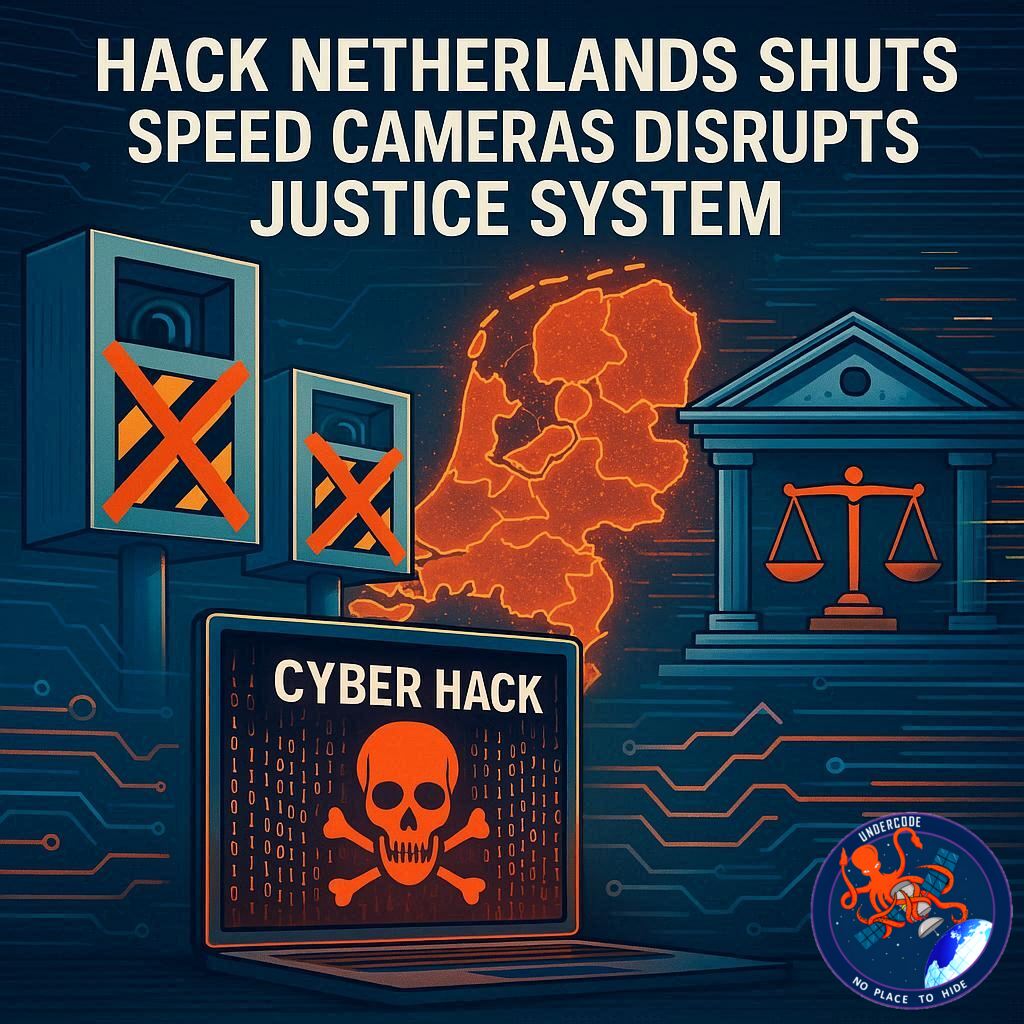
A particularly unexpected outcome was the shutdown of speed cameras. Fixed cameras, average speed check systems, and portable units became useless once they lost their digital link to OM’s systems. Ironically, the only unaffected devices were cameras designed to detect drivers using mobile phones.
Officials like Marthyne Kunst from the crisis team acknowledged the frustration: the hack slowed legal proceedings and obstructed road safety enforcement. While cybercriminals might relish the disruption and reckless drivers may enjoy temporary leniency, the public is left with heightened risks on the streets.
The broader lesson here is alarming: cyberattacks don’t just compromise sensitive data — they can cripple infrastructure, paralyze justice systems, and even endanger lives. What began as a security breach ended up disabling road safety measures, a stark warning for governments worldwide.
What Undercode Say: 🔍
The hack on the Netherlands’ prosecution service serves as a case study of how deeply intertwined digital and physical systems have become. The fallout reveals multiple layers of vulnerability that extend well beyond lost files or delayed court sessions.
1. A Weak Link in Cybersecurity
The suspected entry point — Citrix devices — has long been flagged for security flaws. Many institutions underestimate the risks of outdated software or delayed patching. OM’s failure to safeguard this layer exposed the fragility of a critical justice system.
2. Domino Effect on Public Infrastructure
This wasn’t a direct attack on traffic enforcement, yet it managed to paralyze road monitoring nationwide. The incident highlights a dangerous domino effect: one compromised institution can trigger ripple effects across unrelated sectors.
3. Return to a Paper-Based Era
The image of prosecutors printing and mailing documents in 2025 illustrates how quickly digital-first systems collapse without secure foundations. It demonstrates a lack of resilience planning — no functional backup mechanisms were in place to maintain essential services.
4. Road Safety Sacrificed
The non-functioning cameras created a temporary “lawless” road environment. Reckless drivers could exploit the absence of automated checks, raising risks of accidents and fatalities. It reveals how much modern traffic control depends on digital infrastructure.
5. Lessons for Other Nations
Governments worldwide should view this as a wake-up call. Public institutions often prioritize convenience and digital transformation, but without layered cybersecurity, they leave themselves wide open to catastrophic failures.
6. Cybercriminals’ Expanding Reach
Hackers didn’t just freeze files or demand ransom — their attack inadvertently disrupted legal systems and public safety. This evolution shows cybercrime’s growing power to affect everyday life, far beyond stolen data.
7. The Trust Crisis
When a justice system can’t function securely, public confidence erodes. Citizens may begin questioning whether their government can truly protect sensitive systems or enforce laws effectively.
8. The Real Hidden Cost
The financial toll of the hack is significant — downtime, court delays, and compromised law enforcement all translate into millions in damages. But the intangible costs, such as public trust and safety risks, may prove even greater.
9. Cybersecurity as National Security
This breach underlines that cybersecurity isn’t just an IT issue — it’s a matter of national security. A hacker’s keyboard stroke can now cause as much disruption as physical sabotage.
10. Looking Forward
The Netherlands incident will likely trigger reforms in digital infrastructure resilience. Other countries should proactively audit their systems before facing a similar crisis.
Fact Checker Results ✅❌
✅ Verified: The Public Prosecution Service disconnected systems after suspected Citrix vulnerabilities.
✅ Verified: Speed cameras, except mobile phone detection cameras, were impacted.
❌ Misinformation: No evidence suggests hackers directly controlled or disabled cameras. The outage was a side effect.
Prediction 🔮
In the coming years, cyberattacks will increasingly affect public infrastructure — from traffic management to healthcare and even energy grids. Nations that fail to invest heavily in cybersecurity resilience will face not just data breaches, but real-world dangers: law enforcement blind spots, delayed emergency responses, and potential threats to human lives.
🕵️📝✔️Let’s dive deep and fact‑check.
References:
Reported By: www.bitdefender.com
Extra Source Hub:
https://www.quora.com/topic/Technology
Wikipedia
OpenAi & Undercode AI
Image Source:
Unsplash
Undercode AI DI v2
🔐JOIN OUR CYBER WORLD [ CVE News • HackMonitor • UndercodeNews ]
📢 Follow UndercodeNews & Stay Tuned:
𝕏 formerly Twitter 🐦 | @ Threads | 🔗 Linkedin | 🦋BlueSky | 🐘Mastodon


