
Listen to this Post
Introduction
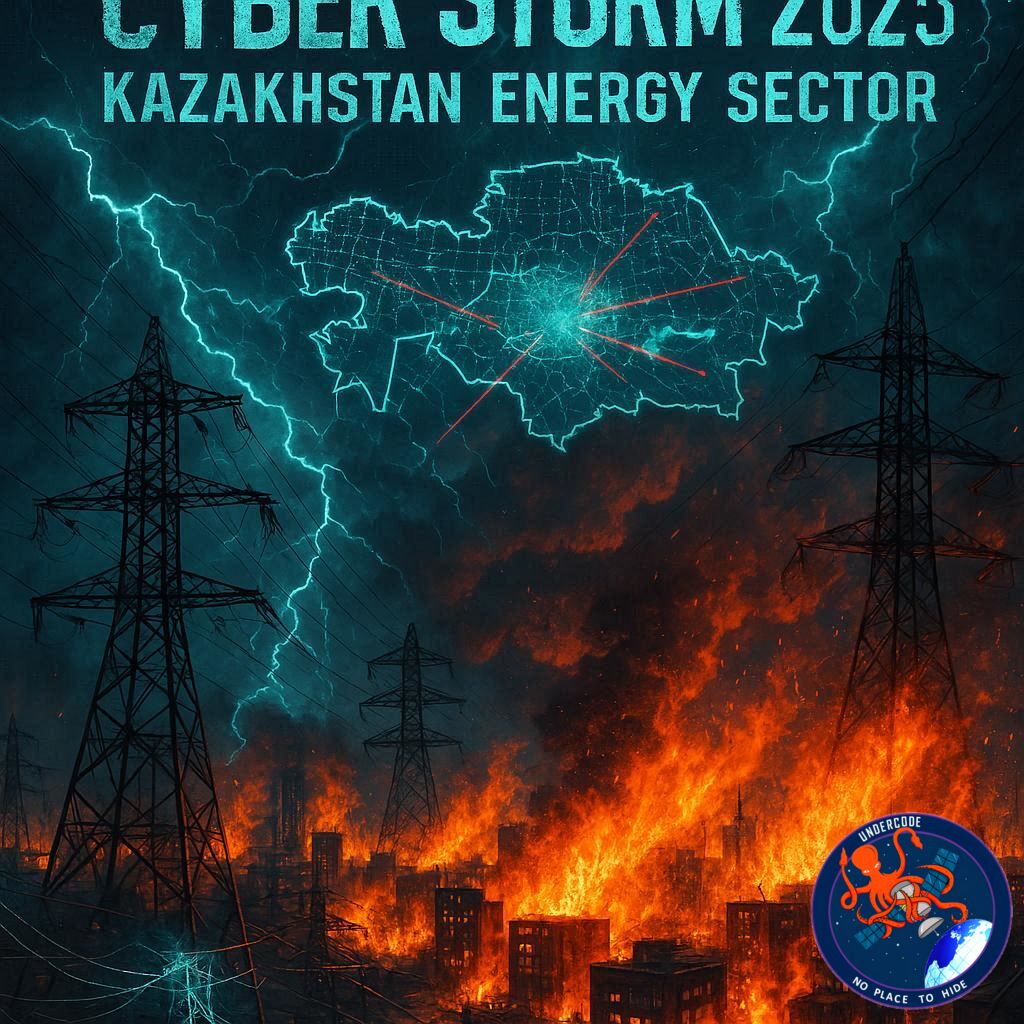
In 2025, the digital battlefield has shifted sharply toward the energy sector, government institutions, and critical industries across Eastern Europe and Central Asia. A newly identified campaign called Operation BarrelFire is targeting Kazakhstan’s energy giant, KazMunaiGas (KMG), using sophisticated phishing lures and malware chains. The group behind this, dubbed Noisy Bear, is suspected of Russian origin and has been active since at least April 2025. But Kazakhstan is not alone — similar cyber offensives are also striking Poland, Ukraine, and even Russia itself. These attacks reveal how cyber warfare is blurring lines between state interests, cybercrime, and espionage.
Operation BarrelFire and Beyond: The Full Picture
A new threat actor, named Noisy Bear, is carrying out coordinated cyberattacks against Kazakhstan’s state-owned oil and gas company KazMunaiGas. Starting in April 2025, the group has distributed phishing emails disguised as internal memos, including fake IT policies, certification updates, and salary adjustments.
The emails, sent from a compromised KMG finance department account, contained malicious ZIP attachments with a shortcut (LNK) file, a decoy document, and a README in Russian and Kazakh. Once opened, the LNK dropped further malware, including a batch script that launched DOWNSHELL, a PowerShell-based loader, before deploying a DLL implant capable of executing reverse shells.
Analysis revealed that the infrastructure is hosted on Aeza Group, a Russian bulletproof hosting provider sanctioned by the U.S. in July 2025 for enabling cybercrime.
Parallel to BarrelFire, other campaigns are unfolding:
Ghostwriter (UNC1151): Linked to Belarus, targeting Ukraine and Poland with macro-laced Excel files, CAB archives, and Cobalt Strike beacons for deep system compromise.
OldGremlin: A Russia-based extortion gang attacking its own country’s industrial giants using phishing, vulnerable driver exploits (BYOVD), and malicious Node.js scripts.
Phantom Stealer: A stealer derived from Stealerium, capable of webcam spying, porn-detection modules, and sextortion campaigns.
Mobile Malware Masquerade: Android backdoors disguised as FSB or Central Bank apps, exfiltrating SMS, location, camera feeds, and keystrokes from Russian users.
The cyber landscape in 2025 shows mutual digital hostilities: while Russian-linked groups attack neighbors, Russian enterprises are simultaneously being targeted by independent cybercriminals and rival actors.
What Undercode Say:
Analyzing the digital conflict, several key trends emerge:
1. Energy Sector as a Prime Target
Energy companies like KMG are at the heart of national security and economic stability. By targeting them, attackers gain leverage in political negotiations, access to financial systems, and potential disruption of supply chains.
2. Russia’s Dual Role in Cyber Conflicts
Russia appears both as a suspected aggressor and a victim. On one hand, groups like Noisy Bear and Ghostwriter launch external attacks. On the other, gangs like OldGremlin and PhantomCore exploit Russian companies for extortion. This duality signals a fragmented cyber ecosystem, where some groups are state-aligned while others act independently for profit.
3. Phishing Remains the Entry Point
Despite advanced malware, phishing emails are still the weakest human link. Whether disguised as salary updates in Kazakhstan or adult-content baits in Russia, attackers know psychological manipulation works better than brute force.
4. Use of Bulletproof Hosting and Cloud Services
The reliance on Aeza Group and even platforms like Slack for command-and-control (C2) highlights how attackers blend into legitimate infrastructure, making attribution harder and takedowns slower.
5. Stealer Malware Evolution
Phantom Stealer’s sextortion functionality is a chilling reminder of how cybercrime merges financial motives with personal exploitation. The transition from stealing passwords to capturing webcam images reveals an escalation in psychological warfare.
6. Mobile as the Next Battlefield
The emergence of fake antivirus apps impersonating the FSB demonstrates how cybercriminals are weaponizing trust. As Russians rely on mobile banking and messaging, smartphones have become the new front line of espionage and data theft.
7. Geopolitical Ripples
Kazakhstan’s strategic energy resources, Ukraine’s ongoing conflict, and Poland’s NATO membership show why these countries are being targeted. Attacks are not random — they are cyber power plays with real-world political weight.
8. Future Risks
If such campaigns escalate, we could see sabotage beyond data theft — power grid manipulation, oil production halts, or banking system crashes. These would not just harm companies but could trigger economic and political crises.
✅ Fact Checker Results
Noisy Bear attacks against Kazakhstan’s KMG are confirmed by Seqrite Labs.
Aeza Group’s role as a bulletproof host sanctioned in July 2025 is verified.
Ghostwriter and OldGremlin activities have been independently documented by HarfangLab and Kaspersky.
🔮 Prediction
Looking ahead, energy infrastructure will remain the number one target for cyber actors, with attackers increasingly combining phishing, mobile malware, and cloud-based C2 tactics. We can expect a wave of hybrid operations, where espionage, extortion, and sabotage converge, leaving no nation immune — not even Russia itself.
🕵️📝✔️Let’s dive deep and fact‑check.
References:
Reported By: thehackernews.com
Extra Source Hub:
https://www.github.com
Wikipedia
OpenAi & Undercode AI
Image Source:
Unsplash
Undercode AI DI v2
🔐JOIN OUR CYBER WORLD [ CVE News • HackMonitor • UndercodeNews ]
📢 Follow UndercodeNews & Stay Tuned:
𝕏 formerly Twitter 🐦 | @ Threads | 🔗 Linkedin | 🦋BlueSky | 🐘Mastodon


