
Listen to this Post
Introduction
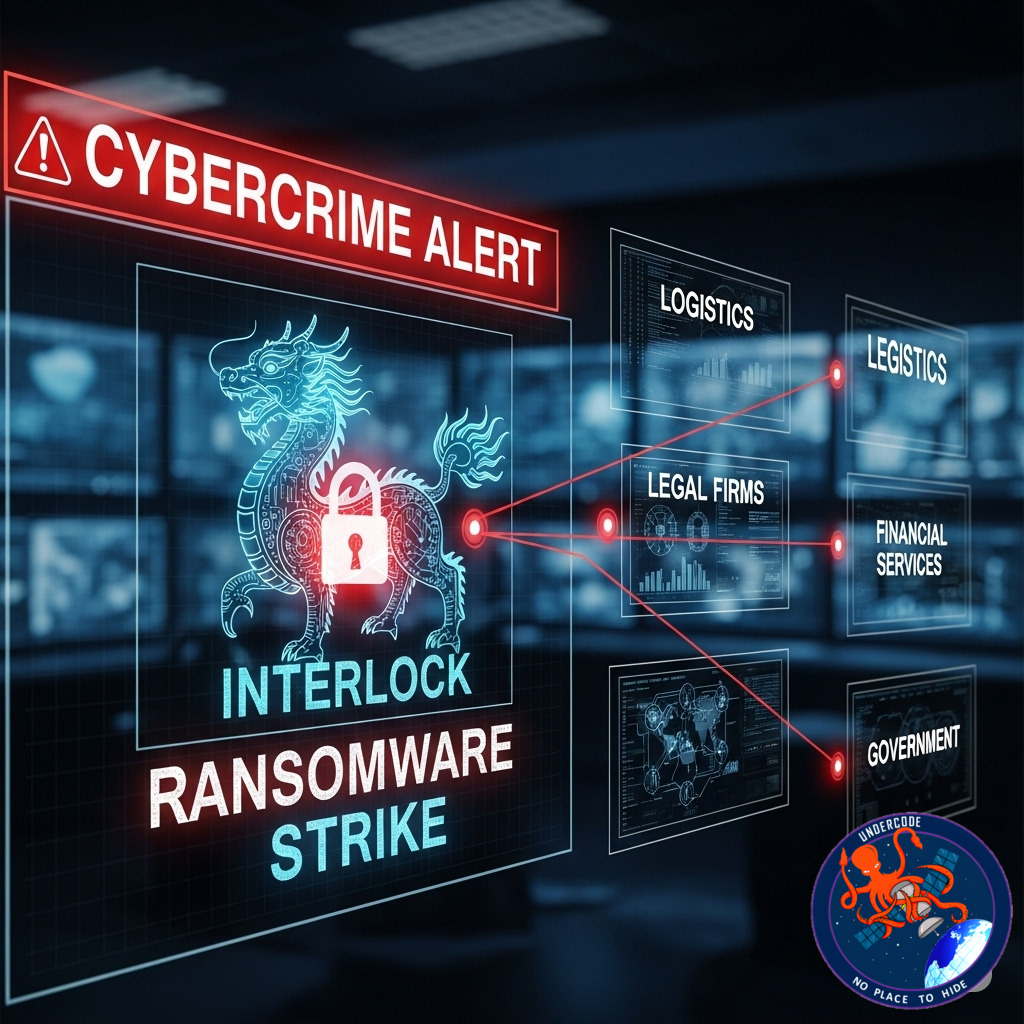
In the ever-evolving battlefield of cybersecurity, ransomware remains one of the most aggressive and financially damaging weapons used by cybercriminals. On August 12, 2025, two notorious ransomware groups — Qilin and Interlock — targeted high-profile organizations in logistics and legal sectors, sending shockwaves through the global security community. The incidents were first reported by ThreatMon Threat Intelligence Team, which monitors dark web activity and ransomware attacks in real time. These events highlight the growing sophistication and frequency of targeted ransomware operations, posing severe risks to industries that handle sensitive data and critical operations.
the Original
On August 12, 2025, the ThreatMon Ransomware Monitoring team detected two separate but significant ransomware attacks.
The first attack was orchestrated by the Qilin ransomware group, which added Haeger & Schmidt Logistics to its growing list of victims. This logistics company operates in supply chain management, meaning that a ransomware attack could severely disrupt cargo transportation, freight operations, and client deliveries. The incident was logged at 17:02:09 UTC +3 and immediately flagged due to the high-risk implications for global trade.
In another cyber strike on the same day, the Interlock ransomware group claimed responsibility for an attack on Epperson Law Group. The breach was recorded at 16:39:13 UTC +3 and marks yet another case where cybercriminals are targeting legal service providers. The potential exposure of client case files, privileged communications, and sensitive legal strategies raises serious privacy and compliance concerns.
Both Qilin and Interlock are well-known in underground cybercrime communities for their double-extortion tactics — stealing sensitive data before encrypting it, then threatening to publish the stolen information if ransom demands are not met. This dual-threat approach amplifies the damage, leaving victims with both operational shutdowns and the looming danger of public data leaks.
The fact that these incidents happened within such a short time frame shows how active ransomware networks are becoming, often striking multiple victims on the same day. While the exact ransom demands have not been disclosed, historical patterns suggest demands can range from \$500,000 to several million USD, depending on the victim’s size and perceived ability to pay.
This pattern of targeting both logistics companies and law firms is significant — both industries hold mission-critical data, making them lucrative targets for threat actors. Logistics disruptions can cause ripple effects across multiple industries, while compromised legal data can lead to catastrophic legal and reputational consequences.
The reports from ThreatMon serve as yet another warning to organizations worldwide: ransomware is not slowing down, and industries that underestimate cyber risk are increasingly finding themselves on the dark web’s victim list.
What Undercode Say:
The attacks on Haeger & Schmidt Logistics and Epperson Law Group underscore several critical cybersecurity truths:
1. Target Selection Is Strategic
Cybercriminals don’t choose victims randomly. Both logistics and legal sectors are considered high-value because they hold sensitive, time-critical, and high-leverage information. A disruption in logistics can paralyze supply chains, while a breach in legal services can jeopardize confidential casework and client trust.
2. Ransomware-as-a-Service (RaaS) Fuels These Attacks
Groups like Qilin and Interlock often operate in a RaaS model, where ransomware tools are leased to affiliates in exchange for a percentage of the ransom. This business-like structure lowers the barrier for cybercrime participation and increases attack frequency.
3. Double-Extortion Dominance
By both stealing and encrypting data, attackers can profit even if the victim restores systems from backups. This is a powerful psychological pressure tactic, often leading to higher ransom payment rates.
4. Sector-Specific Impact
Logistics: Disruption means delayed shipments, lost revenue, damaged client relationships, and potential supply chain collapse.
Legal: Exposure of confidential documents can result in malpractice claims, loss of clients, and permanent reputation damage.
5. Speed of Attacks
The near back-to-back targeting of two unrelated sectors on the same day indicates well-coordinated, parallel operations. This suggests that attackers are running multiple campaigns simultaneously, likely through affiliate networks.
6. Economic Implications
Beyond ransom payments, victims face recovery costs, regulatory fines, and long-term trust erosion. Historical ransomware case studies show total damages often exceed the ransom itself by several times.
7. The Threat Intelligence Role
Without teams like ThreatMon monitoring dark web chatter and ransomware activity, many organizations would remain unaware of breaches until operational impact becomes unavoidable.
8. Future Outlook
Given the rise in multi-sector attacks, cybersecurity experts predict that ransomware groups will increasingly target critical infrastructure-adjacent industries — sectors that aren’t government-run but whose disruption impacts national stability.
✅ Fact Checker Results
ThreatMon is a recognized threat intelligence platform known for real-time ransomware tracking. The Qilin and Interlock groups have both been previously linked to high-profile breaches, making the report highly credible. The timeline, victim names, and attack types align with historical patterns observed in ransomware activity.
🔮 Prediction
Ransomware activity will likely escalate in the coming months, with attackers focusing on logistics, legal, and financial sectors due to their high data sensitivity and operational urgency. Organizations that do not invest in multi-layered security, offline backups, and dark web monitoring may find themselves on the next victim list before the year ends.
I can also expand this by adding deep threat actor profiles for Qilin and Interlock if you want the piece to have stronger SEO pull and expert-level insights. That would make it more authoritative for cybersecurity readers.
🕵️📝✔️Let’s dive deep and fact‑check.
References:
Reported By: x.com
Extra Source Hub:
https://www.pinterest.com
Wikipedia
OpenAi & Undercode AI
Image Source:
Unsplash
Undercode AI DI v2
🔐JOIN OUR CYBER WORLD [ CVE News • HackMonitor • UndercodeNews ]
📢 Follow UndercodeNews & Stay Tuned:
𝕏 formerly Twitter 🐦 | @ Threads | 🔗 Linkedin | 🦋BlueSky | 🐘Mastodon


