
Listen to this Post
Introduction
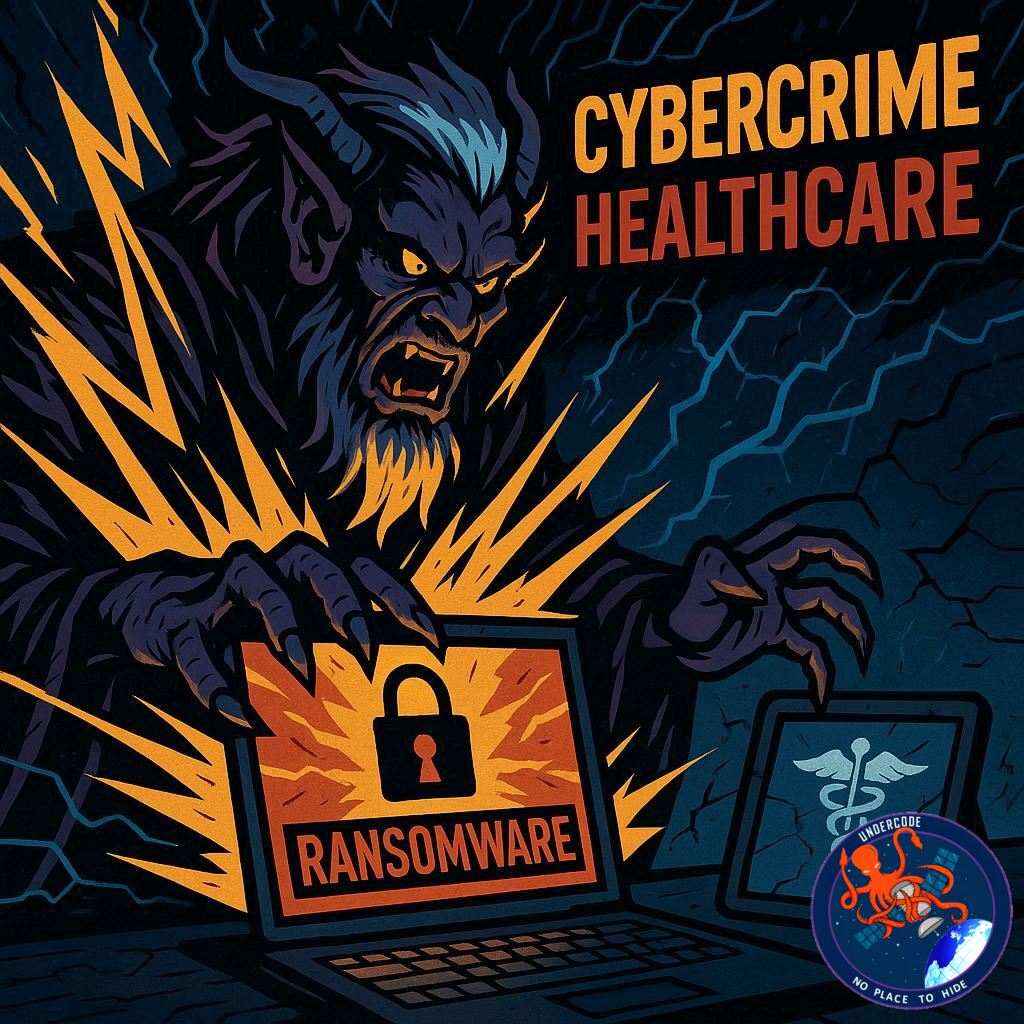
The rise of ransomware groups continues to shake industries worldwide, and the latest wave of attacks highlights just how dangerous the dark web ecosystem has become. Recent reports from ThreatMon Threat Intelligence reveal that notorious ransomware actors “Beast” and “Warlock” have launched fresh assaults against organizations, targeting sensitive sectors like healthcare and technology. These attacks not only compromise data but also threaten operational stability, patient safety, and digital trust. Let’s break down what happened, what it means, and what experts are warning about in the growing ransomware landscape.
Reported Incidents
The ThreatMon Ransomware Monitoring Team reported two major incidents on August 17, 2025:
The first involved the “Beast” ransomware group, which claimed responsibility for attacking Rehabilitative Health Services, a healthcare organization. The timing of this attack raises major alarms, as healthcare providers are prime targets due to their reliance on uninterrupted access to sensitive patient records and clinical systems.
The second incident featured the “Warlock” ransomware group, which listed NSZI among its latest victims. Although fewer details were disclosed, the activity signals that Warlock remains active and is expanding its list of targeted organizations.
Both attacks were detected through Dark Web monitoring and flagged as part of ongoing ransomware surveillance. These incidents highlight the relentless pace of cybercrime and the growing threat intelligence challenge for businesses trying to stay ahead.
Healthcare systems, in particular, face heightened risk. They hold valuable medical and personal data that can be exploited for financial extortion, identity theft, or underground sales. The addition of “Rehabilitative Health Svc” to the Beast victim list illustrates the sector’s vulnerability. On the other hand, Warlock’s attack on NSZI shows that the group is casting a wider net, potentially targeting companies for financial gain or strategic data theft.
ThreatMon’s real-time monitoring of ransomware actors provides critical visibility, but the broader question remains: are organizations truly prepared to withstand these aggressive waves of cyber extortion? The recent events underscore the urgent need for cyber resilience, incident response planning, and dark web intelligence integration into corporate security strategies.
What Undercode Say:
When analyzing ransomware activity from groups like Beast and Warlock, several patterns and risks emerge that deserve closer examination.
Healthcare’s High-Value Targeting
Healthcare providers are one of the most attractive victims for ransomware actors. Patient records contain financial, medical, and identity-rich data, giving attackers leverage in negotiations. Beyond data theft, locked systems can disrupt surgeries, treatments, and emergency care, placing lives at risk.
The Rise of Dark Web Marketplaces
Both incidents confirm that ransomware groups thrive within the dark web economy, where stolen data, access credentials, and ransom demands circulate. These forums not only facilitate attacks but also enable collaboration between different criminal groups.
Beast’s Aggressive Playbook
The “Beast” group has gained notoriety for direct attacks on healthcare. Their strategy appears calculated: target institutions that cannot afford downtime. This maximizes pressure on victims to pay ransoms quickly.
Warlock’s Expanding Reach
The “Warlock” gang is less predictable but equally dangerous. By targeting NSZI, they show flexibility and opportunism. While Beast focuses on healthcare, Warlock seems intent on broader disruption.
Psychological Warfare
Ransomware groups don’t just encrypt files; they often publish victim names on dark web “leak sites” to embarrass companies and scare others into compliance. The inclusion of victims like Rehabilitative Health Svc is a deliberate scare tactic.
The Ripple Effect on Trust
Cyberattacks on healthcare can erode public trust. Patients may hesitate to share personal information, and institutions face reputational damage long after systems are restored.
The Global Escalation
These incidents are not isolated. They tie into a larger pattern of cybercrime globalization, where actors from different countries coordinate attacks, exchange tools, and share stolen data.
Mitigation and Defense
Organizations can no longer treat cybersecurity as optional. The key defense mechanisms include:
Regular data backups stored offline.
Employee training to resist phishing, a common entry point.
Multi-factor authentication (MFA) to limit unauthorized access.
Real-time monitoring powered by AI and threat intelligence feeds.
Policy and Law Enforcement Gaps
Governments struggle to keep pace. Ransomware often originates from jurisdictions with weak cybercrime laws, limiting prosecution. International cooperation remains fragmented, giving actors like Beast and Warlock space to operate.
Economic Impact
The financial damage from ransomware extends beyond ransom payments. Downtime, system rebuilds, legal fees, and regulatory penalties can cost victims millions. Healthcare facilities, already strained by budgets, are particularly vulnerable.
The Need for Cyber Insurance
As attacks surge, companies increasingly seek cyber insurance. However, premiums are skyrocketing, and insurers are tightening conditions, making coverage harder to obtain.
Future Landscape
If trends continue, ransomware groups will evolve into cartel-like structures, sharing resources and exploiting global instability. Victims will face higher ransom demands and more sophisticated extortion tactics, including threats to release data even if payments are made.
✅ Fact Checker Results
The incidents reported by ThreatMon are consistent with verified ransomware monitoring feeds. Both Beast and Warlock are recognized active groups, and their victim disclosures match common dark web activity patterns.
🔮 Prediction
Ransomware attacks on healthcare and tech will intensify in late 2025, with Beast likely focusing heavily on hospitals and rehabilitation centers, while Warlock diversifies across industries. Unless organizations rapidly adopt advanced security frameworks, the dark web economy will continue to thrive, fueling even more destructive cyberattacks.
🕵️📝✔️Let’s dive deep and fact‑check.
References:
Reported By: x.com
Extra Source Hub:
https://www.quora.com/topic/Technology
Wikipedia
OpenAi & Undercode AI
Image Source:
Unsplash
Undercode AI DI v2
🔐JOIN OUR CYBER WORLD [ CVE News • HackMonitor • UndercodeNews ]
📢 Follow UndercodeNews & Stay Tuned:
𝕏 formerly Twitter 🐦 | @ Threads | 🔗 Linkedin | 🦋BlueSky | 🐘Mastodon


