
Listen to this Post
Introduction
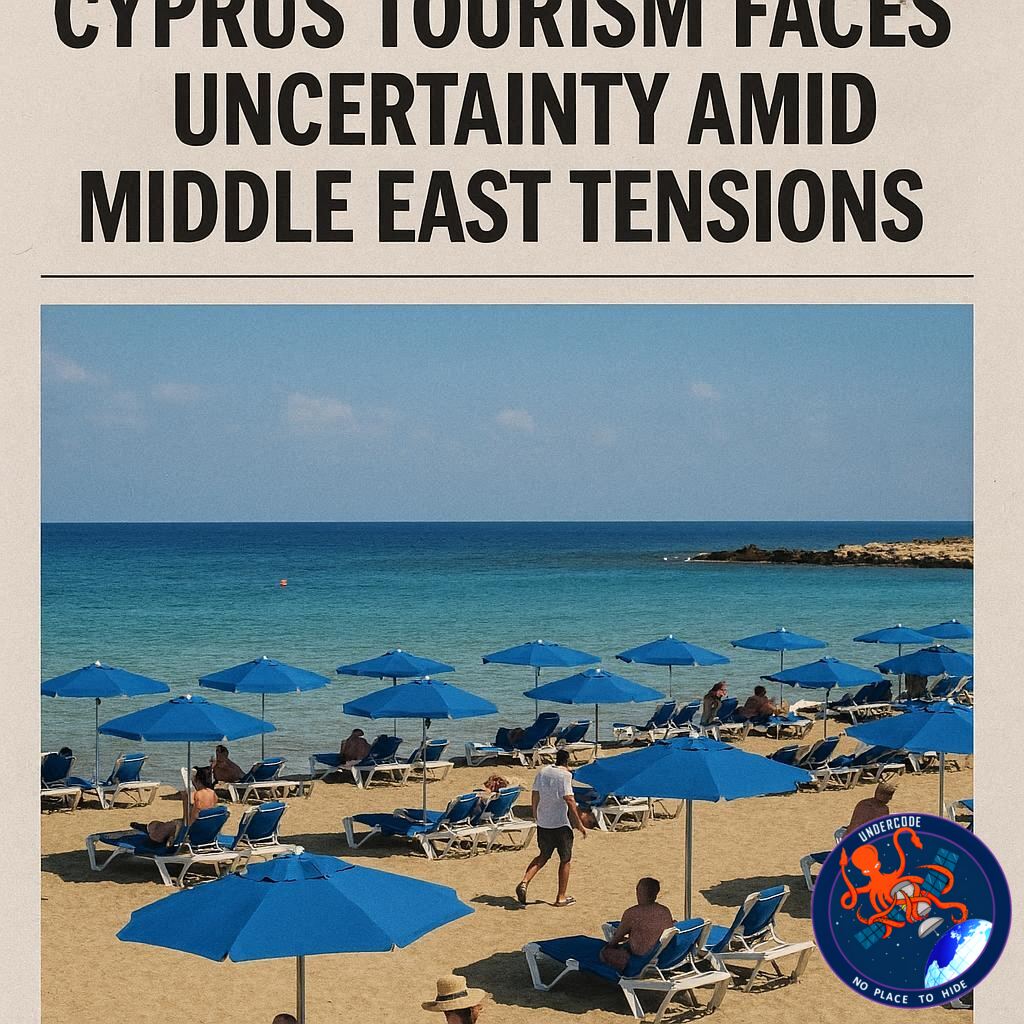
Cyprus, long celebrated as a sun-soaked paradise for European and Middle Eastern travelers, is now confronting the ripple effects of escalating tensions in the Middle East. Although flights to and from the island are largely operating normally, a wave of cancellations has emerged as tourists reassess their travel plans. The sudden regional instability has cast a shadow over Cyprus’ booming tourism sector, raising concerns for operators and travelers alike.
Tourism Slowdown Despite Safety Assurances
Cyprus’ Tourism Deputy Minister, Costas Koumis, acknowledged a “slowdown in bookings” following the recent US-Israel strike on Iran. Speaking at the Cyprus Marathon on March 8, Koumis emphasized that Cyprus “was, is, and will always be a safe destination.” However, proximity to the conflict zone—just 320 kilometers from Israel—has made the island particularly vulnerable to travel hesitations. Larnaca to Tel Aviv flights take only about an hour, and in 2025, nearly 590,000 Israeli tourists visited the island.
European Visitors Remain Key
European tourism remains a major pillar of the Cypriot economy. In 2025, 1.44 million British tourists, 277,000 Germans, and nearly 375,000 Poles visited the island, according to CYSTAT. The combination of proximity to the Middle East and reliance on European visitors makes Cyprus’ tourism sector particularly sensitive to geopolitical tensions.
Travel Alerts and Safety Considerations
Travelers are urged to consult their home countries’ foreign ministry advisories. Currently, there are no prohibitions against visiting Cyprus for European nationals. The UK’s FCDO warns that “regional escalation poses significant security risks and has led to travel disruption.” Brits are advised to monitor travel alerts and follow developments in local and international media. The recent drone attack on RAF Akrotiri, the UK’s main Middle East base, underscores potential risks.
Adjustments in Flight Operations
Airlines such as British Airways, TUI, and EasyJet initially canceled flights following the attack but have since resumed operations from Europe. However, flights from the Middle East—including Haifa, Tel Aviv, Beirut, Dubai, Doha, and Amman—are still experiencing cancellations.
Drone Ban Introduced
In response to safety concerns, Cyprus has imposed a ban on private drone use. Only government agencies are permitted to operate drones, and the ban will remain until further notice. Tourists should adjust plans accordingly.
Impact on Local Businesses
Tourism operators are already feeling the financial pinch. Sophia Efthymiou, owner of Saaiman Stays, reported 50 nights canceled by 13 guests in the past week, reducing her projected income by at least 35% for the month. Despite a moderate cancellation policy allowing refunds if decisions were delayed, guests opted for immediate cancellations, reflecting public unease. Some property owners are now considering long-term rentals to mitigate risk.
Record Tourism Year Faces Challenge
Cyprus recently celebrated a record-breaking year, with 4.53 million visitors in 2025, marking a 12.2% increase from 2024. This sudden wave of cancellations threatens to disrupt the momentum and highlights how quickly geopolitical developments can impact the island’s economy.
What Undercode Says:
Regional Proximity Intensifies Impact
Cyprus’ geographic closeness to Israel amplifies the perception of risk, even when direct danger to tourists is minimal. Short flight times and historical connections with Middle Eastern tourists mean that news of regional escalation resonates immediately with potential visitors.
Economic Vulnerability of Tourism-Dependent Sectors
Short-term rental operators like Saaiman Stays illustrate the financial fragility of Cyprus’ tourism-dependent economy. A 35% drop in projected monthly income demonstrates how even minor cancellations can significantly affect cash flow for small businesses.
Psychological Factors in Travel Decisions
Tourist behavior during geopolitical tensions often reflects a risk-averse mindset. Even with no formal travel warnings, cancellations occur due to perceived threats, media coverage, and international advisory updates.
Flight Operations and Logistics Challenges
While European flights have resumed, ongoing Middle Eastern cancellations disrupt international connectivity. Airlines may need to adjust scheduling, staffing, and pricing to manage fluctuating demand, which could influence long-term travel patterns.
Regulatory Adjustments Affect Tourist Experience
The drone ban represents a regulatory response to security risks. While government operations are unaffected, recreational and professional drone operators face limitations, reducing some of the appeal for tech-savvy or hobbyist tourists.
Long-Term Tourism Strategy Considerations
Operators may shift toward long-term rentals or domestic tourism promotions to stabilize revenue streams. Diversification and contingency planning will become crucial as Cyprus navigates the delicate balance between safety perception and tourist confidence.
Potential Spillover from Regional Conflict
Though Cyprus remains safe, media focus on regional conflicts and attacks, such as the RAF Akrotiri drone strike, may continue to deter short-term visitors. Managing perception through marketing and safety assurances will be key.
European Market Dependence
With British tourists forming the largest group of visitors, Cyprus is highly exposed to UK travel advisories and media sentiment. Strategic partnerships with other European markets could help buffer sudden disruptions.
Insurance and Travel Advisory Influence
Travelers increasingly rely on insurance and official advisories to make booking decisions. Clear communication from authorities and operators about safety protocols can help retain confidence in the short term.
Sectoral Ripple Effects
Cancellations impact not only accommodation providers but also restaurants, tour operators, and retail businesses. A short-term dip could ripple across the economy, emphasizing the interconnectedness of Cyprus’ tourism ecosystem.
Importance of Timely Government Messaging
Proactive government communication, emphasizing safety measures and monitoring regional developments, can reduce uncertainty and support continued tourism. Delays or missteps in messaging may exacerbate cancellations.
Market Recovery Potential
Assuming regional tensions stabilize, Cyprus could experience a rebound in bookings, especially from European markets seeking sunny destinations. Early incentives, flexible policies, and targeted marketing may accelerate recovery.
Historical Resilience
Cyprus’ tourism industry has demonstrated resilience after past geopolitical concerns, suggesting potential to weather temporary declines. Maintaining confidence is critical to sustaining long-term growth.
Technological Adaptation in Tourism
Digital monitoring of bookings, cancellations, and visitor sentiment can help operators respond dynamically to shifting demand patterns, minimizing revenue loss.
Balancing Perception and Reality
Authorities and operators must navigate the delicate line between accurate risk communication and overemphasis of danger, as both under- and over-reaction can negatively affect tourism.
Infrastructure Readiness
Airports and emergency services must remain prepared for potential surges in demand or operational disruptions, ensuring that safety concerns do not compound traveler anxiety.
Seasonal Travel Dynamics
Peak travel seasons may experience amplified effects from geopolitical tensions, influencing marketing strategies and operational planning for the remainder of 2026.
Public Relations Strategies
Tourism boards may deploy targeted PR campaigns to reinforce Cyprus’ image as a safe and welcoming destination, countering any negative publicity arising from regional events.
Strategic Diversification of Visitor Base
Expanding outreach to non-traditional markets, including Asia and North America, could reduce reliance on European or Israeli visitors, mitigating future geopolitical risks.
Investment in Domestic Tourism
Promoting local tourism and staycations can provide a safety net for operators, preserving revenue during periods of international uncertainty.
Regional Cooperation
Collaborating with neighboring countries for tourism safety protocols may enhance traveler confidence and create a more stable perception of regional security.
Flexibility in Travel Policies
Operators offering flexible cancellations, refunds, and insurance options can retain bookings even amid uncertainty, demonstrating responsiveness to consumer concerns.
🔍 Fact Checker Results
✅ European flights to Cyprus are operating normally, while Middle Eastern routes see cancellations.
✅ Cyprus has implemented a ban on private drones; only government departments may operate drones.
✅ Tourism numbers reached a record 4.53 million visitors in 2025, up 12.2% from the previous year.
📊 Prediction
If the Middle East conflict stabilizes in the coming months, Cyprus is likely to see a gradual recovery in tourism, with European visitors returning first due to proximity and historical travel patterns. Short-term rental operators may pivot to long-term leases temporarily, but the sector’s resilience and strong marketing efforts could restore bookings to pre-conflict levels by late 2026. Long-term strategies focusing on diversification, domestic tourism, and clear safety communication will be pivotal to sustaining growth.
🕵️📝✔️Let’s dive deep and fact‑check.
References:
Reported By: www.euronews.com
Extra Source Hub (Possible Sources for article):
https://www.github.com
Wikipedia
OpenAi & Undercode AI
Image Source:
Unsplash
Undercode AI DI v2
Bing
🔐JOIN OUR CYBER WORLD [ CVE News • HackMonitor • UndercodeNews ]
📢 Follow UndercodeNews & Stay Tuned:
𝕏 formerly Twitter 🐦 | @ Threads | 🔗 Linkedin | 🦋BlueSky | 🐘Mastodon


