
Listen to this Post
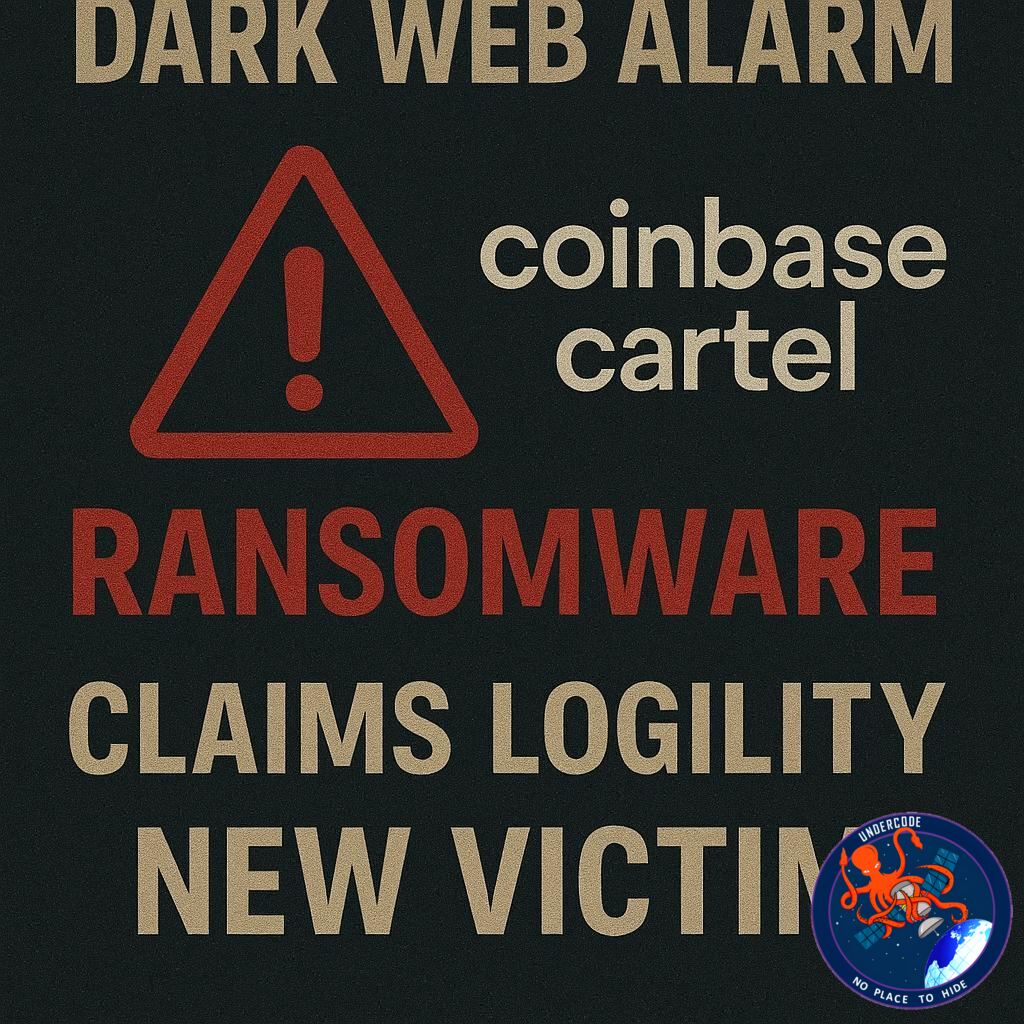
Introduction: A New Name Added to the Dark Web Ransomware Ledger
Ransomware activity continues to escalate across the global cybercrime landscape, and early February 2026 delivered another warning sign. Threat intelligence monitoring indicates that the coinbasecartel ransomware group has publicly listed Logility as a victim on dark web infrastructure. The disclosure, observed by ThreatMon’s Threat Intelligence Team, highlights how organized ransomware operations are maintaining pressure on enterprise software and supply-chain–focused companies, using public shaming tactics to amplify leverage and fear.
the Original Report: What Was Publicly Disclosed
The original report centers on a single but important development in the ransomware ecosystem. According to ThreatMon’s monitoring of dark web ransomware activity, the coinbasecartel group added Logility to its list of claimed victims on February 6, 2026. The detection timestamp points to mid-day activity in UTC+3, with the public mention circulating on social media shortly afterward. The report does not disclose technical indicators of compromise, ransom amounts, or the operational impact on Logility, but it confirms attribution to the coinbasecartel brand based on dark web observations. ThreatMon attributes the finding to its end-to-end threat intelligence platform, which aggregates IOC data, command-and-control intelligence, and underground monitoring. The post gained limited but notable visibility, reinforcing how ransomware groups increasingly rely on exposure rather than secrecy. While details remain sparse, the listing itself suggests either an active extortion attempt or a completed breach where negotiations may already be underway behind closed doors.
What Undercode Say: The Strategic Meaning Behind the coinbasecartel Claim
The appearance of Logility on a dark web victim list is more than a routine ransomware headline; it reflects a broader shift in how ransomware groups operate and communicate. Modern groups like coinbasecartel are less focused on technical bravado and more invested in reputation signaling. By consistently publishing victim names, they aim to build credibility in criminal circles and pressure organizations into quick settlements. Whether the data has been fully exfiltrated or not often becomes secondary to the psychological impact of public exposure.
From an industry perspective, Logility’s profile makes strategic sense for ransomware actors. Companies tied to supply chain planning and enterprise analytics often sit at the crossroads of sensitive operational data, partner integrations, and customer environments. Even limited access can create disproportionate leverage, especially if attackers can credibly claim data theft or service disruption. Ransomware groups understand that for such organizations, reputational damage may be as costly as downtime.
Another important angle is the role of threat intelligence amplification. Groups now rely on platforms like X and Telegram mirrors to ensure their claims spread beyond the dark web. This hybrid visibility blurs the line between underground activity and open-source intelligence, forcing defenders and journalists alike to respond faster, sometimes before full verification is possible. In this environment, speed often beats certainty, which is exactly what ransomware groups exploit.
It is also notable that the report does not mention a ransom note leak, proof-of-data samples, or negotiation deadlines. This could indicate an early-stage extortion attempt, where the public listing is designed to trigger contact from the victim. Alternatively, it may reflect a strategic delay, with the group holding evidence in reserve to escalate pressure later. Both tactics have been observed frequently since late 2024, especially among mid-tier ransomware brands seeking visibility.
Finally, this case reinforces a hard truth: ransomware has matured into a media-aware criminal industry. Attribution today is as much about narrative control as it is about malware payloads. Whether or not Logility confirms the incident publicly, the dark web claim alone already shapes perception among customers, partners, and investors. Silence, in many cases, becomes part of the attacker’s leverage.
🔍 Fact Checker Results
✅ The victim claim originates from dark web ransomware monitoring by ThreatMon.
✅ The actor name coinbasecartel is consistent with observed ransomware branding practices.
❌ No public technical breach details or official confirmation from Logility are available at this time.
📊 Prediction
Ransomware groups like coinbasecartel will increasingly rely on early public victim listings as a pressure tactic, even before negotiations conclude. In the coming months, expect more incidents where attribution appears on the dark web and social platforms long before forensic details emerge, forcing organizations to respond to reputational risk alongside technical containment.
🕵️📝✔️Let’s dive deep and fact‑check.
References:
Reported By: x.com
Extra Source Hub (Possible Sources for article):
https://www.facebook.com
Wikipedia
OpenAi & Undercode AI
Image Source:
Unsplash
Undercode AI DI v2
Bing
🔐JOIN OUR CYBER WORLD [ CVE News • HackMonitor • UndercodeNews ]
📢 Follow UndercodeNews & Stay Tuned:
𝕏 formerly Twitter 🐦 | @ Threads | 🔗 Linkedin | 🦋BlueSky | 🐘Mastodon


