
Listen to this Post
Introduction
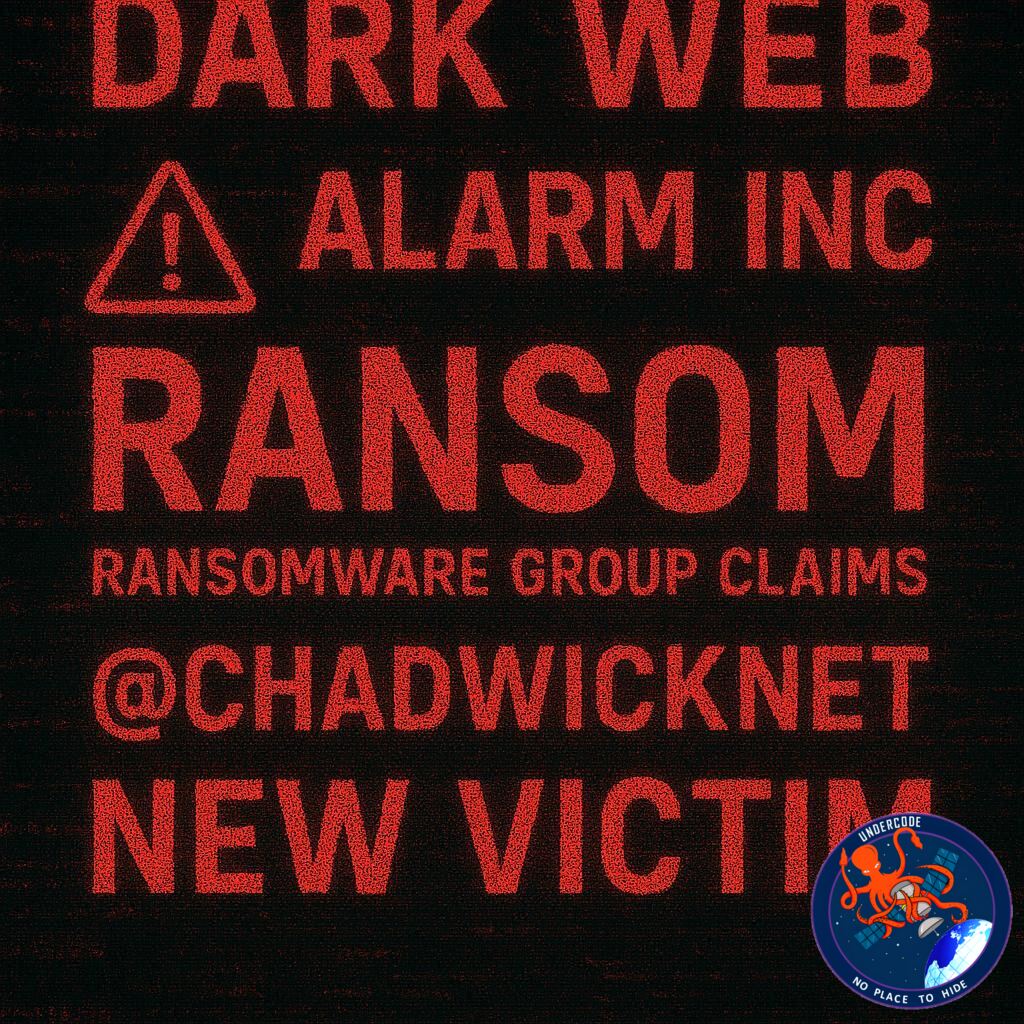
A fresh alert from the cybercrime underground is raising concerns across the cybersecurity community. Threat intelligence monitors have detected activity on dark web ransomware forums indicating that the Incransom ransomware group has allegedly added atchadwick.net to its growing list of victims. While details remain limited, the claim highlights once again how quickly cybercriminal groups broadcast their operations to pressure victims and signal dominance to rivals.
the Original Report
Threat intelligence analysts at ThreatMon identified new dark web ransomware activity linked to the Incransom group in the early hours of February 12, 2026. According to the detection, the group publicly listed atchadwick.net as a victim on its leak infrastructure, a common tactic used by ransomware gangs to intimidate organizations into paying extortion demands. The activity was timestamped at 05:38:55 UTC +3 and later surfaced on social media through a brief alert noting the association between the actor and the victim domain. No technical indicators, ransom amount, or confirmation of data exfiltration were disclosed in the initial notice. The report emphasizes attribution rather than impact, focusing on the visibility of the claim rather than verified damage. As with many dark web disclosures, the post serves more as a signal of intent and reputation-building than as a detailed incident report. The mention of ThreatMon’s end-to-end threat intelligence platform suggests the information was derived from monitoring ransomware leak sites, forums, and associated command-and-control indicators. At this stage, the claim remains an unverified assertion originating from criminal channels, with no public acknowledgment from the alleged victim.
What Undercode Say:
The appearance of atchadwick.net on an Incransom leak list fits a well-worn ransomware playbook, but that does not make it insignificant. Modern ransomware groups operate less like shadowy hackers and more like media-savvy pressure machines. Posting a victim’s name on the dark web is often the opening move, designed to create urgency, reputational fear, and leverage before negotiations even begin. In many cases, the listing appears before any data dump, serving as a warning shot rather than proof of compromise.
Incransom itself is part of a broader ecosystem of ransomware brands that thrive on visibility. The more frequently a name circulates on threat feeds and social platforms, the more credible and dangerous the group appears to potential victims. This reputational economy explains why some groups exaggerate claims or list targets prematurely. For defenders and journalists alike, the challenge is separating signal from noise without downplaying real risk.
From an operational perspective, the lack of published indicators of compromise or leaked samples suggests one of three scenarios: negotiations may be ongoing, the attack may be opportunistic and shallow, or the claim could be inflated to boost the group’s profile. None of these options are comforting. Even an unconfirmed listing can trigger legal reviews, incident response costs, and customer anxiety for the named organization.
This incident also reinforces the growing role of third-party threat intelligence platforms. Groups like ThreatMon act as early warning systems, but their alerts should be treated as starting points for investigation, not final verdicts. Dark web monitoring is inherently asymmetrical: criminals control the narrative, timing, and evidence they release. That imbalance means organizations must prepare for reputational fallout even before technical confirmation is available.
More broadly, the case underscores how ransomware has evolved into a psychological and information warfare problem as much as a technical one. The real damage often begins the moment a victim’s name appears on a leak site, regardless of whether files are ultimately published. In that sense, visibility itself becomes the weapon.
Fact Checker Results
The claim originates from dark web ransomware monitoring and has not been independently verified by the alleged victim. There is no public evidence of leaked data or confirmed system compromise at this time. Attribution to Incransom is based on self-reported criminal listings, which can be misleading or exaggerated.
Prediction
If the pattern holds, Incransom may escalate by releasing sample data or issuing countdown threats to increase pressure. If no follow-up occurs, the listing may quietly disappear, suggesting failed negotiations or a weak intrusion. Either way, similar dark web disclosures are likely to increase as ransomware groups compete for attention and leverage in 2026.
🕵️📝✔️Let’s dive deep and fact‑check.
References:
Reported By: x.com
Extra Source Hub (Possible Sources for article):
https://www.linkedin.com
Wikipedia
OpenAi & Undercode AI
Image Source:
Unsplash
Undercode AI DI v2
Bing
🔐JOIN OUR CYBER WORLD [ CVE News • HackMonitor • UndercodeNews ]
📢 Follow UndercodeNews & Stay Tuned:
𝕏 formerly Twitter 🐦 | @ Threads | 🔗 Linkedin | 🦋BlueSky | 🐘Mastodon


