
Listen to this Post
Introduction: A Tale of Two Cybersecurity Realities
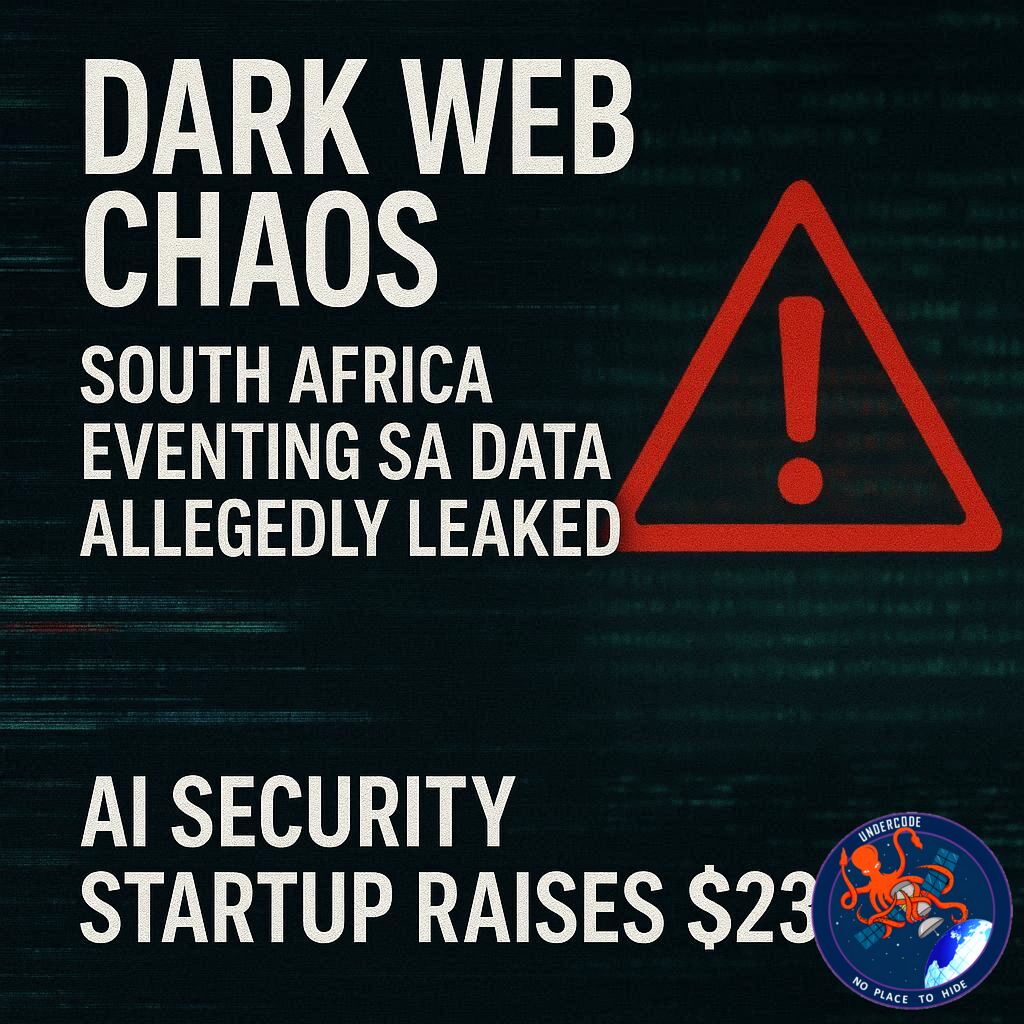
Cybersecurity headlines this week highlight a sharp contrast between failure and innovation. On one side, Eventing South Africa is facing serious allegations after its database reportedly surfaced on a dark web forum, exposing sensitive member information. On the other, a U.S.-based startup named Aisy has emerged from stealth mode with fresh funding, promising a smarter, AI-driven approach to vulnerability management. Together, these developments paint a revealing picture of where global cybersecurity is breaking down—and where it may be heading next.
the Original Report
Eventing South Africa, a prominent organization in the country’s equestrian sports ecosystem, was allegedly hit by a major data breach. According to claims circulating on a dark web forum and amplified by cybersecurity monitoring accounts, the leaked database contains highly sensitive member information. This reportedly includes full names, email addresses, login credentials, and even payment-related data.
If verified, such a breach could have serious consequences for affected members, ranging from credential stuffing attacks to financial fraud and long-term identity theft. The allegation underscores a recurring issue in breaches tied to community organizations and non-tech institutions: cybersecurity often takes a back seat to operational priorities until an incident occurs.
At the same time, another cybersecurity-related story gained traction. Aisy, a U.S.-based startup, announced it has raised $2.3 million in seed funding. The company positions itself as a next-generation vulnerability management platform powered by artificial intelligence. Unlike traditional tools that flood security teams with alerts, Aisy claims to think like an attacker—analyzing systems from an adversarial perspective and prioritizing the vulnerabilities that truly matter.
The juxtaposition is striking. While one organization is allegedly dealing with the fallout of exposed credentials and payment data, another is pitching a future where AI helps prevent exactly these kinds of incidents by cutting through noise and focusing remediation efforts on the most exploitable weaknesses.
What Undercode Say:
The alleged Eventing South Africa leak is a textbook example of how smaller or niche organizations are becoming prime targets—or easy victims—in today’s threat landscape. Attackers no longer focus exclusively on large enterprises. Instead, they increasingly exploit organizations that hold valuable personal data but lack mature security programs, regular audits, or incident response planning.
What makes this case particularly concerning is the nature of the exposed data. Login credentials combined with payment information create a high-risk scenario. Even if financial details are partially masked, reused passwords can open doors to email accounts, banking portals, and social media profiles. In regions where cybersecurity awareness training is inconsistent, the downstream damage can spread far beyond the original breach.
The dark web angle also matters. When data appears on underground forums, it often signals intent to monetize, not just brag. These datasets are frequently repackaged, resold, or bundled with other breaches, making containment nearly impossible once exposure occurs. For Eventing South Africa, transparency, rapid notification, and forced credential resets would be the bare minimum response—assuming the claims are confirmed.
In contrast, Aisy’s emergence highlights a growing shift in how defenders think about security operations. Traditional vulnerability management tools overwhelm teams with thousands of alerts, many of which have little real-world exploitability. This leads to alert fatigue, delayed patching, and ultimately, breaches that could have been prevented.
AI-assisted platforms like Aisy aim to flip that model. By simulating attacker behavior and ranking vulnerabilities based on real risk, they promise to help security teams focus their limited resources where it matters most. If effective, this approach could be especially valuable for mid-sized organizations—the very group most often caught off guard by breaches like the one alleged here.
However, AI is not a silver bullet. Tools are only as good as the data, configurations, and human decisions behind them. Overreliance on automated prioritization without governance can create blind spots. The real lesson from these two stories combined is balance: organizations need both smarter tools and a baseline culture of security hygiene, including encryption, access controls, and regular testing.
🔍 Fact Checker Results
The Eventing South Africa breach is currently based on dark web claims and social media reporting, with no official confirmation released at the time of writing.
The type of data allegedly exposed aligns with common breach patterns seen in under-secured membership platforms.
Aisy’s $2.3 million seed funding announcement is consistent with early-stage cybersecurity startup trends in the U.S. market.
📊 Prediction
If the Eventing South Africa leak is confirmed, regulatory scrutiny and reputational damage are likely to follow, potentially forcing similar organizations to reassess their data protection practices.
AI-driven vulnerability management platforms will continue to attract funding as enterprises seek ways to reduce alert fatigue and breach risk.
Over the next year, the gap between organizations that invest in proactive security and those that do not will become even more visible through incidents like this.
🕵️📝✔️Let’s dive deep and fact‑check.
References:
Reported By: x.com
Extra Source Hub (Possible Sources for article):
https://www.facebook.com
Wikipedia
OpenAi & Undercode AI
Image Source:
Unsplash
Undercode AI DI v2
Bing
🔐JOIN OUR CYBER WORLD [ CVE News • HackMonitor • UndercodeNews ]
📢 Follow UndercodeNews & Stay Tuned:
𝕏 formerly Twitter 🐦 | @ Threads | 🔗 Linkedin | 🦋BlueSky | 🐘Mastodon


