
Listen to this Post
Introduction: A New Flashpoint in the Ransomware Underground
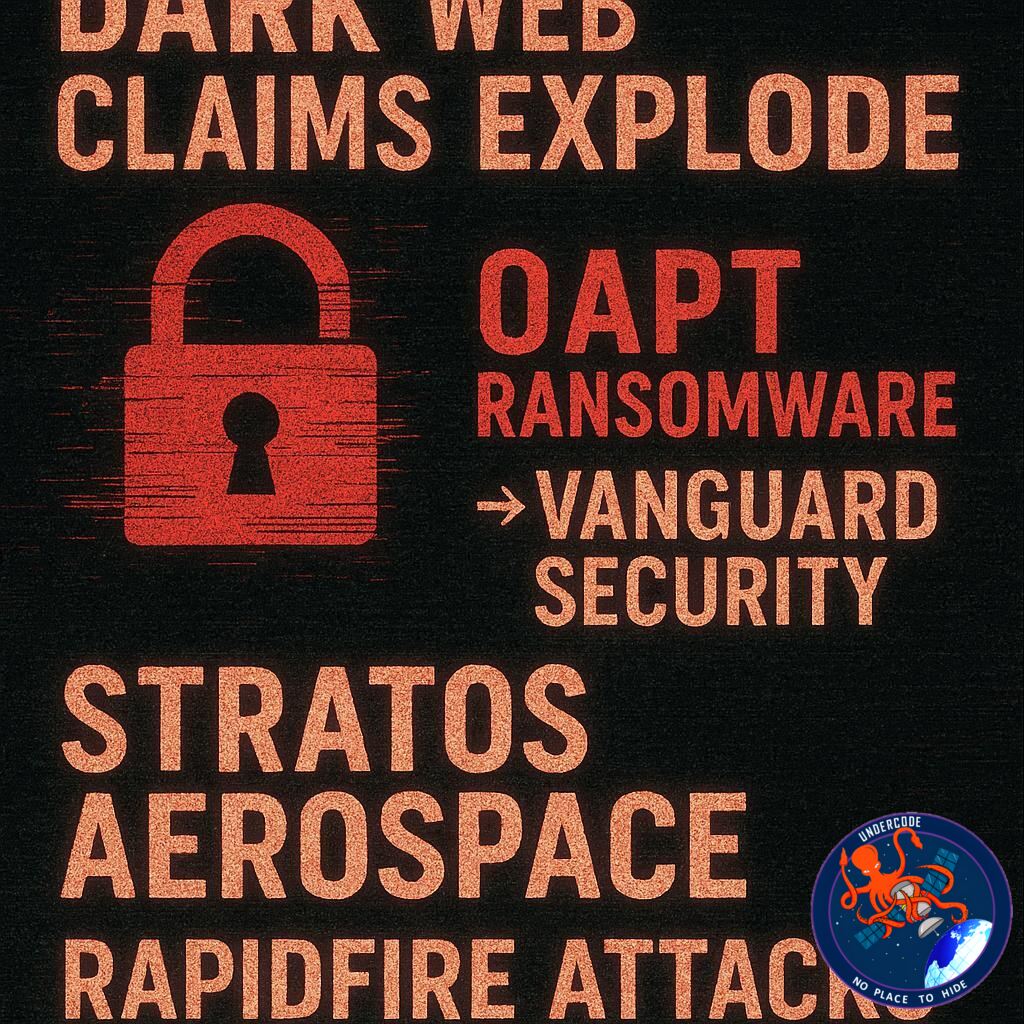
A fresh wave of alleged ransomware activity is rippling across the cybercrime underground, as dark web chatter and threat intelligence monitoring point to two new victims tied to the same actor. According to claims circulating from ransomware leak sources and tracked by ThreatMon’s intelligence team, the group known as 0APT has reportedly added Vanguard Security and Stratos Aerospace to its victim list within minutes of each other. While the details remain limited, the timing and targeting raise serious questions about intent, sector focus, and the broader threat landscape heading into 2026.
the Original Reports: What Was Claimed
The initial alert emerged from monitoring of dark web ransomware activity, where ThreatMon detected posts attributed to the 0APT ransomware group. The first claim named Vanguard Security as a victim, timestamped at 06:03:02 UTC+3 on January 30, 2026. Just one minute earlier, a separate post listed Stratos Aerospace as another alleged victim, suggesting a coordinated disclosure or batch release of victim data.
Timeline of the Alleged Incidents
Both claims appeared publicly at approximately 1:55 AM on January 30, 2026, based on social media aggregation and reposting activity. The near-identical timestamps indicate that the disclosures were likely staged together rather than discovered independently, a common tactic used by ransomware groups to amplify visibility and pressure.
Attribution to the 0APT Ransomware Group
The actor behind these claims, 0APT, is identified in the posts as the responsible ransomware operator. While the name itself suggests advanced persistent threat–style branding, the available information does not yet confirm the group’s technical sophistication or historical success rate. What is clear is that 0APT is actively using public exposure as part of its extortion strategy.
Role of ThreatMon Intelligence Monitoring
The activity was flagged by the ThreatMon Threat Intelligence Team, which specializes in tracking indicators of compromise, command-and-control infrastructure, and dark web ransomware disclosures. Their platform aggregates signals from underground forums and leak sites, allowing early visibility into emerging threats before official confirmations surface.
Sector Implications of the Named Victims
The alleged victims span two sensitive sectors. Vanguard Security, by name alone, suggests involvement in protective or surveillance services, while Stratos Aerospace points toward the aerospace and defense-adjacent industry. If accurate, this pairing hints at a deliberate focus on organizations where operational disruption or data exposure could carry outsized strategic and reputational damage.
Lack of Official Confirmation at This Stage
As of the time of the claims, there were no public breach notifications, regulatory filings, or official statements from either Vanguard Security or Stratos Aerospace. This gap underscores a recurring pattern in ransomware reporting: dark web claims often precede verification, leaving analysts to balance urgency with skepticism.
What Undercode Say:
Reading Between the Lines of Rapid Disclosure
The near-simultaneous listing of two victims strongly suggests a calculated move by 0APT rather than coincidence. Ransomware groups frequently batch announcements to project momentum and credibility, especially when attempting to establish a name or reassert relevance in a crowded threat ecosystem.
Psychological Pressure as a Primary Weapon
By publishing victim names publicly—before negotiations are known to conclude—attackers increase psychological pressure on targets. The implied message is simple: comply quickly, or face prolonged public scrutiny and potential data leaks. This tactic has become more common as organizations grow more resistant to paying ransoms quietly.
Target Selection Signals Strategic Ambition
Security and aerospace-linked entities are not random choices. These sectors often handle sensitive intellectual property, operational schematics, or client data that can be monetized or weaponized through exposure. Even the appearance of compromise can trigger contractual and regulatory consequences, which attackers exploit as leverage.
Dark Web Claims vs. Proven Breaches
It is critical to distinguish between claims and confirmed incidents. Ransomware groups occasionally exaggerate or misattribute victims to boost reputation. However, repeated false claims tend to erode credibility, suggesting that 0APT believes it can substantiate these allegations if challenged.
The Role of Threat Intelligence in Early Warning
Platforms like ThreatMon serve as early-warning radars rather than final arbiters of truth. Their value lies in surfacing potential threats fast, giving defenders a narrow window to investigate, contain, or prepare communications strategies before a story escalates.
Broader Trend: Speed Over Stealth
The speed at which these claims surfaced indicates a shift away from prolonged stealth toward rapid disclosure. In 2026’s ransomware economy, attention is currency. Groups that move fast dominate headlines, even if technical details remain sparse.
Reputational Risk as Collateral Damage
For the alleged victims, the reputational impact may begin long before any forensic conclusions. Clients, partners, and investors often react to headlines first and facts later, making crisis communication as critical as incident response.
Why This Matters Beyond Two Companies
Even if one or both claims prove inaccurate, the episode reflects a wider pattern of aggressive narrative control by ransomware actors. The battlefield is no longer just networks and backups—it is public perception, timing, and media amplification.
Fact Checker Results 🔍
✅ The claims were publicly attributed to dark web ransomware activity monitored by ThreatMon.
❌ There is currently no independent confirmation from the named organizations.
⚠️ The attribution to 0APT remains based on actor self-claim, not external forensic validation.
Prediction 📊
If the pattern holds, 0APT is likely to release additional victim names or proof-of-compromise data in the coming days to reinforce its credibility. Whether or not these specific claims are verified, the rapid, public-first disclosure model will continue to dominate ransomware operations throughout 2026, increasing pressure on organizations to detect, respond, and communicate faster than ever before.
🕵️📝✔️Let’s dive deep and fact‑check.
References:
Reported By: x.com
Extra Source Hub (Possible Sources for article):
https://www.instagram.com
Wikipedia
OpenAi & Undercode AI
Image Source:
Unsplash
Undercode AI DI v2
Bing
🔐JOIN OUR CYBER WORLD [ CVE News • HackMonitor • UndercodeNews ]
📢 Follow UndercodeNews & Stay Tuned:
𝕏 formerly Twitter 🐦 | @ Threads | 🔗 Linkedin | 🦋BlueSky | 🐘Mastodon


