
Listen to this Post
Introduction: A New Wave of Cyber Threats Emerges
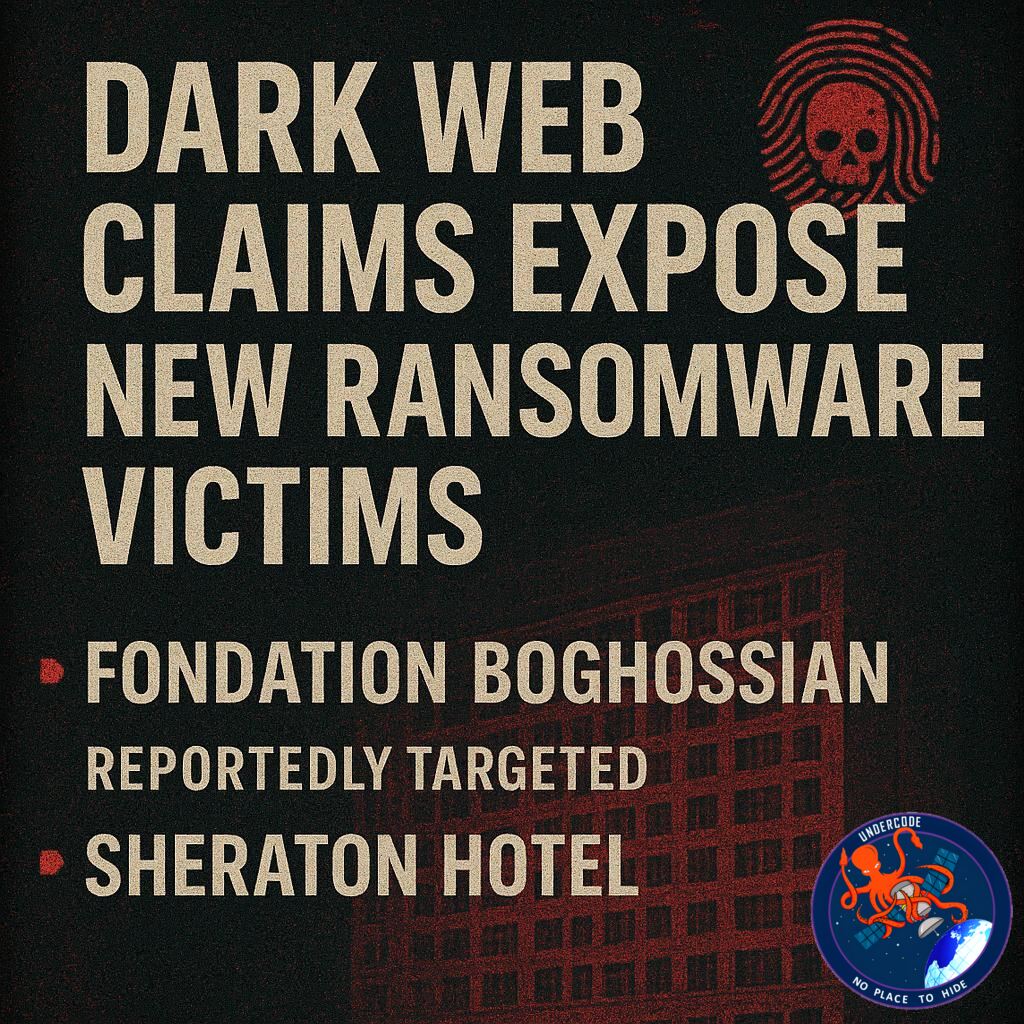
The shadowy world of ransomware continues to evolve at an alarming pace, with new victims surfacing almost daily through dark web disclosures and threat intelligence reports. On March 27, 2026, cybersecurity monitoring sources flagged two notable incidents involving prominent organizations: Fondation Boghossian and Sheraton Hotel. These claims, attributed to ransomware groups “qilin” and “worldleaks,” respectively, highlight the persistent and growing risks organizations face in an increasingly digitized global landscape. While such reports often originate from unofficial or semi-verified channels, they provide a crucial glimpse into the underground cybercrime ecosystem and its targets.
the Original Report
The initial report originates from threat intelligence monitoring activity tracking ransomware operations on the dark web. According to the ThreatMon Threat Intelligence Team, the ransomware group identified as “qilin” has allegedly added Fondation Boghossian to its list of victims. This claim was timestamped on March 27, 2026, at approximately 17:25 UTC+3 and surfaced through monitoring of ransomware leak sites and cybercriminal communication channels.
Fondation Boghossian, known for its cultural and philanthropic activities, appears to have been targeted in what may be a data breach or ransomware attack. Although no detailed technical information or confirmation from the organization itself has been disclosed, the inclusion of its name on a ransomware group’s victim list typically suggests either data exfiltration, system compromise, or both. These listings are often used by cybercriminals to pressure victims into paying ransoms by threatening public data leaks.
In a separate but closely timed incident, another ransomware group named “worldleaks” reportedly targeted Sheraton Hotel. This claim was logged later the same day, at approximately 19:09 UTC+3. Similar to the previous case, the information stems from dark web monitoring rather than official confirmation, but follows a common pattern seen in ransomware campaigns where attackers publicly name victims to increase leverage.
Both incidents were highlighted as part of broader dark web ransomware activity trends detected by ThreatMon. The organization tracks indicators of compromise (IOCs), command-and-control (C2) infrastructure, and public leak site updates to identify emerging threats. These alerts are frequently shared across cybersecurity communities to raise awareness and assist in early response efforts.
The posts reporting these incidents gained limited traction on social media, with relatively low engagement metrics such as views and interactions. However, the significance lies less in public attention and more in the implications for cybersecurity professionals and affected entities.
It is important to note that ransomware groups often exaggerate or fabricate claims to enhance their reputation or pressure victims. Without official confirmation from Fondation Boghossian or Sheraton Hotel, the claims remain unverified. Nonetheless, the pattern of naming victims aligns with known ransomware tactics, suggesting at least a plausible risk scenario.
These developments reflect a broader trend of ransomware actors targeting diverse sectors, including hospitality and cultural institutions. The attackers’ motivations are typically financial, but the impact extends to operational disruption, reputational damage, and potential data privacy violations.
What Undercode Say:
The Growing Sophistication of Ransomware Groups
Ransomware groups like “qilin” and “worldleaks” represent a new generation of cybercriminal organizations that operate with increasing professionalism. These groups often function like businesses, complete with affiliate programs, negotiation teams, and technical specialists. Their ability to target varied sectors indicates advanced reconnaissance capabilities and adaptable attack strategies.
Dark Web Leak Sites as Psychological Weapons
One of the most powerful tools ransomware groups use today is the public exposure of victims through leak sites. By naming organizations such as Fondation Boghossian and Sheraton Hotel, attackers create immediate reputational pressure. Even unverified claims can trigger panic, media attention, and stakeholder concern, which may push victims toward paying ransoms more quickly.
The Risk to Non-Traditional Targets
Historically, ransomware attacks focused on large corporations or critical infrastructure. However, the alleged targeting of a cultural foundation highlights a shift toward softer targets. Organizations that may lack robust cybersecurity frameworks are increasingly becoming attractive to attackers due to their perceived vulnerability.
Hospitality Industry Under Pressure
The mention of Sheraton Hotel in these claims aligns with a broader trend of attacks on the hospitality sector. Hotels store large volumes of sensitive customer data, including payment details and personal identification information. This makes them prime targets for data theft and extortion-based ransomware campaigns.
Intelligence Monitoring as a Double-Edged Sword
Threat intelligence platforms like ThreatMon play a critical role in identifying and reporting cyber threats. However, their reliance on dark web data means that not all reported incidents are confirmed. This creates a complex situation where organizations must balance vigilance with skepticism.
The Challenge of Verification
One of the biggest issues in ransomware reporting is distinguishing between confirmed breaches and unverified claims. Cybercriminal groups have incentives to inflate their success rates. Without direct confirmation from affected organizations, the true impact of these incidents remains uncertain.
The Role of Public Disclosure
Organizations often delay or avoid publicly confirming ransomware attacks due to legal, reputational, and financial concerns. This lack of transparency can make it difficult for external observers to assess the credibility of dark web claims, further complicating the cybersecurity landscape.
Financial Motivations Driving Attacks
At the core of ransomware operations is financial gain. By targeting organizations across different sectors, attackers diversify their revenue streams. The inclusion of both a cultural foundation and a global hotel brand illustrates the broad scope of modern ransomware campaigns.
The Evolution of Cybercrime Branding
Ransomware groups increasingly build recognizable “brands” to establish credibility within the cybercriminal ecosystem. Names like “qilin” and “worldleaks” are part of this strategy, signaling reliability to affiliates and fear to potential victims.
Impact Beyond Immediate Victims
Even unconfirmed reports can have ripple effects. Stakeholders, partners, and customers may react to the news, causing reputational damage and financial consequences. This amplifies the effectiveness of ransomware tactics without requiring immediate proof of compromise.
Defensive Strategies Are Lagging
Despite growing awareness, many organizations still struggle to implement effective cybersecurity defenses. Budget constraints, lack of expertise, and outdated systems contribute to vulnerabilities that ransomware groups exploit.
The Importance of Incident Response Planning
Organizations must prepare for the possibility of being named in a ransomware leak, whether or not the claim is valid. Having a clear incident response plan can mitigate damage and ensure a coordinated reaction to potential threats.
Regulatory and Legal Implications
Data breaches involving personal information can trigger regulatory consequences, particularly under strict data protection laws. Even the possibility of a breach can lead to investigations and compliance challenges.
Media Amplification of Cyber Threats
Reports like these often gain traction through social media and cybersecurity channels. While this increases awareness, it can also spread unverified information, complicating the narrative around cybersecurity incidents.
Long-Term Trends in Ransomware Activity
The incidents involving Fondation Boghossian and Sheraton Hotel reflect a continuing trend of widespread ransomware activity. As attackers refine their methods, organizations must adapt quickly to stay ahead of evolving threats.
🔍 Fact Checker Results
Verification Status of Claims
❌ The ransomware claims involving Fondation Boghossian and Sheraton Hotel remain unconfirmed by official sources.
Reliability of Source
⚠️ Threat intelligence platforms rely on dark web monitoring, which may include unverified or exaggerated information.
Consistency with Known Patterns
✅ The tactics described align with established ransomware behaviors, including public victim listing and extortion strategies.
📊 Prediction
Future of Ransomware Targeting
Ransomware groups will continue expanding their target range, increasingly focusing on smaller or less-protected organizations alongside major corporations.
Rise of Public Leak Pressure
Public naming tactics will become even more aggressive, with attackers leveraging media amplification to force quicker ransom payments.
Increased Demand for Cyber Resilience
Organizations across all sectors will face growing pressure to invest in cybersecurity infrastructure, incident response planning, and threat intelligence integration to counter evolving risks.
🕵️📝✔️Let’s dive deep and fact‑check.
References:
Reported By: x.com
Extra Source Hub (Possible Sources for article):
https://www.stackexchange.com
Wikipedia
OpenAi & Undercode AI
Image Source:
Unsplash
Undercode AI DI v2
Bing
🔐JOIN OUR CYBER WORLD [ CVE News • HackMonitor • UndercodeNews ]
📢 Follow UndercodeNews & Stay Tuned:
𝕏 formerly Twitter 🐦 | @ Threads | 🔗 Linkedin | 🦋BlueSky | 🐘Mastodon


