
Listen to this Post
 Introduction: A Fresh Dark Web Signal Shakes the Cybersecurity Landscape
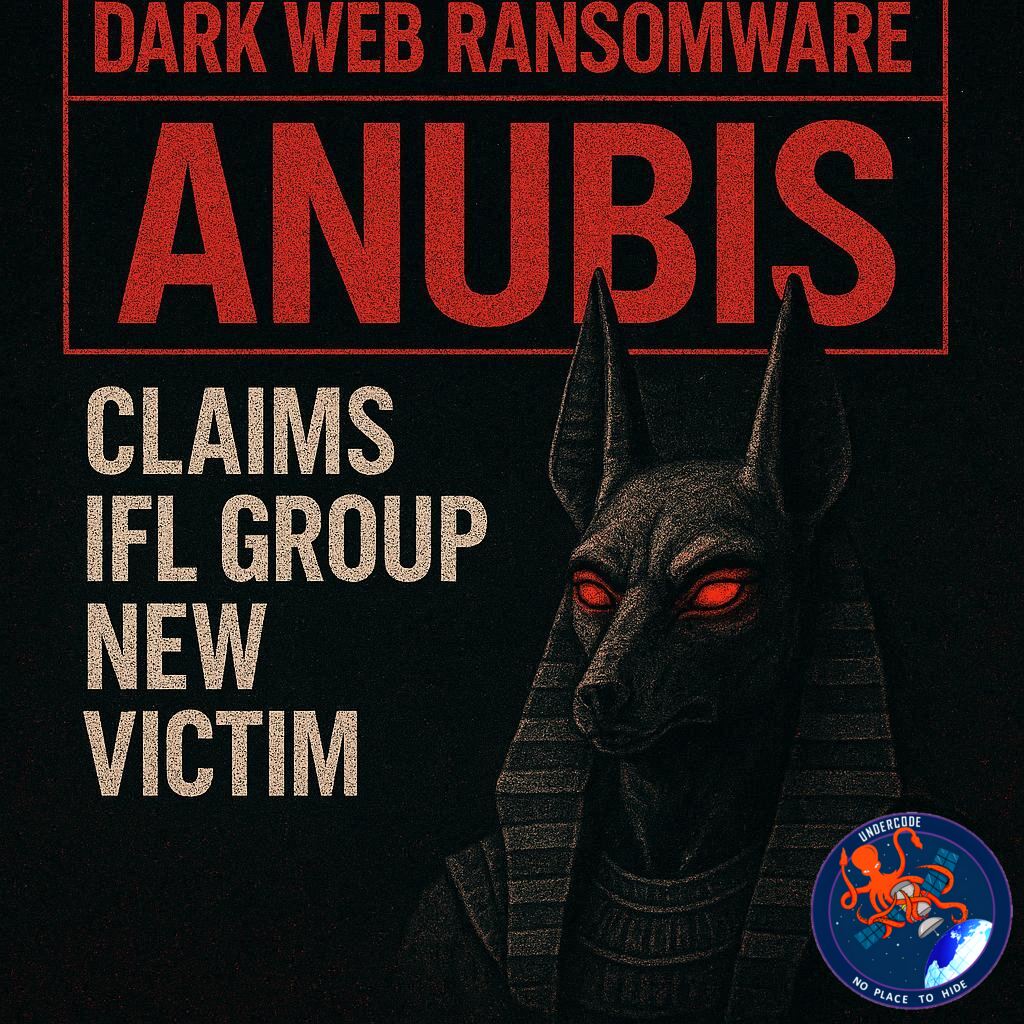
A new ransomware alert surfacing from the dark web has pushed IFL Group into the spotlight. Threat intelligence monitors report that the Anubis ransomware operation has publicly listed the company as a victim, reigniting concerns about how quickly ransomware groups are escalating both their reach and their confidence. While details remain limited, the timing and method of disclosure reflect a familiar—and troubling—pattern in modern cybercrime.
Incident Overview: What Was Detected and When
The activity was flagged on February 18, 2026, at approximately 05:42 UTC+3, following dark web monitoring by the ThreatMon Threat Intelligence Team. The listing appeared in the early hours of the day, a timeframe often favored by ransomware groups seeking maximum visibility before enterprise security teams are fully operational.
Threat Actor Profile: Inside the Anubis Ransomware Group
The Anubis ransomware group has steadily built a reputation for calculated disclosures and psychological pressure tactics. By publicly naming victims, Anubis leverages reputational risk as a bargaining chip, a strategy increasingly common among ransomware-as-a-service (RaaS) operators operating in underground forums.
Victim Snapshot: Who Is IFL Group
IFL Group, now identified as the latest victim, joins a growing list of organizations caught in ransomware crosshairs. While the nature of IFL Group’s operations has not been publicly detailed in the leak, the inclusion alone suggests the attackers believe the organization holds either valuable data, sufficient revenue, or both—key criteria for ransomware targeting.
Detection Source: Dark Web Monitoring in Action
The alert originated from dark web ransomware tracking rather than a public breach disclosure. This distinction matters: dark web victim listings often precede formal incident confirmations, placing organizations under pressure before they have a chance to control the narrative.
Role of Threat Intelligence: How the Alert Emerged
The detection was attributed to the ThreatMon Threat Intelligence Team, which monitors ransomware group infrastructure, leak sites, and underground communications. Such platforms rely on continuous indexing of dark web spaces where ransomware operators advertise victims.
Infrastructure Insights: IOC and C2 Monitoring
ThreatMon’s monitoring extends beyond victim names. Its platform correlates indicators of compromise (IOCs) and command-and-control (C2) infrastructure, enabling analysts to link victim listings with broader campaign activity. This context helps determine whether a listing is isolated or part of a wider offensive wave.
Public Disclosure Tactics: Why Naming Victims Works
By adding IFL Group to its victim list, Anubis increases leverage. Public exposure amplifies legal, regulatory, and reputational risks, often accelerating internal decision-making within affected organizations—even before ransom negotiations begin.
Dark Web Economics: Visibility as a Weapon
Ransomware groups treat visibility as currency. Listings on leak sites are designed not just for victims, but for peers and affiliates. Each named organization reinforces the group’s credibility and perceived effectiveness within criminal ecosystems.
Timing Analysis: Early-Morning Drops and Psychological Pressure
The 1:43 AM posting time aligns with a known tactic: release information during low-response hours. This delay can give attackers a psychological edge, allowing rumors or automated trackers to spread news before official responses are ready.
Data Uncertainty: What Remains Unknown
At this stage, there is no public confirmation of data exfiltration, ransom demands, or system impact. Dark web listings do not always equate to full compromise, but historically they often precede proof-of-data leaks if negotiations stall.
Sector-Wide Implications: Why This Case Matters
Even without technical details, the IFL Group listing contributes to a broader pattern: ransomware groups are becoming faster at public attribution and more aggressive in pressuring victims. Each new case normalizes public shaming as a core extortion tactic.
Trend Context: Ransomware Activity in 2026
Early 2026 has already shown that ransomware operations are not slowing. Instead, groups like Anubis are refining communication strategies, blending technical compromise with media-style exposure to maximize impact.
Operational Lessons: The Cost of Detection Lag
When third parties detect an incident before the victim speaks, organizations lose narrative control. This shift underscores the importance of proactive threat intelligence consumption, not just reactive incident response.
Strategic Risk: Reputation as a Secondary Ransom
Modern ransomware is no longer just about encrypted files. Reputational damage, regulatory scrutiny, and client trust erosion now function as secondary ransoms—often more expensive than the demanded payment itself.
What Undercode Says: The Real Signal Behind the Anubis Listing
The appearance of IFL Group on an Anubis victim list should be read less as a standalone breach and more as a signal of evolving ransomware behavior. Groups are increasingly confident that public exposure alone can force engagement, even before technical proof is released.
What Undercode Says: Dark Web Claims as Negotiation Starters
Dark web disclosures are frequently opening moves in a longer negotiation process. By going public early, attackers shape the psychological landscape, placing defenders on the back foot from the outset.
What Undercode Says: Intelligence Platforms as the New First Responders
Threat intelligence vendors are often the first to see ransomware activity, not internal SOC teams. This reality shifts the incident timeline and highlights the growing dependency enterprises have on external visibility.
What Undercode Says: Silence Does Not Equal Safety
Organizations sometimes delay acknowledgment to avoid panic, but silence can be misinterpreted. In an era of automated trackers and social amplification, absence of communication can fuel speculation and reputational damage.
What Undercode Says: Anubis Is Playing a Long Game
Anubis does not need immediate proof leaks to succeed. The mere threat—combined with a public listing—is often enough to initiate talks, especially for organizations unprepared for media exposure.
What Undercode Says: The Bigger Risk Is Normalization
Each unchallenged public listing normalizes ransomware disclosure tactics. Over time, this shifts power further toward attackers unless organizations collectively harden both defenses and response strategies.
🔍 Fact Checker Results
✅ The Anubis ransomware group publicly listed IFL Group as a victim on February 18, 2026.
✅ The detection was attributed to ThreatMon’s dark web ransomware monitoring.
❌ No verified public evidence has yet confirmed data exfiltration or ransom demands.
📊 Prediction
Ransomware groups like Anubis will increasingly rely on dark web victim listings as their primary pressure mechanism in 2026, with public disclosure occurring earlier in attacks and forcing organizations to respond to reputational crises alongside technical incidents.
🕵️📝✔️Let’s dive deep and fact‑check.
References:
Reported By: x.com
Extra Source Hub (Possible Sources for article):
https://www.twitter.com
Wikipedia
OpenAi & Undercode AI
Image Source:
Unsplash
Undercode AI DI v2
Bing
🔐JOIN OUR CYBER WORLD [ CVE News • HackMonitor • UndercodeNews ]
📢 Follow UndercodeNews & Stay Tuned:
𝕏 formerly Twitter 🐦 | @ Threads | 🔗 Linkedin | 🦋BlueSky | 🐘Mastodon


