
Listen to this Post
 Rising Cyber Threats Push Healthcare and Recovery Organizations Into the Crosshairs
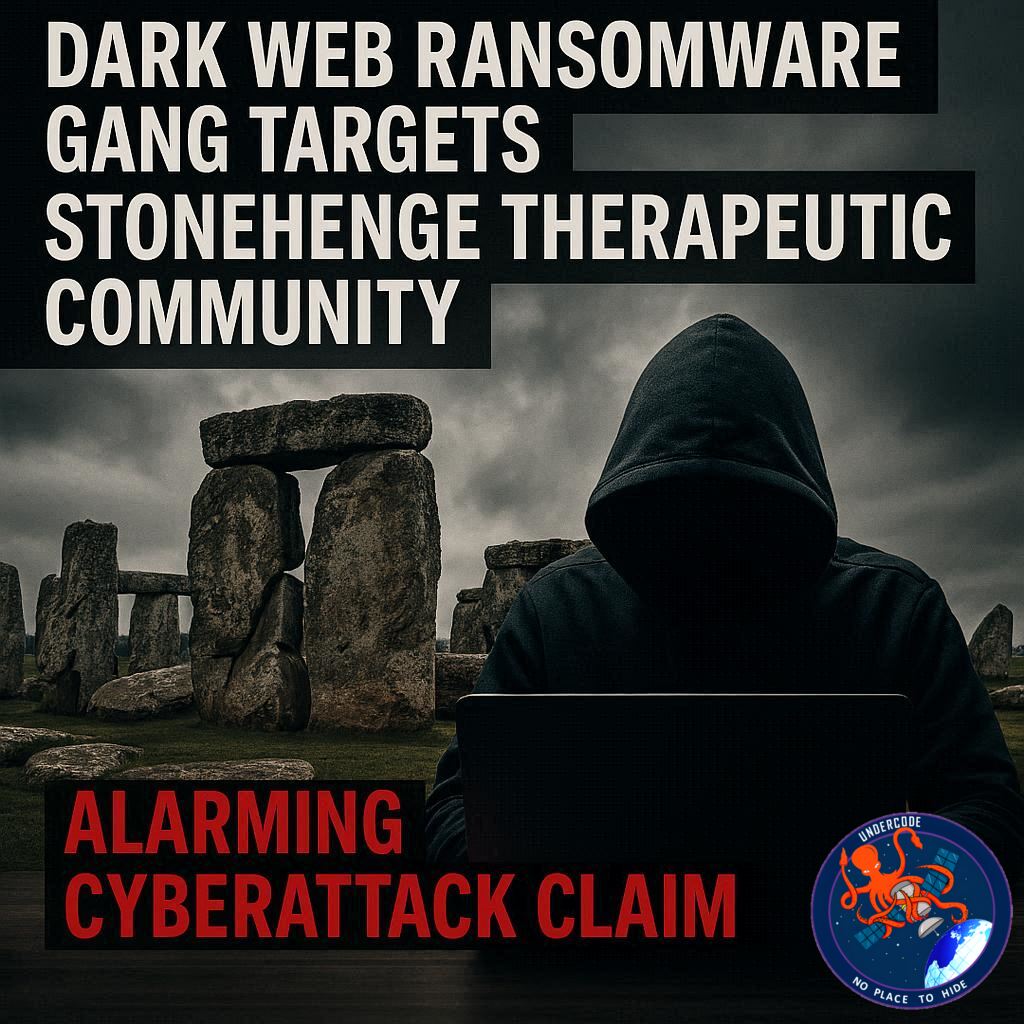
A new cybercrime alert circulating across social media and threat intelligence channels has raised concerns after the ransomware group known as “cmdorganization” allegedly added Stonehenge Therapeutic Community to its growing victim list. The claim surfaced through monitoring conducted by the ThreatMon Threat Intelligence Team, which tracks ransomware operations and dark web activity linked to data breaches, extortion campaigns, and network intrusions.
According to the published alert, the ransomware activity was detected on May 18, 2026, with Stonehenge Therapeutic Community identified as the latest alleged victim. The organization, known for providing therapeutic and recovery-focused services, now joins a growing list of institutions reportedly targeted by cybercriminal gangs operating through underground dark web networks.
The report quickly gained traction among cybersecurity observers due to the increasing frequency of attacks against healthcare-related institutions. Threat actors have increasingly shifted focus toward organizations that handle sensitive patient records, treatment histories, financial information, and internal communications. These sectors are often viewed as lucrative targets because operational disruption can pressure organizations into paying ransom demands quickly.
The same monitoring thread also referenced another ransomware incident involving the “lamashtu” ransomware group and MSC Group. This suggests multiple ransomware actors remain highly active simultaneously, conducting aggressive campaigns against organizations worldwide. The clustering of these incidents within hours of each other demonstrates the relentless pace of modern cybercrime operations.
Ransomware groups typically infiltrate systems through phishing emails, stolen credentials, software vulnerabilities, or exposed remote access systems. Once inside a network, attackers often encrypt files, steal confidential data, and threaten public leaks unless payments are made. In many recent cases, even organizations that restore their systems still face reputational damage from leaked information.
Healthcare and therapeutic organizations are especially vulnerable because many rely on legacy systems, third-party software providers, and extensive digital records. Recovery communities and mental health institutions also store highly sensitive personal information, making breaches particularly dangerous for affected individuals.
ThreatMon’s monitoring platform has become increasingly visible within cybersecurity communities for tracking Indicators of Compromise (IOC), command-and-control infrastructure, and ransomware leak sites. While public postings from ransomware gangs do not always confirm a successful breach immediately, they frequently serve as pressure tactics intended to intimidate victims or attract media attention.
Experts warn that ransomware gangs are becoming more organized, adopting structures similar to legitimate corporations. Many now operate affiliate programs where independent hackers deploy ransomware in exchange for profit-sharing agreements. This “Ransomware-as-a-Service” model has dramatically expanded the scale and speed of attacks globally.
The incident involving Stonehenge Therapeutic Community also reflects a wider trend in which cybercriminals increasingly target organizations with limited cybersecurity budgets. Smaller nonprofits, healthcare groups, and therapeutic centers often lack advanced detection systems, dedicated incident response teams, or robust backup infrastructure.
Dark web leak announcements have evolved into a psychological weapon. By publicly naming victims before investigations conclude, ransomware gangs create panic among stakeholders, employees, and clients. The tactic also amplifies media exposure, which attackers use to pressure organizations during ransom negotiations.
Cybersecurity analysts continue emphasizing the importance of multi-factor authentication, regular patching, offline backups, employee phishing awareness training, and network segmentation. These measures remain among the most effective defenses against ransomware attacks, although no organization is completely immune.
The broader cybersecurity environment in 2026 has become increasingly volatile. Artificial intelligence tools, automated exploitation frameworks, and stolen credential marketplaces have lowered the technical barrier for cybercriminals. At the same time, organizations remain heavily dependent on interconnected digital systems, increasing potential exposure.
Investigators have not yet publicly confirmed the scale of the alleged compromise involving Stonehenge Therapeutic Community. It remains unclear whether sensitive records were stolen, encrypted, or publicly leaked. Many ransomware investigations take days or weeks before official statements emerge.
The public nature of ransomware leak sites has transformed cybercrime into a form of digital public shaming. Attackers often publish countdown timers, partial datasets, or internal screenshots to demonstrate access. These tactics are designed to increase pressure and force rapid responses from victims.
The healthcare sector remains one of the most targeted industries globally due to the critical nature of its operations. Disruptions can impact appointments, treatments, communication systems, and patient services, creating urgency that attackers exploit financially.
Security researchers have repeatedly warned that organizations involved in addiction recovery, therapy, and community support may underestimate their attractiveness to cybercriminals. Yet these institutions often possess deeply confidential records that can be weaponized for extortion.
Governments worldwide continue strengthening cybersecurity regulations, but ransomware groups remain adaptive and decentralized. Many operate from jurisdictions with limited international law enforcement cooperation, complicating investigations and prosecutions.
The alleged attack against Stonehenge Therapeutic Community is another reminder that ransomware remains one of the most disruptive cyber threats facing modern organizations. Whether or not the breach details are eventually confirmed, the incident highlights the growing pressure on healthcare and support institutions to strengthen cyber resilience before becoming the next headline.
What Undercode Says:
The Psychological Evolution of Modern Ransomware Campaigns
The alleged targeting of Stonehenge Therapeutic Community reflects something deeper than another ordinary cyberattack. Modern ransomware groups are no longer simply encrypting systems for money — they are strategically weaponizing fear, exposure, and reputational damage.
Healthcare and therapy-related organizations represent emotionally sensitive environments. Attackers understand that institutions handling recovery programs, mental health support, or addiction treatment are uniquely vulnerable because any interruption could directly impact human wellbeing. This creates immense pressure during ransom negotiations.
The most disturbing trend is how ransomware gangs now operate with calculated media awareness. Public victim announcements on dark web leak sites are intentionally crafted for psychological impact. They know journalists, researchers, and cybersecurity trackers monitor these spaces constantly. Every public post becomes free publicity for the attackers.
Another critical issue is the industrialization of ransomware operations. Years ago, cybercrime groups were fragmented and technically inconsistent. Today, many resemble multinational businesses with branding, affiliate recruitment systems, customer-style negotiation teams, and infrastructure management.
The “Ransomware-as-a-Service” economy has dramatically accelerated attack frequency. Skilled developers create malware platforms while affiliates perform intrusions. This specialization mirrors legitimate software industries and allows rapid scaling of attacks globally.
Organizations like Stonehenge Therapeutic Community may also face difficult public relations challenges even if systems are restored quickly. Trust erosion can become more damaging than the technical disruption itself. Patients and clients may fear exposure of deeply personal records, especially in therapeutic or recovery-focused environments.
Another overlooked aspect is the financial asymmetry between attackers and victims. Cybercriminal groups can launch repeated attacks at relatively low operational cost, while victims must invest heavily in prevention, recovery, legal response, public communication, and regulatory compliance.
The healthcare sector’s continued vulnerability is not purely technological. Many institutions remain understaffed, underfunded, and digitally overextended. Cybersecurity budgets often lag behind operational expansion, especially within nonprofit or community-oriented organizations.
Artificial intelligence is also reshaping ransomware tactics. AI-assisted phishing campaigns now produce highly convincing emails with minimal grammatical errors and personalized targeting. Automated vulnerability scanning tools further accelerate intrusion attempts.
Meanwhile, underground dark web ecosystems continue evolving into mature economies. Threat actors exchange stolen credentials, exploit kits, malware loaders, and access to compromised networks through specialized marketplaces. This lowers entry barriers for less experienced criminals.
One major concern moving forward is the increasing overlap between ransomware activity and data brokerage. Some attackers may prioritize data theft over encryption itself because leaked healthcare or therapeutic records possess long-term blackmail and resale value.
The timing of public disclosures is another strategic element. Attackers often announce victims during weekends, holidays, or periods of limited staffing to maximize organizational confusion and delay coordinated responses.
The broader cyber landscape also reveals an uncomfortable truth: many organizations still approach cybersecurity reactively instead of strategically. Investments frequently occur only after an incident becomes public.
There is also growing concern about supply chain vulnerabilities. Even organizations with strong internal security can become exposed through third-party vendors, cloud platforms, managed service providers, or outdated partner integrations.
For institutions dealing with vulnerable populations, cybersecurity must now be viewed as part of patient protection itself — not merely an IT responsibility. Data security failures can produce emotional trauma alongside operational disruption.
Law enforcement agencies continue making arrests and seizing infrastructure periodically, but ransomware ecosystems remain resilient because decentralized affiliate models quickly regenerate operations under new names.
Public attribution remains another challenge. Some ransomware brands disappear entirely only to re-emerge with altered branding after sanctions, arrests, or internal disputes. This creates confusion within tracking communities and complicates long-term defense strategies.
The Stonehenge Therapeutic Community case also highlights how cybercrime visibility has changed. A decade ago, many breaches remained hidden. Today, dark web leak sites and social media amplification ensure incidents spread globally within minutes.
Organizations can no longer rely solely on perimeter defenses. Modern cybersecurity requires continuous monitoring, rapid incident response planning, employee awareness, behavioral analytics, and resilient recovery infrastructure.
Cyber insurance providers are also reshaping the landscape. Some insurers now demand stricter security controls before offering coverage, while rising ransomware payouts have caused premiums to surge dramatically.
Another emerging issue is ransomware fatigue. As incidents become more common, the public risks becoming desensitized. Yet the cumulative economic and societal damage continues escalating every year.
The healthcare industry may eventually become one of the most regulated cybersecurity sectors worldwide due to the sensitivity of medical and therapeutic data. Governments increasingly recognize that cyberattacks against healthcare systems carry real-world human consequences.
The psychological warfare dimension of ransomware cannot be underestimated. Attackers intentionally cultivate uncertainty by withholding technical details while hinting at catastrophic exposure. This ambiguity itself becomes a weapon.
Stonehenge Therapeutic Community’s alleged inclusion on a ransomware victim list may ultimately represent more than a single incident. It symbolizes the broader transformation of cybercrime into a sophisticated global extortion industry that increasingly targets institutions built around trust, confidentiality, and human care.
🔍 Fact Checker Results
✅ Verified Threat Intelligence Claim
ThreatMon publicly posted that the ransomware group “cmdorganization” allegedly listed Stonehenge Therapeutic Community as a victim on May 18, 2026.
✅ Ransomware Groups Frequently Use Dark Web Leak Sites
Cybercriminal organizations commonly publish victim names online to pressure targets during extortion attempts, making this tactic consistent with broader ransomware behavior.
❌ No Official Breach Confirmation Yet
As of now, there is no publicly verified confirmation from Stonehenge Therapeutic Community regarding the scale, legitimacy, or impact of the alleged compromise.
📊 Prediction
Cyberattacks Against Healthcare and Recovery Institutions Will Intensify
Ransomware groups are likely to continue targeting therapy centers, recovery communities, and healthcare providers because these organizations hold highly sensitive data and often face operational urgency during disruptions. Over the next year, cybersecurity regulations for healthcare-related sectors may tighten significantly, while ransomware gangs increasingly shift toward data theft and psychological extortion rather than simple file encryption alone.
🕵️📝Let’s dive deep and fact‑check.
References:
Reported By: x.com
Extra Source Hub (Possible Sources for article):
https://www.reddit.com/r/AskReddit
Wikipedia
OpenAi & Undercode AI
Image Source:
Unsplash
Undercode AI DI v2
Bing
🔐JOIN OUR CYBER WORLD [ CVE News • HackMonitor • UndercodeNews ]
📢 Follow UndercodeNews & Stay Tuned:
𝕏 formerly Twitter 🐦 | @ Threads | 🔗 Linkedin | 🦋BlueSky | 🐘Mastodon


