
Listen to this Post
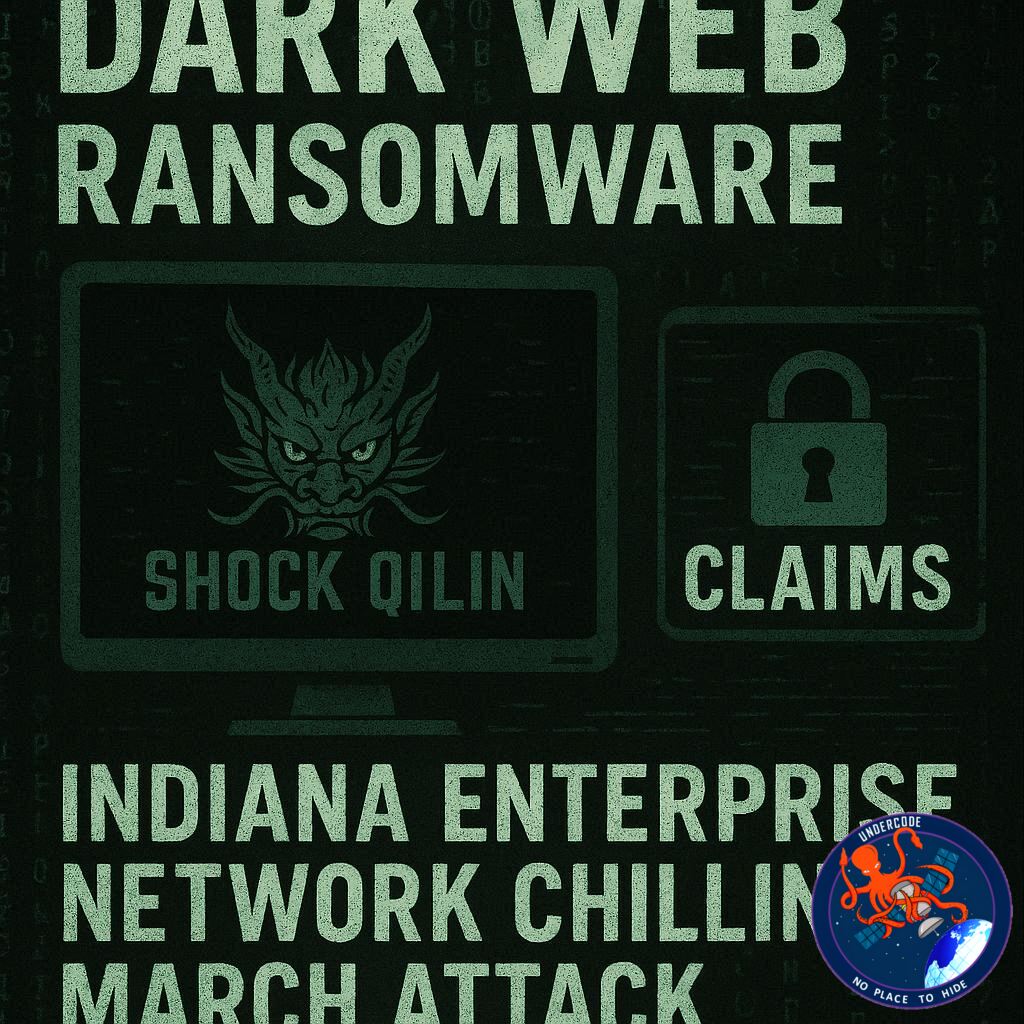 Introduction: A New Name Added to the Ransomware Wall of Shame
The global ransomware ecosystem continues to expand its list of corporate victims, and March 2026 opens with a fresh and unsettling disclosure from the dark web. Threat intelligence monitoring has flagged a new claim involving a U.S.-based organization, reigniting concerns over enterprise-level cybersecurity preparedness. This incident underscores how ransomware groups increasingly rely on public shaming and data-leak threats to amplify pressure on victims and dominate the cybercrime narrative.
Incident Overview: What Was Reported
On March 1, 2026, the ransomware group known as Qilin allegedly added Enterprise Network Group of Indiana to its list of compromised victims. The disclosure was detected and reported by the ThreatMon Threat Intelligence Team, which monitors dark web ransomware activity, indicators of compromise (IOCs), and command-and-control (C2) infrastructure. According to the report, the claim appeared at 19:13:48 (UTC+3), and was later echoed via social media channels, where it quickly gained visibility. While no technical breach details or ransom demands were made public, the appearance of the victim’s name alone suggests a completed or ongoing extortion attempt, consistent with modern double-extortion ransomware tactics.
the Original Report
The original article is concise and data-driven, focusing primarily on attribution and timing rather than technical depth. It identifies Qilin as the threat actor, names Enterprise Network Group of Indiana as the victim, and timestamps the discovery of the activity. The information originates from dark web monitoring conducted by ThreatMon’s intelligence platform, which tracks ransomware leak sites and underground forums. The report does not confirm whether data was exfiltrated, systems were encrypted, or negotiations are underway. It also avoids speculation, presenting the event as a detected claim rather than a verified breach. Engagement metrics indicate limited but notable attention, suggesting the disclosure reached a niche audience of cybersecurity observers rather than the general public. Overall, the article serves as an early warning signal rather than a full incident breakdown, emphasizing speed of detection over narrative detail.
What Undercode Say:
From an analytical standpoint, this incident fits a broader and troubling trend in the ransomware economy. Groups like Qilin increasingly prioritize visibility over sophistication, knowing that public exposure alone can coerce victims into rapid negotiations. Even without releasing proof-of-compromise files, naming an organization on a leak site can trigger legal, reputational, and contractual panic. For managed service providers and enterprise IT groups, the reputational blast radius is even larger, as clients may question whether their own data is indirectly at risk.
Another critical angle is timing. Early-year ransomware disclosures often signal active campaign cycles, where groups test defenses, refine payload delivery, and identify high-leverage victims. Indiana-based enterprises, particularly those tied to infrastructure, healthcare, or multi-client IT services, have increasingly appeared in ransomware disclosures over the past two years. This suggests regional targeting informed by perceived security maturity rather than company size alone.
It is also notable that the report relies entirely on dark web intelligence rather than victim disclosure. This asymmetry highlights a growing transparency gap: attackers are more open about breaches than the organizations themselves. While legal and regulatory constraints explain some silence, the lack of public confirmation often leaves stakeholders navigating uncertainty fueled by attacker-controlled narratives.
Finally, the role of platforms like ThreatMon cannot be overstated. Real-time monitoring of ransomware leak ecosystems has become a frontline defense mechanism, enabling faster incident response, media awareness, and risk assessment. However, intelligence visibility does not equal mitigation. Without proactive patching, segmentation, and incident response rehearsals, detection alone may arrive too late to prevent damage.
Fact Checker Results
🔍 Verification of Threat Actor Claim
The identification of Qilin as the claiming group aligns with known dark web ransomware listings and historical activity patterns. ✅
🔍 Confirmation of Victim Disclosure
At the time of reporting, Enterprise Network Group of Indiana has not publicly confirmed or denied the incident. ❌
🔍 Source Credibility Assessment
ThreatMon is a recognized threat intelligence platform with a track record of monitoring ransomware leak sites. ✅
Prediction
📊 Short-Term Outlook
If the claim is accurate, follow-up actions such as data sample leaks or countdown timers may appear within days to escalate pressure.
📊 Industry Impact Forecast
Similar mid-sized enterprise IT providers are likely to face increased targeting as ransomware groups seek maximum downstream leverage.
📊 Defensive Trend Expectation
Organizations will continue shifting toward continuous dark web monitoring and zero-trust architectures, but adoption gaps will remain exploitable.
🕵️📝✔️Let’s dive deep and fact‑check.
References:
Reported By: x.com
Extra Source Hub (Possible Sources for article):
https://www.twitter.com
Wikipedia
OpenAi & Undercode AI
Image Source:
Unsplash
Undercode AI DI v2
Bing
🔐JOIN OUR CYBER WORLD [ CVE News • HackMonitor • UndercodeNews ]
📢 Follow UndercodeNews & Stay Tuned:
𝕏 formerly Twitter 🐦 | @ Threads | 🔗 Linkedin | 🦋BlueSky | 🐘Mastodon


