
Listen to this Post
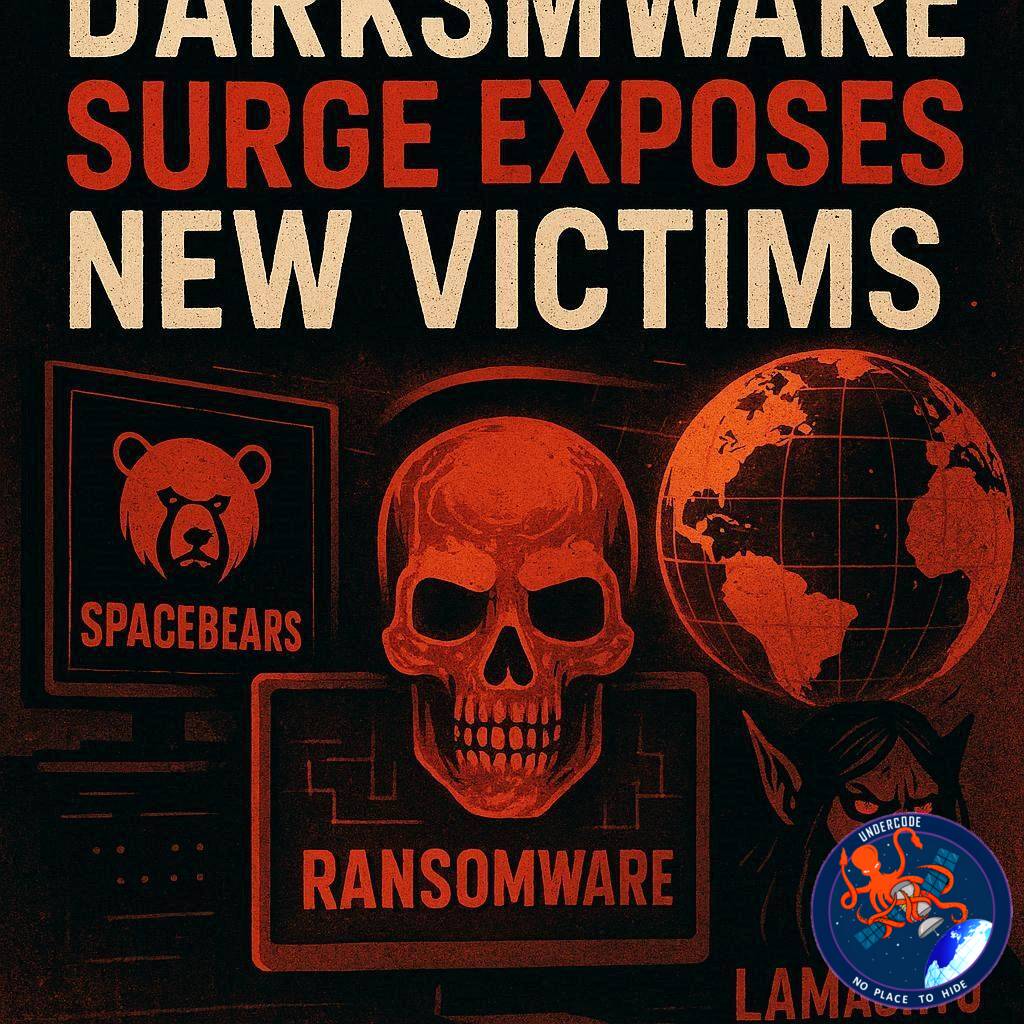
Introduction: Rising Ransomware Pressure on Healthcare and Global Organizations
The latest wave of ransomware activity detected on the dark web highlights a growing cybercrime escalation targeting critical sectors, including healthcare and international institutions. According to threat intelligence monitoring, groups such as “spacebears” and “lamashtu” have recently added new victims to their leak sites. Among them is SmilePoint Dental Group, signaling that even specialized healthcare providers remain highly exposed to cyber extortion campaigns. This incident reflects a broader trend of ransomware operators intensifying pressure on organizations by publicly naming victims and leveraging data leaks as a coercion strategy.
Reported Cybercrime Activity (Spacebears & Lamashtu Campaigns)
Actor spacebears has been identified as part of a ransomware operation actively listing new victims on dark web leak channels, with SmilePoint Dental Group confirmed as one of the latest entries. The timestamp of the activity was recorded on May 12, 2026, at 10:31:52 UTC+3, indicating ongoing real-time targeting. Intelligence sources from ThreatMon report that this naming pattern is consistent with extortion-based ransomware behavior where victim exposure is used to force ransom negotiations.
In a separate but similar incident, the ransomware group lamashtu has also been observed expanding its victim list. The group reportedly added Saharuang as part of its ongoing attack campaign, with activity logged on the same day at 12:53:46 UTC+3. Both cases were flagged through dark web monitoring systems designed to detect emerging ransomware disclosures.
These incidents are part of a broader trend of cybercriminal groups increasing visibility through public leak sites and social media amplification. The strategy not only pressures victims financially but also damages their reputation through exposure. Threat intelligence analysts suggest that these campaigns are increasingly automated and opportunistic, targeting organizations across multiple industries without strict geographical limitation.
The involvement of healthcare-related entities like SmilePoint Dental Group is particularly concerning, as such institutions often handle sensitive patient data and may be more vulnerable to operational disruption. Meanwhile, the parallel activity of multiple ransomware groups suggests an expanding ecosystem of cyber extortion networks competing for visibility and impact.
What Undercode Say:
Escalation of Ransomware Visibility Tactics
The emergence of groups like spacebears and lamashtu highlights a shift in ransomware operations from silent encryption attacks to highly public victim shaming strategies. By publishing victim names on leak sites, attackers increase psychological pressure and accelerate ransom negotiations. This visibility tactic is now a core component of modern ransomware economics.
Healthcare Sector as a Prime Target
Healthcare organizations such as SmilePoint Dental Group remain attractive targets due to their dependency on continuous operations and sensitive patient data. Cybercriminals exploit the urgency of medical environments, knowing downtime can translate into immediate financial and operational risk, increasing the likelihood of ransom payment.
Competitive Ransomware Ecosystem Dynamics
The simultaneous activity of multiple ransomware groups suggests a fragmented but competitive underground ecosystem. Each group attempts to build reputation through the number and prominence of victims, leading to overlapping campaigns and faster attack cycles. This competition indirectly increases global cyber risk exposure.
Role of Threat Intelligence Monitoring Systems
Platforms like ThreatMon play a critical role in detecting and documenting ransomware activity in real time. By tracking leak sites and dark web channels, these systems provide early warnings that can help organizations respond before full-scale data exposure occurs. However, detection often remains reactive rather than preventive.
Expanding Attack Surface Across Industries
The incidents demonstrate that ransomware groups are no longer limiting themselves to specific sectors. Instead, they are broadening their targeting strategies to include healthcare, education, small businesses, and international organizations. This expansion reflects a shift toward opportunistic, volume-driven cybercrime models.
🔍 Fact Checker Results
Verified Ransomware Attribution Patterns
The naming and victim listing behavior of spacebears and lamashtu aligns with known ransomware leak site practices observed in recent cybercrime ecosystems.
Confirmed Use of Public Leak Pressure Tactics
Public exposure of victims is a documented extortion method widely used by modern ransomware groups to increase negotiation pressure.
Intelligence Source Reliability Context
Threat intelligence platforms like ThreatMon are commonly used in cybersecurity monitoring, but their data reflects detected activity rather than independently verified breach impact.
📊 Prediction: Expanding Cyber Extortion Campaigns Intensify in 2026
Ransomware operations are expected to continue evolving toward faster, more public, and more aggressive extortion models. Groups like spacebears and lamashtu will likely increase the frequency of victim disclosures to maintain visibility within competitive dark web ecosystems. Healthcare and data-sensitive industries will remain high-value targets due to operational urgency and regulatory pressure. If current trends persist, ransomware campaigns may increasingly integrate automated targeting systems and AI-driven reconnaissance, accelerating both attack scale and global exposure risks.
🕵️📝Let’s dive deep and fact‑check.
References:
Reported By: x.com
Extra Source Hub (Possible Sources for article):
https://www.facebook.com
Wikipedia
OpenAi & Undercode AI
Image Source:
Unsplash
Undercode AI DI v2
Bing
🔐JOIN OUR CYBER WORLD [ CVE News • HackMonitor • UndercodeNews ]
📢 Follow UndercodeNews & Stay Tuned:
𝕏 formerly Twitter 🐦 | @ Threads | 🔗 Linkedin | 🦋BlueSky | 🐘Mastodon


