
Listen to this Post
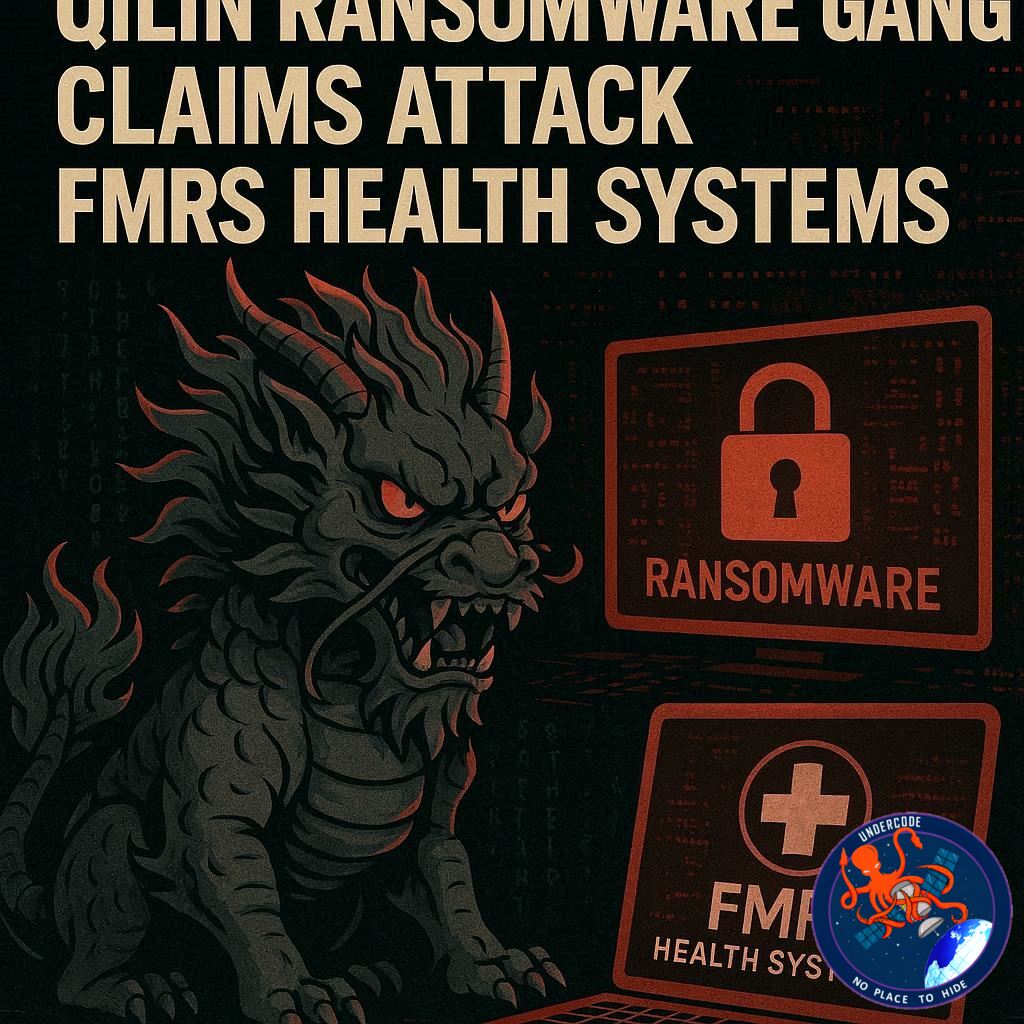
Introduction: A New Cyber Threat Targets Healthcare
The cybercrime landscape continues to evolve at an alarming pace, with ransomware groups increasingly targeting critical sectors such as healthcare. In the latest development, the notorious ransomware collective Qilin Ransomware Group has allegedly added FMRS Health Systems to its growing list of victims. The claim surfaced through threat intelligence monitoring conducted by ThreatMon Threat Intelligence, which tracks ransomware activity and dark web disclosures.
Healthcare institutions have long been prime targets for cybercriminals due to the highly sensitive nature of their data and the operational urgency of medical services. When systems go down or patient records are compromised, organizations face immense pressure to resolve the situation quickly—often making them vulnerable to ransom demands. This latest incident highlights the continuing risk facing healthcare providers worldwide.
the Original Report
On March 13, 2026, the threat monitoring platform ThreatMon Threat Intelligence reported that the ransomware group known as Qilin had listed FMRS Health Systems among its newest victims on the dark web. The announcement was detected as part of the platform’s ongoing surveillance of ransomware leak sites and cybercriminal communication channels.
ThreatMon’s monitoring team routinely scans underground forums and ransomware group portals where attackers publish the names of compromised organizations. These listings often serve as proof of attack and as pressure tactics, intended to force victims into paying ransom demands. In this case, the monitoring team observed that the Qilin group had publicly added FMRS Health Systems to its victim roster.
The disclosure was posted publicly on social media, drawing attention to the growing activity of the ransomware collective. The update included the timestamp 16:16:10 UTC+3 on March 13, 2026, confirming when the group’s victim listing was detected. The social media post also referenced ThreatMon’s broader threat intelligence platform, which collects indicators of compromise (IOC) and command-and-control (C2) data used by cybersecurity professionals to track malicious infrastructure.
While details about the scope of the attack remain unclear, such listings often indicate that attackers claim to possess stolen data or have disrupted internal systems. In many ransomware operations, the criminals threaten to publish sensitive information unless the targeted organization negotiates or pays the demanded ransom.
Healthcare providers, including FMRS Health Systems, handle large volumes of patient data, insurance records, and operational information. If compromised, such information can have severe consequences not only for the organization but also for patients whose personal and medical data could be exposed.
At the time of the report, there had been no official confirmation from FMRS Health Systems regarding the alleged breach. As is common in early-stage ransomware disclosures, organizations often require time to investigate before making public statements.
The Qilin ransomware operation has been linked to multiple cyber extortion campaigns in recent years, with attacks spanning industries such as healthcare, manufacturing, and finance. The group typically employs double-extortion tactics, encrypting data while simultaneously threatening to leak stolen files.
Threat intelligence teams like ThreatMon play a crucial role in identifying these incidents early. Their monitoring of dark web activity often provides the first public indication that an organization may have been targeted.
This particular incident adds to the growing list of ransomware attacks affecting healthcare systems globally. Cybersecurity experts have repeatedly warned that the sector’s reliance on interconnected digital systems makes it a high-value target for cybercriminal groups seeking maximum leverage in ransom negotiations.
What Undercode Says:
The Expanding Threat Landscape in Healthcare
The alleged attack on FMRS Health Systems underscores a troubling trend: healthcare organizations remain among the most attractive targets for ransomware operators. Unlike many industries, healthcare providers cannot easily tolerate prolonged system outages. Hospitals, clinics, and medical networks depend heavily on digital systems for patient records, diagnostics, scheduling, and treatment coordination. This urgency creates leverage for attackers, who understand that downtime can directly affect patient care.
Ransomware Groups Are Becoming More Strategic
Groups like Qilin are not merely launching random attacks. Modern ransomware operations resemble organized businesses. They research targets, exploit vulnerabilities, and deploy sophisticated extortion strategies. Many groups operate affiliate programs where hackers share profits with partners who help conduct attacks. This model has dramatically expanded the scale of ransomware operations worldwide.
Dark Web Leak Sites as Psychological Warfare
The tactic of publicly listing victims on dark web portals serves a calculated purpose. It acts as a pressure mechanism designed to force negotiations. By publicly naming organizations, attackers create reputational risk, regulatory scrutiny, and public concern. Even before stolen data is released, the mere threat can cause significant damage.
Healthcare Data Is Extremely Valuable
Medical records are far more valuable on cybercriminal marketplaces than simple financial data. A single healthcare record can include names, addresses, social security numbers, insurance information, and detailed medical histories. This combination makes the data highly useful for identity theft, insurance fraud, and targeted phishing campaigns.
Early Detection by Threat Intelligence Platforms
Platforms like ThreatMon play a vital role in identifying cyber incidents before official confirmations appear. By monitoring ransomware leak sites, underground forums, and malware infrastructure, threat intelligence teams provide early warnings to security professionals. In many cases, these alerts give organizations a critical head start in responding to breaches.
The Silent Window Before Public Confirmation
One of the most interesting aspects of ransomware disclosures is the gap between the attackers’ claims and the victim organization’s response. Companies often remain silent during investigations to avoid releasing inaccurate information. During this period, speculation can spread rapidly, making reliable threat intelligence even more important.
Regulatory Consequences for Healthcare Breaches
Healthcare breaches often trigger strict regulatory scrutiny, especially in countries with strong medical privacy laws. Data exposure can lead to investigations, fines, and mandatory breach notifications. Beyond financial damage, organizations may face long-term reputational harm.
Cybersecurity Investment Gaps
Despite the rising threat, many healthcare organizations still struggle with limited cybersecurity budgets. Legacy systems, outdated infrastructure, and under-resourced security teams create vulnerabilities that attackers can exploit. The cost of prevention is often far lower than the cost of recovery after a ransomware incident.
The Double-Extortion Business Model
Modern ransomware groups rarely rely solely on encryption. Instead, they steal data before deploying ransomware. This tactic allows them to threaten public leaks if the ransom is not paid. Even organizations that restore systems from backups may still face the risk of sensitive information being published online.
A Global Surge in Healthcare Cyberattacks
Over the past decade, ransomware attacks on healthcare providers have surged dramatically. Attackers know that patient safety and operational continuity make hospitals more likely to negotiate. As long as this leverage exists, healthcare organizations will remain a primary target.
🔍 Fact Checker Results
Verified Claim About the Ransomware Listing
✅ Threat intelligence monitoring did report that the Qilin ransomware group listed FMRS Health Systems as a victim.
Unconfirmed Breach Details
❌ There is currently no publicly confirmed information about the scale or impact of the alleged attack.
Known Ransomware Strategy
✅ Ransomware groups commonly publish victim names on dark web leak sites to pressure organizations into paying.
📊 Prediction
Growing Pressure on Healthcare Cybersecurity
Ransomware attacks against healthcare providers are expected to continue rising in the coming years. As digital health systems expand and more patient data moves online, the attack surface grows larger. Organizations that fail to modernize their cybersecurity defenses may face increasing risk from highly organized ransomware groups like Qilin. Governments and regulators will likely push for stronger security standards across the healthcare sector, but attackers will also continue evolving their tactics to stay ahead.
🕵️📝✔️Let’s dive deep and fact‑check.
References:
Reported By: x.com
Extra Source Hub (Possible Sources for article):
https://www.twitter.com
Wikipedia
OpenAi & Undercode AI
Image Source:
Unsplash
Undercode AI DI v2
Bing
🔐JOIN OUR CYBER WORLD [ CVE News • HackMonitor • UndercodeNews ]
📢 Follow UndercodeNews & Stay Tuned:
𝕏 formerly Twitter 🐦 | @ Threads | 🔗 Linkedin | 🦋BlueSky | 🐘Mastodon


