
Listen to this Post
A Sudden Claim Raises Critical Infrastructure Alarms
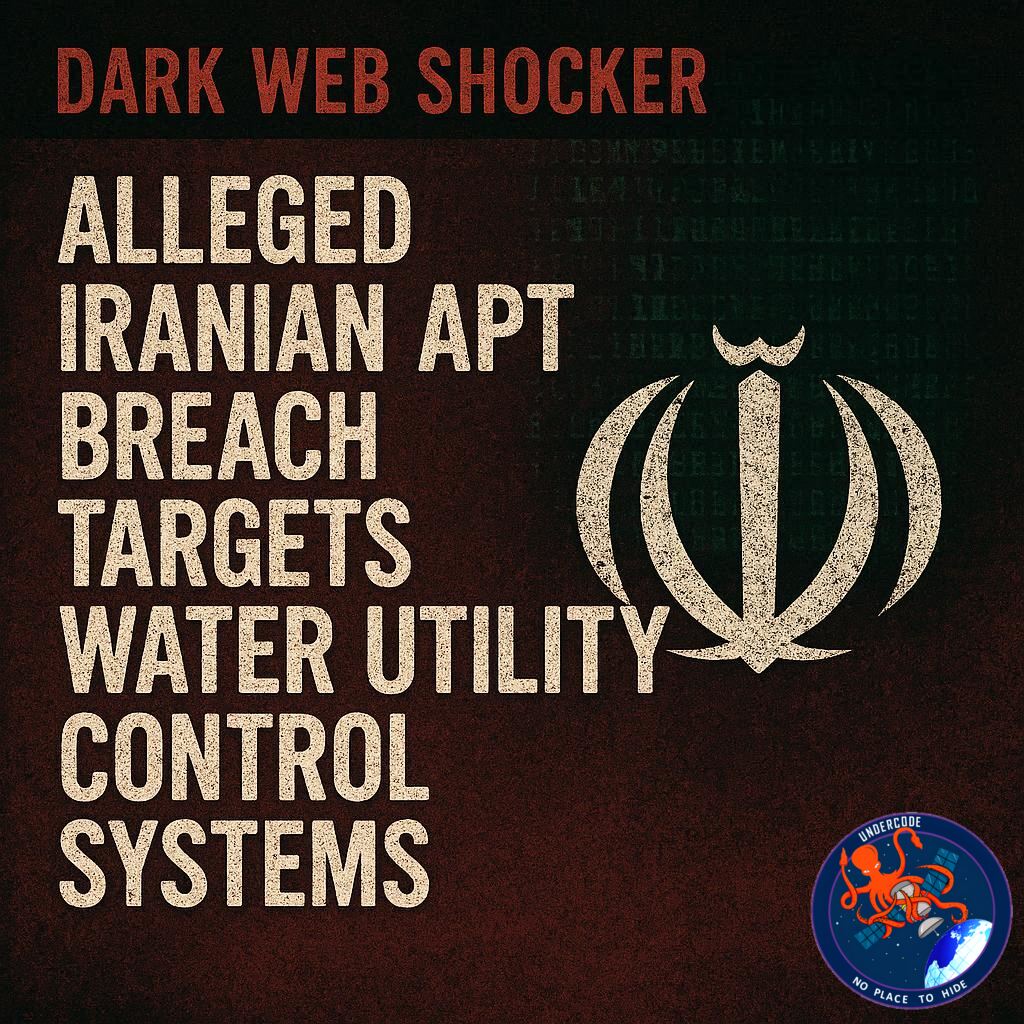
A concerning claim has surfaced from the depths of the dark web, where an entity identifying itself under the “APT Iran” banner alleges it has infiltrated a water treatment and utility management system. The supposed target is linked to a company named Mupferle Water Solutions / Fenton, sparking immediate attention among cybersecurity observers and threat intelligence analysts.
Screenshots Suggest Deep System Access
According to the post shared by Dark Web Intelligence, the threat actor released screenshots that appear to display industrial control system (ICS) interfaces. These interfaces reportedly include operational parameters such as chlorine levels, temperature readings, flushing mechanisms, and sensor-based controls. Such elements are typically associated with SCADA systems used to manage water treatment processes, suggesting that the attacker may have gained visibility—or possibly control—over sensitive infrastructure operations.
Timeline of the Alleged Breach
The actor claims that the unauthorized access occurred on March 10, 2026. While no independent verification has confirmed this timeline, the specificity of the date adds a layer of perceived credibility to the claim. The attacker further implies the capability to manipulate system settings, which, if true, could pose serious risks to public safety and environmental stability.
Skepticism Remains High Among Experts
Despite the alarming nature of the claim, cybersecurity professionals urge caution. It is well known that screenshots of ICS and HMI panels are often reused, staged, or fabricated as part of influence operations. Without concrete forensic evidence or confirmation from the affected organization, the legitimacy of the breach remains uncertain.
The Potential Impact of a Real Breach
If the claims were proven to be true, the implications would be severe. Water treatment facilities are a cornerstone of public health infrastructure. Unauthorized access to such systems could allow malicious actors to alter chemical levels, disrupt operations, or compromise water safety. Even minor manipulation of chlorine levels, for instance, could lead to contamination or health hazards for entire communities.
The Growing Trend of Infrastructure Targeting
This incident—real or not—fits into a broader pattern of increasing cyber threats targeting critical infrastructure. Nation-state actors and advanced persistent threat (APT) groups have historically shown interest in utilities, energy grids, and water systems due to their strategic importance and often outdated security frameworks.
The Role of Psychological and Information Warfare
Another dimension to consider is the possibility of psychological operations. By claiming access to critical systems, threat actors can generate fear, disrupt public confidence, and pressure governments or organizations without necessarily executing a real attack. This tactic has become increasingly common in cyber warfare landscapes.
What Undercode Say:
The Real Danger Lies Beyond Verification
Even if this specific claim turns out to be false, the underlying issue it highlights is undeniably real. Critical infrastructure systems—especially water utilities—remain among the most vulnerable sectors in cybersecurity. Many facilities still rely on legacy SCADA systems that were never designed with modern cyber threats in mind.
Why Water Systems Are Prime Targets
Water utilities present a unique attack surface. Unlike financial systems, which are heavily monitored and frequently updated, water treatment facilities often operate with limited cybersecurity budgets. This creates an imbalance where high-impact systems are protected by relatively weak defenses, making them attractive targets for both state-sponsored and independent threat actors.
The Illusion of Air-Gapped Security
A common misconception in industrial environments is that systems are “air-gapped,” meaning isolated from external networks. However, in practice, many of these systems are connected—directly or indirectly—to the internet for monitoring, maintenance, or data reporting. This connectivity introduces vulnerabilities that attackers can exploit.
Screenshots Don’t Equal Access
One critical point often overlooked is that screenshots alone are not proof of access. These images can be sourced from publicly available documentation, training materials, or previous breaches. In the world of cyber threat intelligence, visual evidence must always be treated with skepticism unless backed by verifiable technical indicators.
The Psychological Warfare Element
From a strategic standpoint, claims like these serve a dual purpose. They not only attempt to demonstrate capability but also aim to instill fear and uncertainty. This aligns with broader cyber warfare tactics where perception can be as powerful as reality. Governments and organizations may be forced to respond to unverified threats, diverting resources and attention.
A Pattern of Escalation
This alleged incident reflects a growing trend where cyber actors are increasingly bold in their claims. Whether these claims are genuine or exaggerated, they indicate a shift toward more aggressive posturing in cyberspace. The line between actual cyberattacks and psychological operations is becoming increasingly blurred.
The Need for Proactive Defense
Organizations managing critical infrastructure must adopt a proactive approach to cybersecurity. This includes continuous monitoring, regular system updates, network segmentation, and employee training. Waiting for confirmation of a breach before taking action is no longer a viable strategy in today’s threat landscape.
Regulatory and Policy Implications
Incidents like this also highlight gaps in regulatory frameworks governing critical infrastructure security. Governments may need to enforce stricter cybersecurity standards and require regular audits to ensure compliance. Without such measures, vulnerabilities will persist and potentially escalate into real-world crises.
Public Trust at Stake
Beyond the technical implications, there is a significant societal impact. Public confidence in essential services like water supply can be shaken by such claims, regardless of their validity. Maintaining transparency and clear communication is crucial to preventing panic and misinformation.
The Bigger Picture of Cyber Warfare
Ultimately, this situation underscores the evolving nature of cyber warfare. It is no longer confined to data theft or financial gain. Instead, it increasingly targets systems that underpin daily life, aiming to disrupt, intimidate, and destabilize.
🔍 Fact Checker Results
Verification Status of the Claim
⚠️ No confirmed evidence currently supports the alleged breach of the water utility system.
Reliability of Shared Screenshots
⚠️ ICS interface images can be reused or fabricated, making them unreliable as standalone proof.
Credibility of the Threat Actor
⚠️ The identity and legitimacy of the “APT Iran” actor remain unverified.
📊 Prediction
Rising Attacks on Critical Infrastructure
Expect an increase in both real and fabricated claims targeting water, energy, and utility systems as geopolitical tensions continue to rise.
Stronger Government Regulations Ahead
Authorities are likely to introduce stricter cybersecurity mandates for critical infrastructure operators to mitigate future risks.
Blurring Lines Between Reality and PsyOps
Cyber warfare will increasingly combine actual attacks with psychological manipulation, making it harder to distinguish real threats from strategic misinformation.
🕵️📝✔️Let’s dive deep and fact‑check.
References:
Reported By: x.com
Extra Source Hub (Possible Sources for article):
https://www.facebook.com
Wikipedia
OpenAi & Undercode AI
Image Source:
Unsplash
Undercode AI DI v2
Bing
🔐JOIN OUR CYBER WORLD [ CVE News • HackMonitor • UndercodeNews ]
📢 Follow UndercodeNews & Stay Tuned:
𝕏 formerly Twitter 🐦 | @ Threads | 🔗 Linkedin | 🦋BlueSky | 🐘Mastodon


