
Listen to this Post
Introduction to a Growing Cyber Threat
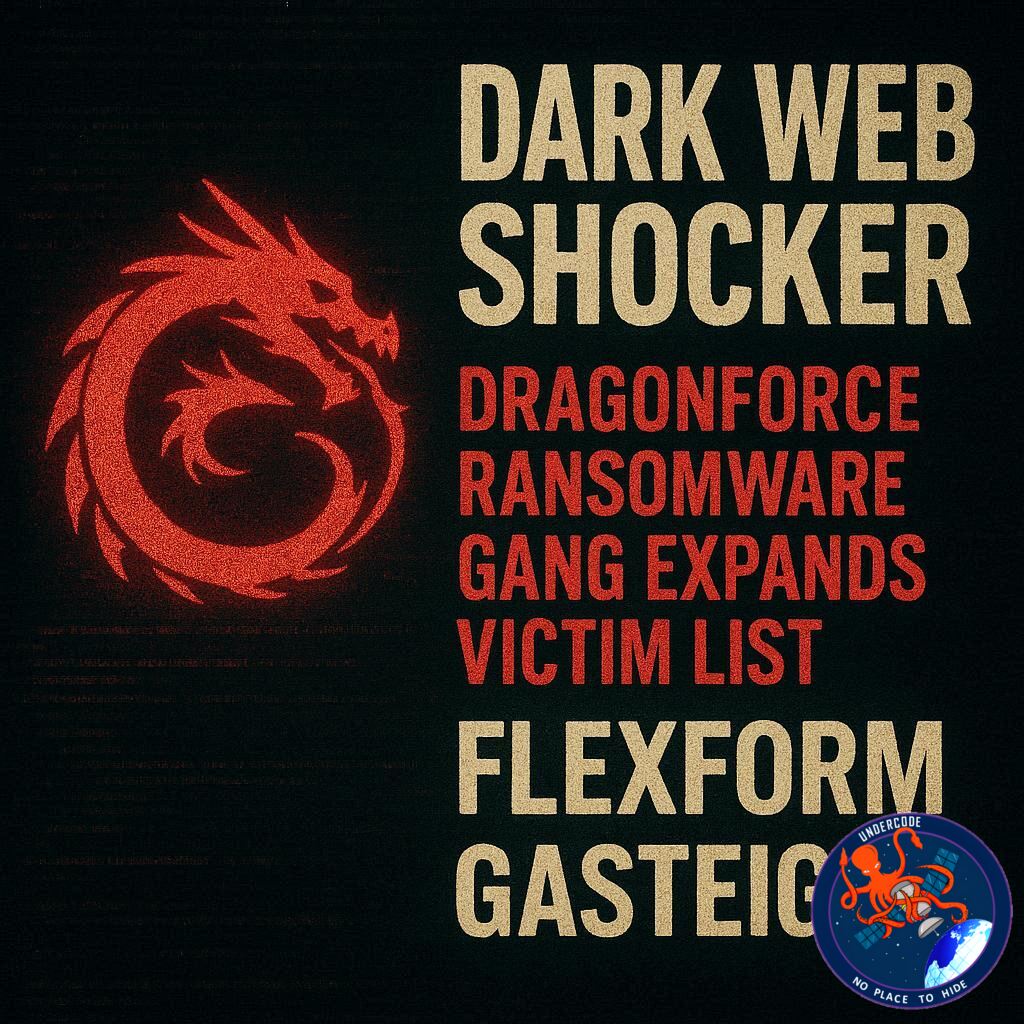
A fresh wave of cybercrime activity has surfaced on the dark web, raising alarms across the cybersecurity landscape. The ransomware group known as DragonForce has reportedly added new victims to its growing list, signaling a continued escalation in targeted digital attacks. Intelligence gathered by the ThreatMon Threat Intelligence Team indicates that companies across different industries are increasingly falling prey to these sophisticated operations, highlighting the urgent need for stronger cyber defenses.
the Original Incident Report
Recent dark web monitoring has revealed that the DragonForce ransomware group has claimed responsibility for targeting Flexform, a company now listed among its victims as of March 18, 2026. The announcement was identified through ransomware activity tracking conducted by the ThreatMon Threat Intelligence Team, which specializes in uncovering indicators of compromise (IOC) and command-and-control (C2) infrastructure data.
Shortly after the Flexform incident surfaced, another entity, Gasteiger.design, was also reported as a victim of the same ransomware group. This suggests a pattern of rapid, multi-target attacks within a narrow timeframe. Both incidents were flagged on the same day, indicating either a coordinated campaign or a batch release of victim disclosures by the attackers.
The information originated from dark web sources, where ransomware groups often publish victim names to pressure organizations into paying ransom demands. These disclosures are typically part of a double-extortion strategy, where attackers threaten to leak stolen data if payments are not made.
The ThreatMon platform, which monitors such activities, plays a crucial role in identifying and reporting these incidents early. Their findings are often used by cybersecurity professionals to assess threats and respond proactively.
While details about the scale of the breaches or the nature of the compromised data remain unclear, the inclusion of these companies on DragonForce’s list suggests that sensitive systems may have been infiltrated. The lack of immediate public statements from the affected organizations leaves room for speculation about the extent of the damage.
The timing and frequency of these disclosures point toward an increasingly aggressive posture by ransomware groups, leveraging public exposure as a weapon. This tactic not only damages reputations but also creates urgency for victims to comply with ransom demands.
Overall, the situation underscores the persistent and evolving threat posed by ransomware actors operating through dark web channels, with DragonForce emerging as a notable player in this space.
What Undercode Says:
The Rise of Coordinated Ransomware Campaigns
DragonForce’s latest activity reflects a broader trend in ransomware operations: coordinated, high-frequency attacks targeting multiple organizations within short windows. This is no longer opportunistic hacking—it’s industrialized cybercrime.
Double-Extortion as the New Standard
Modern ransomware groups rarely rely on encryption alone. By publicly listing victims like Flexform and Gasteiger, attackers weaponize reputation damage. This psychological pressure often proves more effective than technical disruption alone.
Dark Web as a Strategic Communication Channel
Publishing victim names on the dark web is not random—it’s calculated. These platforms serve as both a warning to other potential targets and a negotiation tactic. The visibility increases leverage against victims.
Intelligence Platforms Are Becoming Essential
The role of platforms like ThreatMon is becoming indispensable. Early detection of ransomware claims allows companies to react faster, even before official breach confirmations are made public.
Lack of Transparency from Victims
One recurring issue is the silence from affected organizations. Whether due to legal concerns or internal investigation delays, this lack of transparency often leaves stakeholders uninformed and vulnerable.
Attack Surface Expansion in Digital Businesses
Companies with strong digital footprints, such as design firms and global brands, are increasingly attractive targets. Their reliance on digital infrastructure makes them both valuable and vulnerable.
Speed of Disclosure Suggests Automation
The rapid addition of multiple victims in a single day suggests that ransomware groups may be automating parts of their operations, from exploitation to publication.
Reputation Damage as a Long-Term Cost
Even if companies recover their systems, the reputational impact of being listed as a ransomware victim can linger for years, affecting customer trust and investor confidence.
Cybersecurity Is No Longer Optional
Incidents like these reinforce a harsh reality: cybersecurity is not a luxury or a secondary concern. It is a fundamental component of modern business survival.
Global Nature of the Threat
Ransomware groups operate across borders, making jurisdiction and law enforcement coordination extremely challenging. This gives attackers a significant advantage.
Increasing Professionalization of Cybercrime
Groups like DragonForce are not amateur hackers—they operate like businesses, complete with branding, communication strategies, and operational efficiency.
Data as the Primary Target
In many cases, the real prize is not system access but data. Intellectual property, client information, and internal communications are all highly valuable on the black market.
The Role of Social Engineering
While not explicitly stated, many ransomware attacks begin with phishing or social engineering, exploiting human error rather than technical vulnerabilities.
Urgency in Incident Response Planning
Organizations must move from reactive to proactive strategies, including incident response planning, regular audits, and employee training.
A Warning Signal for Other Companies
The public listing of victims should be seen as a warning to other organizations in similar industries. If one company is vulnerable, others likely are too.
🔍 Fact Checker Results
Verification of DragonForce Claims
✅ Dark web listings are commonly used by ransomware groups to announce victims, but they are not always independently verified.
Reliability of ThreatMon Data
✅ Threat intelligence platforms like ThreatMon are generally credible but rely on observed activity, not always confirmed breaches.
Confirmation from Victims
❌ No official confirmation from Flexform or Gasteiger has been publicly reported at the time of this disclosure.
📊 Prediction
Escalation of Public Ransomware Disclosures
Ransomware groups like DragonForce are likely to increase the frequency of public victim disclosures as a pressure tactic. This trend will push more organizations into crisis mode faster, forcing quicker decisions on ransom payments and public relations strategies. At the same time, companies will invest more heavily in preemptive cybersecurity measures, including threat intelligence subscriptions and zero-trust architectures, to avoid becoming the next name exposed on the dark web.
🕵️📝✔️Let’s dive deep and fact‑check.
References:
Reported By: x.com
Extra Source Hub (Possible Sources for article):
https://www.discord.com
Wikipedia
OpenAi & Undercode AI
Image Source:
Unsplash
Undercode AI DI v2
Bing
🔐JOIN OUR CYBER WORLD [ CVE News • HackMonitor • UndercodeNews ]
📢 Follow UndercodeNews & Stay Tuned:
𝕏 formerly Twitter 🐦 | @ Threads | 🔗 Linkedin | 🦋BlueSky | 🐘Mastodon


