
Listen to this Post
Introduction
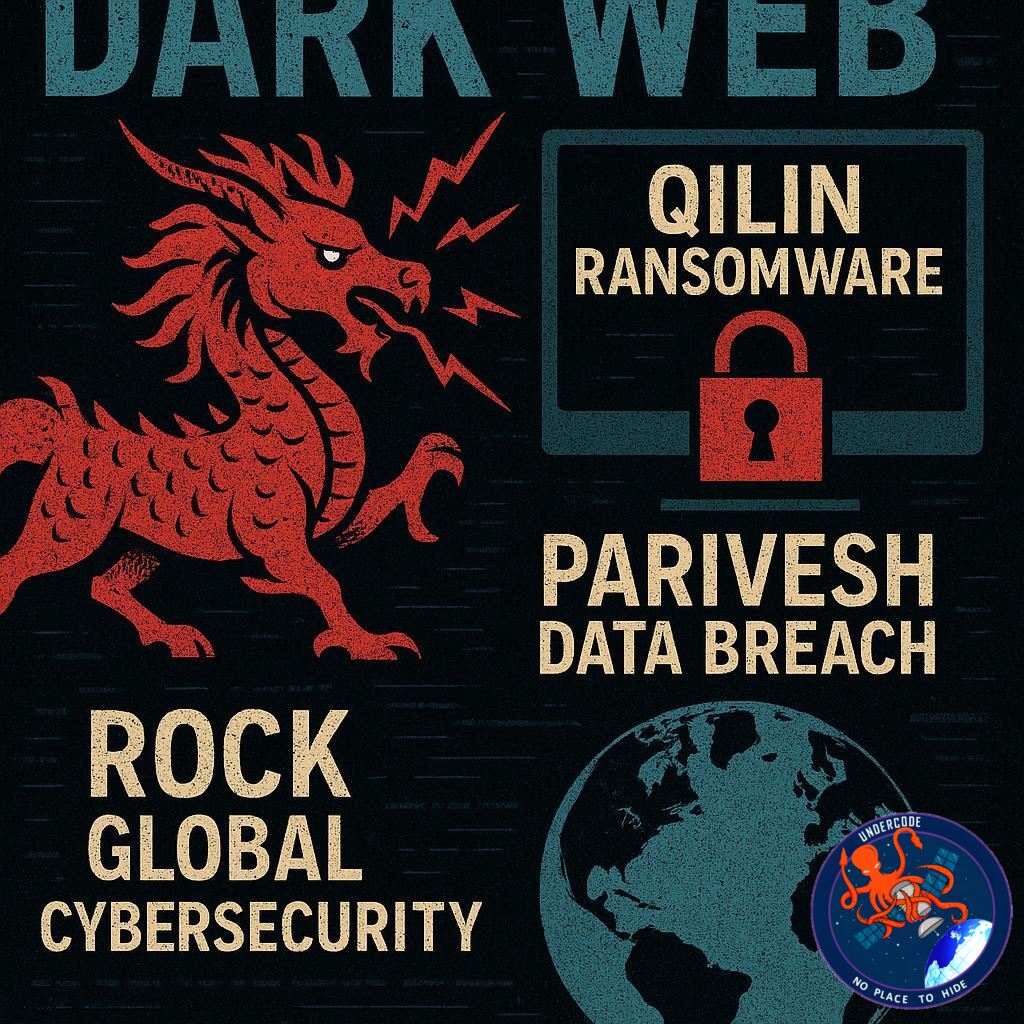
Cybersecurity threats are escalating at an alarming rate, with hackers targeting both private companies and government entities worldwide. Recent intelligence from the dark web reveals two major cyber incidents that have captured global attention. First, the notorious Qilin ransomware group has listed new victims, including Office Pro in Chile and MPM Imports LTD in Cyprus. Second, India’s Parivesh government portal has allegedly suffered a massive data breach, potentially exposing sensitive records of over 1.2 million users, including government officials and banking details. These attacks highlight the growing sophistication of cybercriminals and the urgent need for stronger digital defenses.
Events
The Qilin ransomware group, infamous for targeting organizations across multiple industries, has now claimed responsibility for compromising Office Pro (Chile) and MPM Imports LTD (Cyprus). The listing of these companies on the dark web suggests that sensitive corporate data may be encrypted, stolen, or even leaked if ransom demands are not met. Such incidents not only disrupt operations but also place employees, clients, and business partners at risk of identity theft and fraud.
Simultaneously, India has been struck by another digital disaster. A hacker claims to have breached the Parivesh government portal, leaking confidential information of 1.2 million individuals. The alleged data includes personal identification details, financial information, and records of high-ranking officials. If verified, this would mark one of the most significant breaches of government systems in India, raising questions about the country’s cybersecurity preparedness.
The timing of these events underscores a disturbing trend: cyberattacks are no longer isolated cases but part of a broader wave of global digital warfare. Hackers exploit weak infrastructure, outdated security systems, and the value of sensitive data to gain financial and strategic advantage. Whether through ransomware campaigns or massive breaches, the stakes have never been higher.
What Undercode Say:
The latest attacks reveal several deep insights into how the cybercrime ecosystem is evolving:
1. Global Reach of Cyber Gangs
The targeting of victims across Latin America, Europe, and Asia proves that ransomware groups like Qilin operate without geographical restrictions. These groups are profit-driven, going after companies regardless of their size or location.
2. Rising Risk for SMEs and Mid-Tier Businesses
While multinational giants often make headlines, these cases show that small and medium-sized enterprises (SMEs) are equally vulnerable. SMEs may lack the cybersecurity budgets of larger corporations, making them easy prey for hackers.
3. Government Systems in Jeopardy
The Parivesh breach highlights a critical concern: government platforms are treasure troves of sensitive data. Breaching such systems not only harms citizens but can also destabilize trust in public institutions.
4. Dark Web Economy
Stolen data is not just about blackmail; it fuels an underground economy. Bank details, identity numbers, and confidential government records can be sold to fraudsters, leading to financial crime on a global scale.
5. Impact on International Relations
With Chile, Cyprus, and India all involved in recent incidents, there’s potential for international cybersecurity cooperation but also heightened tensions if foreign hackers are suspected.
6. Pattern of Escalation
The ransomware listing and the alleged government breach suggest hackers are not slowing down — instead, they’re scaling up, seeking larger targets and more valuable data.
7. The Role of Ransom Negotiations
For the companies listed by Qilin, the next few weeks will be crucial. If negotiations fail, leaked files could devastate corporate reputations and trigger regulatory penalties.
8. India’s Challenge
India has been striving to digitize governance, but this breach exposes weaknesses in its cybersecurity architecture. A breach of 1.2 million users could have long-term consequences for digital trust and public adoption of e-governance tools.
9. Public-Private Partnerships Needed
Fighting cybercrime requires collaboration. Private security firms, governments, and international watchdogs must coordinate to track, mitigate, and dismantle ransomware groups.
10. Future Outlook
If current trends continue, ransomware and government data breaches will dominate global cybersecurity narratives, forcing nations and companies to spend billions on defense strategies.
✅ Fact Checker Results
Qilin ransomware has officially listed Office Pro and MPM Imports LTD on the dark web leak site.
A hacker has claimed responsibility for leaking 1.2 million user records from India’s Parivesh portal.
Verification of the breach’s authenticity is still ongoing, but early evidence supports the claim.
🔮 Prediction
In the coming months, we can expect ransomware groups like Qilin to expand their targets beyond private companies to critical infrastructure such as energy, healthcare, and transportation. Meanwhile, large-scale government data breaches will continue, with hackers aiming to exploit weaknesses in developing nations’ cybersecurity frameworks. Unless swift global measures are taken, 2026 may witness one of the biggest waves of coordinated cyberattacks in history.
🕵️📝✔️Let’s dive deep and fact‑check.
References:
Reported By: x.com
Extra Source Hub:
https://www.medium.com
Wikipedia
OpenAi & Undercode AI
Image Source:
Unsplash
Undercode AI DI v2
🔐JOIN OUR CYBER WORLD [ CVE News • HackMonitor • UndercodeNews ]
📢 Follow UndercodeNews & Stay Tuned:
𝕏 formerly Twitter 🐦 | @ Threads | 🔗 Linkedin | 🦋BlueSky | 🐘Mastodon


