
Listen to this Post
 Introduction: A New Alarm Bell in the Global Cybersecurity Landscape
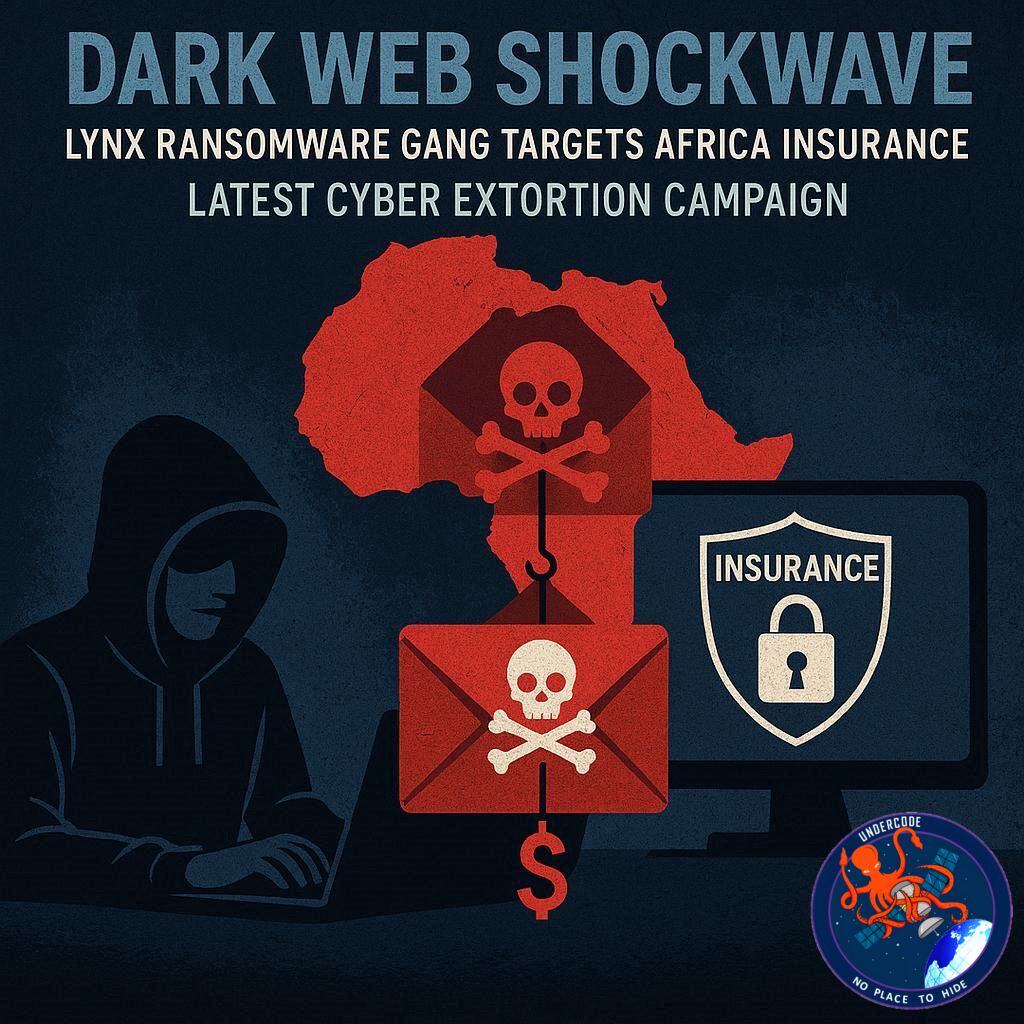
The global cybersecurity community woke up to troubling news when threat intelligence monitoring systems detected a new ransomware victim linked to the notorious Lynx Ransomware Group. According to intelligence analysts monitoring dark web activity, the group has allegedly added Africa Insurance to its growing list of victims. The revelation surfaced through threat monitoring data published by ThreatMon, a cybersecurity intelligence platform that tracks ransomware leaks, command-and-control infrastructure, and emerging cybercrime campaigns.
Although the original disclosure appeared as a brief alert on social media, the implications reach far beyond a single company. Cyberattacks against financial and insurance organizations are escalating globally, and ransomware operators increasingly target industries that store vast amounts of sensitive customer data. If confirmed, the incident could expose policyholder records, financial information, and internal corporate systems to criminal exploitation.
The claim emerged on March 13, 2026, when monitoring systems flagged a dark web update indicating that the Lynx ransomware group had listed Africa Insurance among its victims. Such listings often appear on ransomware “leak sites,” where criminal organizations publish the names of companies they claim to have compromised in order to pressure them into paying ransom demands.
While details remain limited, cybersecurity observers note that the pattern matches a common extortion strategy: attackers infiltrate networks, exfiltrate confidential data, encrypt systems, and then publicly announce the breach to intensify reputational damage. Whether Africa Insurance has confirmed or denied the incident remains unclear at this stage, but the alert has already triggered discussions among security researchers and industry analysts.
The incident highlights the increasing reliance on threat intelligence platforms to detect cybercrime operations in real time. Organizations like ThreatMon constantly monitor hacker forums, ransomware leak sites, and underground marketplaces to identify early warning signs of cyberattacks before official disclosures occur.
In many cases, dark web disclosures appear days or even weeks before companies publicly acknowledge breaches. As a result, cybersecurity analysts treat these alerts as early signals rather than final confirmations.
The potential targeting of an insurance company also underscores a broader trend: financial institutions have become high-value targets for ransomware groups due to their ability to pay large ransom demands and their responsibility for protecting sensitive client information.
Even when attacks remain unverified, the appearance of a company’s name on a ransomware leak site can trigger immediate reputational damage and internal security investigations.
For Africa Insurance, the next steps will likely involve forensic analysis, internal security assessments, and possible coordination with cybersecurity authorities.
Meanwhile, the global cybersecurity community continues monitoring the Lynx group’s activities to determine whether the claim represents a confirmed breach or simply an attempt at intimidation.
the Original Alert and Incident Context
Dark Web Monitoring Reveals Potential Ransomware Victim
A cybersecurity alert published online reported that the ransomware group Lynx had allegedly added Africa Insurance to its list of victims. The discovery came through monitoring activity conducted by ThreatMon’s threat intelligence team, which tracks ransomware campaigns and underground cybercrime activity.
Social Media Alert Sparks Security Community Attention
The announcement appeared as a brief post highlighting the detection of ransomware activity linked to Lynx. The post included references to dark web monitoring and suggested that Africa Insurance had been listed as a victim on the group’s ransomware leak infrastructure.
Minimal Initial Details Released
At the time of the alert, very few technical details were available. There was no immediate confirmation regarding the nature of the attack, the extent of any data compromise, or whether Africa Insurance had suffered operational disruptions.
Ransomware Leak Listings Often Signal Extortion Pressure
Cybersecurity researchers explain that ransomware groups frequently publish the names of organizations they claim to have breached as a psychological pressure tactic. These leak announcements aim to push companies toward paying ransom demands to prevent data exposure.
Insurance Industry Increasingly Targeted by Cybercriminals
Insurance companies represent attractive targets because they maintain extensive databases of personal and financial records. Attackers who successfully penetrate such networks can obtain sensitive information with significant black-market value.
Threat Intelligence Platforms Track Emerging Cyber Threats
ThreatMon’s monitoring systems are designed to collect indicators of compromise (IOC) and command-and-control (C2) data linked to cybercriminal infrastructure. This intelligence helps security professionals detect new attacks and track ransomware operations.
Dark Web Announcements Often Precede Official Statements
In many cases, ransomware operators publish victim names before organizations confirm incidents. This means early reports should be treated as intelligence signals rather than verified breaches.
Africa Insurance Yet to Provide Public Response
As of the initial report, there was no public confirmation from Africa Insurance regarding the alleged attack. Organizations often delay responses until internal investigations verify the situation.
Rising Global Ransomware Activity
The incident aligns with a wider surge in ransomware attacks affecting corporations, governments, and infrastructure worldwide.
Cybersecurity Community Continues Monitoring
Researchers and analysts will likely monitor dark web leak sites and additional threat intelligence feeds to determine whether the claim leads to further data disclosures.
What Undercode Says:
The Strategic Targeting of Financial Institutions
Ransomware groups increasingly focus on financial service providers because these organizations handle massive volumes of personal data and financial records. Insurance companies, in particular, store everything from identity documents to health-related claims information, making them a goldmine for cybercriminals seeking leverage.
Why Insurance Firms Are Becoming Prime Targets
Unlike some industries, insurance firms depend heavily on continuous access to digital databases. If ransomware attackers successfully encrypt internal systems, the resulting operational disruption can halt claims processing, policy management, and financial transactions. This pressure dramatically increases the likelihood that victims will consider paying ransom demands.
The Psychological Warfare of Leak Sites
Modern ransomware attacks are no longer limited to encryption. Groups like Lynx rely heavily on psychological pressure through public leak sites. By publishing a victim’s name online, attackers attempt to damage brand reputation and force executives into quick negotiations.
The Rise of “Double Extortion” Tactics
A major evolution in ransomware strategy is the so-called “double extortion” model. Attackers not only lock company systems but also steal confidential data before encryption occurs. Even if the victim restores backups, the threat of public data leaks remains.
Dark Web Monitoring as an Early Warning System
Threat intelligence platforms such as ThreatMon provide a crucial service to the cybersecurity ecosystem. Their monitoring systems often identify ransomware announcements long before official disclosures. This early intelligence can help organizations prepare defensive measures.
The Credibility Question Behind Dark Web Claims
However, it is important to recognize that not every ransomware leak announcement reflects a confirmed breach. Some groups exaggerate their success or list companies they merely attempted to attack. Verification usually requires forensic investigation.
Data Exposure Could Be the Real Risk
If the attack against Africa Insurance proves genuine, the most significant threat may not be operational downtime but potential exposure of sensitive customer records. Insurance data often includes addresses, identification numbers, and financial details.
Reputational Damage Can Exceed Financial Losses
For companies in the financial services sector, trust is everything. Even a rumored breach can cause customers to question the safety of their personal data. In many ransomware cases, the reputational fallout lasts far longer than the technical incident itself.
The Expanding Ecosystem of Ransomware Groups
Groups like Lynx operate within a broader cybercrime ecosystem that includes data brokers, malware developers, and access brokers. These networks allow attackers to buy stolen credentials or previously compromised system access.
Global Cybercrime Is Becoming Industrialized
Cybercrime is no longer the work of isolated hackers. It has evolved into an organized industry with structured groups, revenue models, and even “customer support” operations for negotiating ransoms.
The Importance of Transparent Incident Response
If Africa Insurance confirms the breach, its response strategy will play a crucial role in determining the long-term impact. Transparent communication with regulators and customers often helps mitigate reputational damage.
Lessons for the Entire Insurance Sector
Even if the attack remains unconfirmed, the situation serves as a warning to the broader insurance industry. Companies must invest in stronger cybersecurity frameworks, employee awareness training, and continuous threat monitoring.
Cybersecurity Preparedness Is Now a Business Requirement
Organizations can no longer treat cybersecurity as a purely technical function. It has become a core component of corporate risk management and operational continuity.
Ransomware Attacks Are Not Slowing Down
Despite increased awareness, ransomware attacks continue to rise each year. As long as organizations remain vulnerable and ransom payments remain profitable, cybercriminal groups will continue expanding their operations.
🔍 Fact Checker Results
Confirmed Monitoring Alert
✅ Threat intelligence monitoring systems reported that Lynx listed Africa Insurance as a victim.
Lack of Official Confirmation
❌ No verified public statement from Africa Insurance confirming a ransomware breach at the time of the alert.
Dark Web Claims Require Verification
⚠️ Listings on ransomware leak sites often signal attacks but do not always prove that a full data breach occurred.
📊 Prediction
Escalation of Attacks Against Insurance Companies
Cybersecurity trends suggest that insurance firms will face increasing ransomware pressure in the coming years. As attackers refine data-theft tactics and exploit weak network defenses, more companies in the financial services sector are likely to appear on ransomware leak sites.
Growth of Threat Intelligence Monitoring
Platforms similar to ThreatMon will become essential tools for early cyberattack detection. Organizations will rely on dark web monitoring not only to detect breaches but also to anticipate threats before they escalate.
Regulatory Pressure Following Cyber Incidents
If attacks like this continue, regulators worldwide may impose stricter cybersecurity compliance requirements on financial institutions, forcing companies to strengthen their defenses against ransomware campaigns.
🕵️📝✔️Let’s dive deep and fact‑check.
References:
Reported By: x.com
Extra Source Hub (Possible Sources for article):
https://www.facebook.com
Wikipedia
OpenAi & Undercode AI
Image Source:
Unsplash
Undercode AI DI v2
Bing
🔐JOIN OUR CYBER WORLD [ CVE News • HackMonitor • UndercodeNews ]
📢 Follow UndercodeNews & Stay Tuned:
𝕏 formerly Twitter 🐦 | @ Threads | 🔗 Linkedin | 🦋BlueSky | 🐘Mastodon


