
Listen to this Post
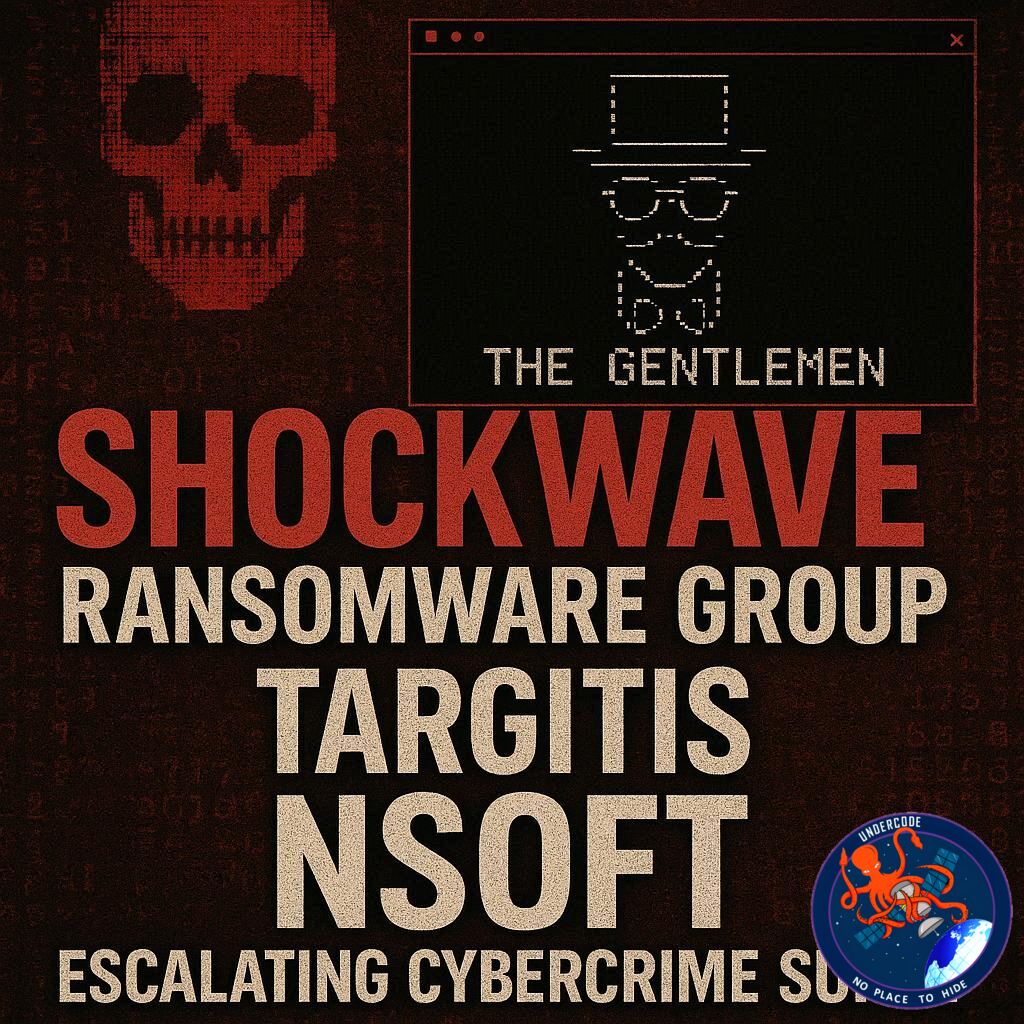
The cyber threat landscape took another alarming turn as new ransomware activity surfaced on the dark web, revealing yet another high-profile victim. Threat intelligence sources have identified a growing pattern of coordinated attacks carried out by organized cybercriminal groups, with major companies increasingly falling into their crosshairs. The latest incident involves the ransomware group known as “TheGentlemen,” which has reportedly added NSOFT to its list of victims. This development signals not just an isolated breach, but a continuation of a broader, deeply concerning trend in global cybersecurity.
According to intelligence shared by ThreatMon, the attack was detected on April 14, 2026, at approximately 10:26 AM (UTC+3). The group publicly disclosed the breach on dark web channels, a tactic commonly used to pressure victims into paying ransom demands. While specific details about the scale of the breach remain undisclosed, the mere inclusion of NSOFT on the group’s victim list raises serious concerns about data exposure, operational disruption, and financial damage.
This incident did not occur in isolation. Around the same timeframe, another notorious ransomware group, “LockBit5,” reportedly targeted an external entity, further highlighting the intensity and frequency of these attacks. The simultaneous emergence of multiple ransomware campaigns underscores how cybercriminal ecosystems are evolving rapidly, often operating in parallel and sometimes even in competition.
TheGentlemen group, though less publicly infamous than some of its counterparts, appears to be steadily building a reputation through targeted attacks on organizations that may possess valuable data or operational leverage. Their strategy mirrors that of other ransomware groups: infiltrate systems, encrypt critical data, and threaten public leaks unless payment is made. The use of dark web platforms to announce victims has become a hallmark of modern ransomware operations, effectively turning cybercrime into a public spectacle.
For NSOFT, the implications could be significant. Beyond immediate technical disruptions, ransomware attacks often lead to reputational damage, regulatory scrutiny, and long-term trust issues with clients and partners. Even if systems are restored, the shadow of a breach tends to linger, affecting business continuity and stakeholder confidence.
At a broader level, this incident reflects the ongoing industrialization of cybercrime. Ransomware groups are no longer isolated hackers but structured entities with tools, affiliates, and business models. They leverage threat intelligence gaps, exploit vulnerabilities, and capitalize on delayed responses. The dark web serves as both a marketplace and a communication hub, enabling these groups to operate with relative anonymity while maximizing impact.
As organizations continue to digitize operations, their attack surface expands, making them more vulnerable to sophisticated intrusions. The NSOFT case is yet another reminder that cybersecurity is no longer optional—it is a critical component of modern business resilience.
What Undercode Says:
Ransomware Has Become a Full-Fledged Industry
What we are witnessing is not random hacking—it is structured cybercrime operating like a business. Groups like TheGentlemen and LockBit5 are functioning with defined roles, revenue models, and even branding strategies. This shift means organizations are no longer dealing with lone attackers but with coordinated, persistent adversaries.
Dark Web Disclosure Is Psychological Warfare
Announcing victims publicly is not just about exposure—it’s about pressure. By naming NSOFT on the dark web, attackers are forcing urgency, leveraging fear of reputational collapse to accelerate ransom negotiations. This tactic is proving highly effective and is now standard practice.
Mid-Tier Companies Are Increasingly Targeted
While global giants often dominate headlines, attackers are now focusing on mid-sized firms like NSOFT. These organizations may lack the robust defenses of larger corporations but still hold valuable data, making them ideal targets.
Simultaneous Attacks Signal Ecosystem Growth
The fact that LockBit5 conducted a separate attack within minutes of TheGentlemen’s disclosure is not coincidence—it reflects scale. Multiple groups are operating concurrently, suggesting a crowded and competitive ransomware ecosystem.
Threat Intelligence Is Reactive, Not Preventive
Platforms like ThreatMon provide critical visibility, but they often detect attacks after they occur. This highlights a major gap in cybersecurity: prevention still lags behind detection, leaving organizations exposed during critical windows.
Data Is the New Currency
Ransomware attacks are no longer just about encryption—they are about data leverage. Even if backups exist, the threat of data leaks can force companies into difficult decisions, especially when sensitive or proprietary information is involved.
Cybersecurity Investment Is Still Lagging
Despite rising threats, many organizations continue to underinvest in cybersecurity infrastructure. This imbalance creates opportunities for attackers, who only need to succeed once, while defenders must succeed every time.
Reputation Damage Outlasts Technical Recovery
Even if NSOFT restores its systems quickly, the reputational impact may persist. Clients and partners may question security practices, leading to long-term business consequences that exceed the immediate financial cost.
Attack Attribution Remains Murky
Groups like TheGentlemen operate behind layers of anonymity, making it difficult to trace origins or enforce legal consequences. This lack of accountability fuels continued attacks.
The Future Points to Automation in Cybercrime
Ransomware operations are becoming increasingly automated, from scanning vulnerabilities to deploying payloads. This will likely increase attack frequency while reducing the skill barrier for cybercriminals.
Fact Checker Results
Verification of Attack Source
✅ The involvement of ThreatMon as a reporting source aligns with known threat intelligence practices.
Ransomware Group Activity
✅ TheGentlemen and LockBit-style operations match established ransomware behavior patterns.
Public Disclosure Tactics
✅ Dark web victim announcements are a confirmed and widely used coercion method.
Prediction
The frequency and coordination of ransomware attacks will continue to rise, with emerging groups like TheGentlemen gaining prominence alongside established players. Organizations that fail to adopt proactive cybersecurity measures will increasingly find themselves targeted, especially in sectors with valuable or sensitive data. Over the next year, expect a surge in double-extortion tactics, where data leaks become more damaging than system shutdowns, fundamentally reshaping how companies respond to cyber threats.
🕵️📝✔️Let’s dive deep and fact‑check.
References:
Reported By: x.com
Extra Source Hub (Possible Sources for article):
https://www.reddit.com
Wikipedia
OpenAi & Undercode AI
Image Source:
Unsplash
Undercode AI DI v2
Bing
🔐JOIN OUR CYBER WORLD [ CVE News • HackMonitor • UndercodeNews ]
📢 Follow UndercodeNews & Stay Tuned:
𝕏 formerly Twitter 🐦 | @ Threads | 🔗 Linkedin | 🦋BlueSky | 🐘Mastodon


