
Listen to this Post
Introduction
The ransomware ecosystem continues to evolve at an alarming pace, with cybercriminal groups aggressively targeting businesses, law firms, and media organizations across the globe. On May 18, 2026, cybersecurity monitoring platform ThreatMon
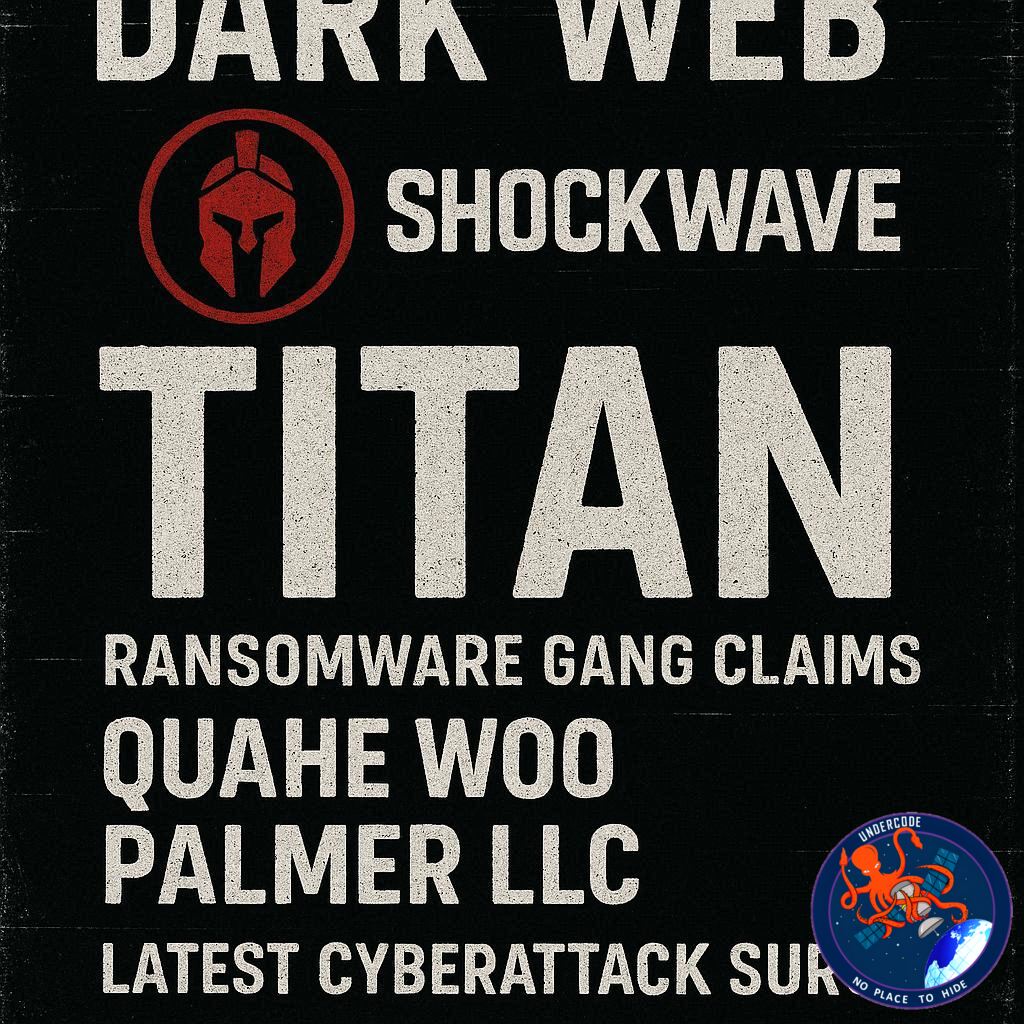
reported that the notorious ransomware group known as “Titan” allegedly added Quahe Woo & Palmer LLC to its growing list of victims. The revelation surfaced through dark web monitoring activities conducted by ThreatMon’s intelligence team, highlighting yet another concerning chapter in the escalating ransomware crisis.
The report quickly attracted attention within cybersecurity circles because attacks against legal firms often involve highly sensitive client records, confidential financial information, internal communications, and potentially privileged legal documentation. As cybercriminal organizations become more strategic, law firms have increasingly become prime targets due to the immense value of the data they hold.
At nearly the same time, another ransomware actor identified as “SafePay” reportedly targeted MediaFrance.de, demonstrating how multiple threat groups continue operating simultaneously across different industries. These incidents collectively paint a troubling picture of the modern cybercrime landscape, where ransomware gangs function almost like organized digital corporations.
Titan Ransomware Group Allegedly Expands Its Victim List
According to ThreatMon’s monitoring activity on X, the Titan ransomware operation publicly listed Quahe Woo & Palmer LLC as a victim on May 18, 2026. The announcement was reportedly discovered through dark web surveillance operations focused on ransomware leak sites and underground criminal infrastructure.
Ransomware gangs frequently publish victim names online to pressure organizations into paying extortion demands. These leak sites have become one of the most common intimidation tactics used by cybercriminals. Once a company refuses payment or delays negotiations, attackers often threaten to release stolen files publicly.
While details regarding the exact nature of the intrusion remain limited, the appearance of Quahe Woo & Palmer LLC on Titan’s alleged victim list raises serious concerns regarding potential data exposure. Legal organizations are particularly vulnerable because they maintain extensive archives of contracts, litigation records, financial agreements, and confidential client information.
The timing of the disclosure also reflects a broader surge in ransomware operations during 2026, with many groups adopting more aggressive public shaming techniques to maximize leverage against victims.
Why Law Firms Have Become High-Value Targets
Cybercriminal organizations increasingly view law firms as digital treasure vaults. Unlike traditional businesses that may only hold internal company data, legal firms manage highly confidential material belonging to multiple clients simultaneously.
This creates several lucrative opportunities for ransomware operators:
Sensitive legal negotiations
Intellectual property documentation
Financial settlements
Corporate merger records
Private litigation details
Personal identification information
Attackers understand that exposure of such records can create devastating reputational and legal consequences. As a result, law firms may face immense pressure to resolve ransomware situations quickly.
Smaller and mid-sized firms are especially vulnerable because they often lack enterprise-grade cybersecurity defenses while still maintaining valuable datasets attractive to attackers.
SafePay Activity Signals Broader Coordinated Threat Environment
The same ThreatMon monitoring stream also identified activity linked to another ransomware group known as SafePay. According to the report, the group allegedly targeted MediaFrance.de only hours after the Titan disclosure emerged.
The appearance of multiple ransomware announcements within such a short timeframe demonstrates how active and competitive the ransomware economy has become. Threat groups now operate continuously, launching attacks across various industries without geographic limitations.
Cybersecurity analysts have increasingly observed that modern ransomware gangs behave similarly to multinational criminal enterprises. Many groups operate affiliate programs where independent hackers deploy ransomware in exchange for revenue sharing agreements.
This “Ransomware-as-a-Service” model has significantly lowered the barrier for cybercriminal participation, contributing to the explosive growth in attacks worldwide.
The Growing Role of Dark Web Leak Sites
Dark web leak portals have evolved into psychological warfare platforms. In the past, ransomware primarily focused on encrypting systems and demanding payment for decryption keys. Today, many operations prioritize data theft before encryption even begins.
This dual-extortion model allows attackers to threaten victims in two ways:
Permanent loss of operational access
Public release of confidential data
Leak sites serve several purposes for cybercriminals:
Public humiliation
Negotiation pressure
Reputation building among criminals
Marketing for future affiliates
Demonstration of operational capability
Groups like Titan allegedly leverage these tactics to strengthen their presence within underground cybercrime communities.
Corporate Cybersecurity Defenses Facing Relentless Pressure
The increasing frequency of ransomware disclosures highlights the widening gap between attacker sophistication and corporate defense readiness.
Modern ransomware operations frequently exploit:
Phishing campaigns
Compromised credentials
Unpatched vulnerabilities
Remote desktop exposures
Supply chain weaknesses
Insider threats
Organizations now face attackers capable of moving laterally through networks within hours after initial compromise. Some ransomware groups spend weeks silently harvesting information before executing attacks.
This stealth-based strategy makes early detection increasingly difficult, particularly for organizations without advanced threat monitoring systems.
What Undercode Says:
The Titan Incident Reflects a Dangerous Evolution in Cybercrime
The alleged targeting of Quahe Woo & Palmer LLC represents more than a single ransomware incident. It highlights the transformation of cybercrime into a mature underground economy driven by data monetization, extortion psychology, and operational efficiency.
Ransomware groups no longer behave like isolated hackers working from basements. Many now resemble structured organizations with dedicated negotiators, developers, infrastructure managers, and public relations-style leak operations. The publication of victim names is not random intimidation—it is carefully calculated brand positioning within the criminal ecosystem.
Titan’s alleged activity also underscores the growing vulnerability of professional service sectors. Law firms traditionally focused heavily on physical confidentiality and contractual security, yet many still lag behind in modern cyber resilience architecture. Attackers understand this imbalance and actively exploit it.
One of the most alarming aspects of these incidents is the industrialization of ransomware operations. The emergence of affiliate-driven ecosystems means cybercriminals can scale attacks globally without centralized execution. This creates an environment where multiple independent actors simultaneously launch campaigns using shared ransomware infrastructure.
The inclusion of MediaFrance.de in SafePay’s alleged victim list further demonstrates that no industry remains immune. Media companies, law firms, healthcare institutions, manufacturing plants, and even educational organizations are all now operating within the same high-risk digital battlefield.
Another critical issue is the reputational dimension of ransomware. Public exposure often damages organizations long before investigators determine whether data was truly stolen or leaked. The mere appearance of a company’s name on a dark web leak portal can trigger panic among clients, partners, and regulators.
This psychological aspect has become one of the most effective weapons used by ransomware gangs. Fear itself now functions as leverage.
The broader cybersecurity industry also faces a strategic challenge: attackers innovate faster than many organizations can adapt. Defensive frameworks often rely on periodic updates and compliance checklists, while ransomware groups continuously evolve tactics in real time.
Artificial intelligence may further intensify this imbalance. Emerging AI-assisted phishing campaigns, automated vulnerability discovery, and intelligent social engineering techniques could significantly enhance future ransomware operations.
Additionally, the economics behind ransomware remain highly favorable for criminals. Cryptocurrency ecosystems, anonymous hosting services, and jurisdictional fragmentation make prosecution extremely difficult. Even when law enforcement disrupts a ransomware group, successors or rebranded operations often emerge rapidly.
Another overlooked factor is ransomware fatigue. As attacks become increasingly common, organizations may underestimate risks until they become direct victims themselves. This normalization of cyberattacks creates dangerous complacency.
The legal implications are equally severe. Firms handling regulated or confidential data may face lawsuits, compliance investigations, financial penalties, and contractual fallout after breaches. For law firms specifically, client trust is foundational. Any compromise involving privileged material can produce long-term reputational scars.
From an operational perspective, modern ransomware incidents can cripple organizations beyond immediate encryption events. Recovery costs often include:
Forensic investigations
Infrastructure rebuilding
Legal consultation
Regulatory reporting
Public relations damage control
Lost business opportunities
In many cases, downtime alone generates losses far exceeding ransom demands.
Cybersecurity is no longer merely an IT concern—it has become a core business survival issue. Executive leadership, legal departments, compliance teams, and operational managers must now treat ransomware preparedness as a strategic necessity rather than optional technical maintenance.
The Titan disclosure also highlights the importance of threat intelligence monitoring. Platforms like ThreatMon
play an increasingly valuable role by identifying emerging ransomware activity before broader public awareness develops.
Ultimately, the ransomware crisis is entering a new phase where attacks are not isolated anomalies but recurring operational realities for businesses worldwide. The organizations that survive this environment will likely be those capable of combining technical resilience, rapid response planning, employee awareness, and proactive intelligence monitoring into a unified defense strategy.
🔍 Fact Checker Results
✅ ThreatMon Did Publicly Report the Incident
ThreatMon monitoring activity on X did publicly mention Titan allegedly adding Quahe Woo & Palmer LLC to its victim list on May 18, 2026.
✅ Ransomware Groups Commonly Use Leak Sites
Cybersecurity researchers have consistently documented that ransomware gangs frequently publish victim names online to pressure organizations into paying extortion demands.
❌ No Independent Confirmation of Data Theft Yet
As of now, there is no independently verified public evidence confirming whether data from Quahe Woo & Palmer LLC was actually stolen, leaked, or encrypted.
📊 Prediction
Ransomware Groups Will Intensify Attacks on Professional Services
Law firms, accounting firms, consulting agencies, and media companies will likely experience increased ransomware targeting throughout 2026 and beyond. These organizations possess highly monetizable data yet often lack the hardened cybersecurity infrastructure found in major technology corporations.
AI-Driven Cyberattacks Could Escalate Rapidly
Threat actors are expected to integrate artificial intelligence into phishing, reconnaissance, and malware deployment strategies, making future ransomware campaigns faster, more adaptive, and harder to detect.
Public Leak Tactics Will Become Even More Aggressive
Cybercriminal groups will likely continue evolving leak-site strategies by publishing sample files, countdown timers, and negotiation transcripts to amplify pressure on victims and maximize ransom payments.
🕵️📝Let’s dive deep and fact‑check.
References:
Reported By: x.com
Extra Source Hub (Possible Sources for article):
https://www.reddit.com
Wikipedia
OpenAi & Undercode AI
Image Source:
Unsplash
Undercode AI DI v2
Bing
🔐JOIN OUR CYBER WORLD [ CVE News • HackMonitor • UndercodeNews ]
📢 Follow UndercodeNews & Stay Tuned:
𝕏 formerly Twitter 🐦 | @ Threads | 🔗 Linkedin | 🦋BlueSky | 🐘Mastodon


