
Listen to this Post
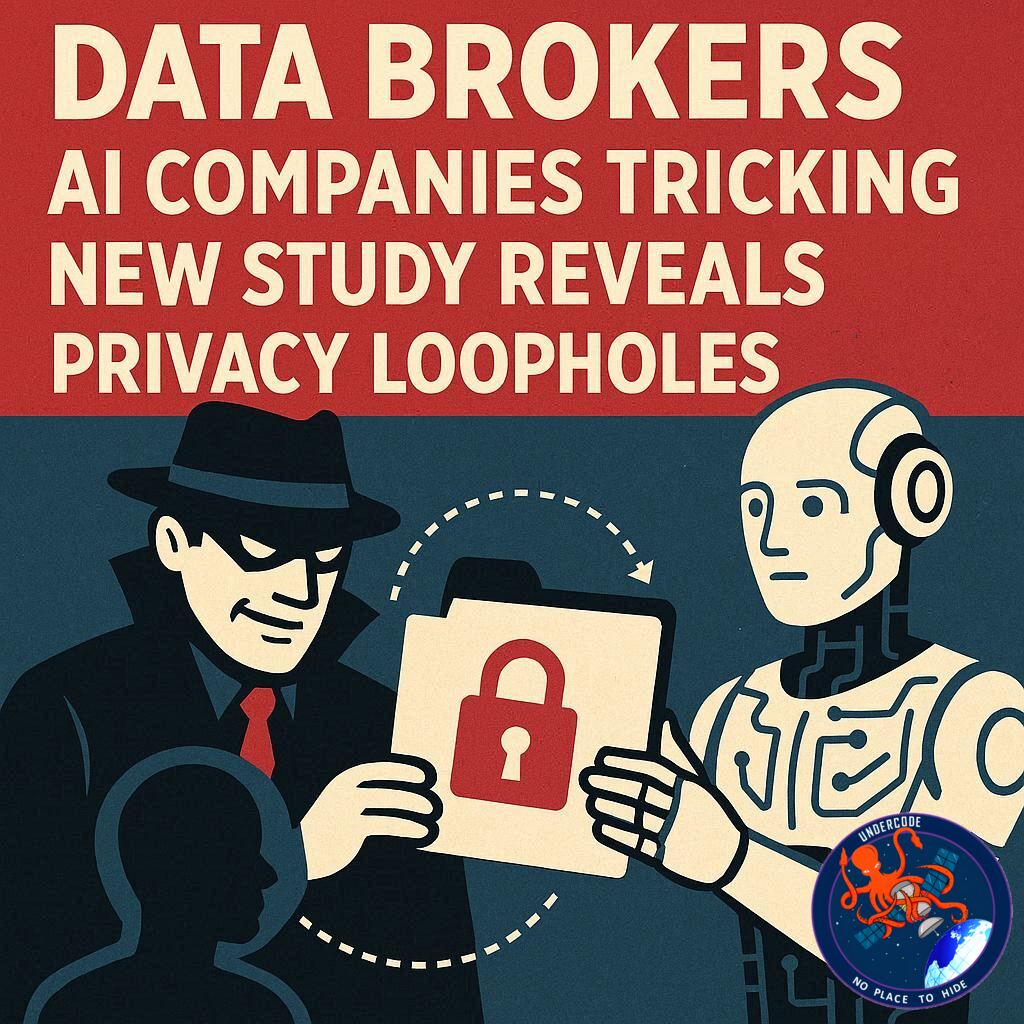
In an age where personal data has become the most valuable currency, a new privacy study has revealed that major data brokers and AI companies are deliberately misleading consumers who try to protect their information. From hidden forms to misleading opt-out processes, the research uncovers how even tech giants like Google, Meta, and OpenAI exploit loopholes to maintain access to your personal data. For anyone who thought clicking “opt out” would give them control, the reality is far more complex—and far more troubling.
How Data Brokers Operate
Data brokers collect personal information from countless sources: app developers, websites, and public data scraping. They aggregate this information into detailed profiles and sell it to companies for marketing, spam, and other commercial purposes. While many consumers attempt to regain control over their data, these brokers have built systems that actively discourage or mislead users from successfully opting out.
The Audit Findings
Privacy researchers conducted an extensive audit of 38 major data-collecting companies, including AI vendors, data brokers, and dating app developers. The results were alarming: deceptive practices were widespread, and outright dishonesty was common.
Opt-out forms that don’t actually allow consumers to stop the sale of their data.
Links buried in fine print or missing from homepages.
Multi-step forms that force users to submit multiple requests for a single opt-out.
Requirements for users to create accounts or pay subscriptions before they can opt out.
These tactics were not limited to small or obscure companies; some of the most recognizable names in tech were implicated.
Tech Giants Under the Microscope
Companies like Google, Meta, and OpenAI make it particularly difficult to locate opt-out forms, with confusing instructions and fragmented processes. For example, OpenAI’s opt-out option only removes personal information from ChatGPT’s responses—not from the company’s databases. This distinction is subtle but critical, as underlying data continues to be stored and potentially shared.
Mixed Messages from OpenAI
OpenAI has given contradictory statements about its data practices. While publicly claiming not to sell user data, the company acknowledges sharing some information with marketing partners for targeted advertising. Such conflicting messaging leaves consumers uncertain about what happens to their personal information.
People-Search Brokers: The Worst Offenders
People-search platforms like Spokeo, Whitepages, and National Public Data offer no real opt-out for the sale or transfer of personal information. Instead, they allow individuals to remove listings one URL at a time—hardly a comprehensive solution, and with no guarantee that data won’t be sold again in the future.
9to5Mac Perspective
The study underlines a broader concern: data brokers operate in a largely unregulated environment that allows them to profit from consumer data without accountability. Advocates argue that the U.S. urgently needs federal privacy protections akin to Europe’s GDPR to give individuals meaningful control over their digital footprint.
What Undercode Says:
This study confirms a troubling reality: opt-out processes are often performative rather than functional. Companies are incentivized to make the process as frustrating and opaque as possible, relying on the assumption that most users will give up before completing the request. Tech giants’ partial transparency adds a layer of deception—users may think their data is safe when it is not.
Data brokers exploit gaps in the regulatory framework to monetize personal information, with little oversight. While AI vendors like OpenAI may not directly sell personal data, their partnerships and targeted advertising practices indicate indirect monetization. This raises ethical and legal questions about consent and user control.
The problem is compounded by people-search brokers, whose business model is fundamentally at odds with consumer privacy. Without comprehensive federal regulation, users are left to navigate labyrinthine processes with little hope of effective protection. The U.S. could take cues from GDPR’s strict opt-out requirements and accountability mechanisms to create enforceable standards for data collection and transfer.
For consumers, vigilance is essential. Understanding the limitations of opt-out mechanisms, reading privacy policies carefully, and using privacy-first tools like VPNs and anonymization services can provide some protection—but systemic change is ultimately necessary. The study also emphasizes the need for transparency from AI companies regarding how user data is used in model training, advertising, and analytics.
Fact Checker Results ✅/❌
✅ Major tech companies (Google, Meta, OpenAI) do have opaque opt-out processes.
✅ People-search brokers like Spokeo and Whitepages do not provide comprehensive opt-out for data sales.
❌ Claims that OpenAI “sells” user data outright are misleading; sharing for marketing occurs under limited conditions.
📊 Prediction
Without federal regulations similar to Europe’s GDPR, the deceptive opt-out tactics used by data brokers and AI companies will likely persist. Public awareness may increase demand for transparency, but true reform requires enforceable privacy laws. Expect a rise in privacy-focused tech solutions and advocacy campaigns in the U.S., as consumers push back against data exploitation and misleading opt-out systems.
If you want, I can also
turn this into a visually scannable article with bullet points, callouts, and sidebars to make it even more engaging for online readers. This often boosts readability and retention dramatically. Do you want me to do that?
🕵️📝Let’s dive deep and fact‑check.
References:
Reported By: 9to5mac.com
Extra Source Hub (Possible Sources for article):
https://www.pinterest.com
Wikipedia
OpenAi & Undercode AI
Image Source:
Unsplash
Undercode AI DI v2
Bing
🔐JOIN OUR CYBER WORLD [ CVE News • HackMonitor • UndercodeNews ]
📢 Follow UndercodeNews & Stay Tuned:
𝕏 formerly Twitter 🐦 | @ Threads | 🔗 Linkedin | 🦋BlueSky | 🐘Mastodon | 📺Youtube


