
Listen to this Post
A New Legal Nightmare Begins
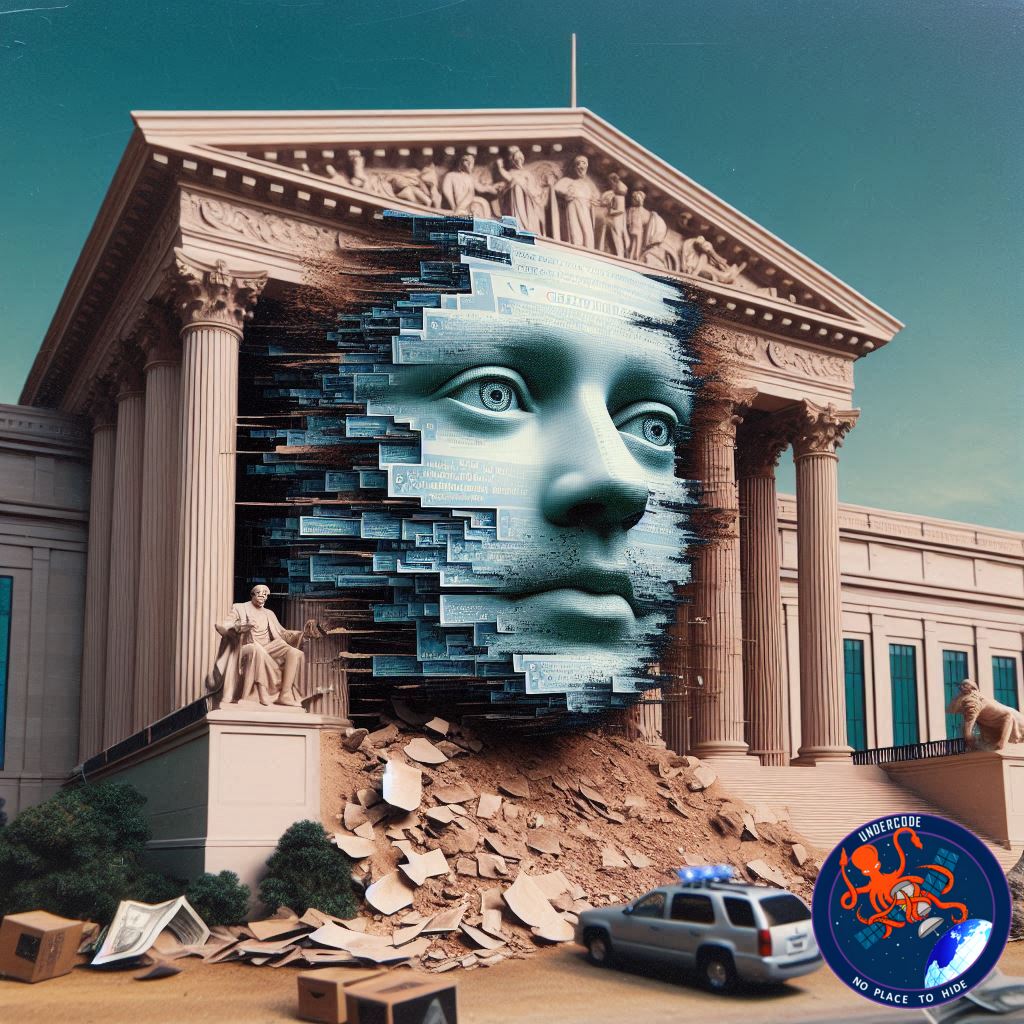
Artificial intelligence is reshaping the very foundation of truth in our legal system. Once considered ironclad, visual and audio evidence like CCTV footage, photographs, and voice recordings are no longer bulletproof in courtrooms. The rise of deepfakes—AI-generated or manipulated media that mimic reality—is eroding the credibility of these digital files, and experts warn that the justice system is unprepared. The implications are far-reaching, from false criminal accusations to doctored evidence used in civil disputes. With AI evolving faster than courtroom procedures and tools, we may be entering a new era of legal doubt where “seeing” is no longer “believing.”
Crumbling Certainty in the Courtroom
In the past, a single photograph, a video clip, or an audio recording could serve as decisive evidence in both criminal and civil trials. But that era is slipping away fast. Digital forensics professionals are sounding the alarm about the dangers of deepfakes—highly convincing synthetic media created with artificial intelligence. As these tools become more accessible and powerful, it’s increasingly difficult to detect when media has been manipulated.
Hypothetical scenarios paint a troubling future: a parent in a custody battle alters a photo to depict a dangerous environment, or a murder suspect is framed by a fabricated video placing them at the crime scene. In one real-life case from Baltimore County, a deepfake audio clip allegedly played a role in a wrongful termination dispute. These incidents show just how easy it has become to falsify reality and weaponize it in court.
Experts stress that deepfake detection now mirrors financial fraud investigations—requiring expert analysis and highly technical tools. Yet even these experts are facing limitations. Current AI-detection systems function like “black boxes,” offering no clear explanation of how they determine authenticity. Forensic teams are scrambling to adapt, using new methods such as transcribing audio and analyzing language structure to identify telltale signs of AI involvement. But even these tools may soon be obsolete, as AI grows better at mimicking human patterns.
Worse, deepfakes pose a two-sided threat. Plaintiffs can fake evidence, but defendants can also claim authentic evidence was fabricated. This creates a new kind of legal stalemate where trust is undermined on both sides. For example, body cam footage could be questioned not because it was altered, but simply because deepfakes exist and introduce doubt.
While courts have historically adapted to evolving technologies—like requiring negatives with early photo evidence—the current pace of AI development has far outstripped legal reforms. Chain-of-custody tracking, metadata verification, and forensic protocols are struggling to keep up with the sophistication of AI manipulation tools.
The real concern is that juries may no longer be able to trust what they see or hear. As deepfakes become nearly indistinguishable from reality, the role of original, untouched files becomes more crucial than ever. Investigators urge individuals to retain metadata-rich files and source materials, such as original voicemails or text messages, as future cases may hinge on them.
Looking ahead, AI has already mastered deepfake images and audio. According to digital security expert Hany Farid, deepfake video is only a couple of years away from being perfected. That means the window for courts and governments to act is closing rapidly. If no solutions are in place soon, the justice system may collapse under the weight of its own uncertainty.
What Undercode Say:
Legal Frameworks Are Losing Ground
The deepfake threat highlights a dramatic shift in the legal field’s relationship with evidence. Traditional tools for authentication—like timestamps, EXIF data, and eyewitness testimony—are no longer sufficient. AI can mimic voices, replicate video textures, and fabricate metadata, eroding the foundational tools used by courts to establish truth.
Forensics at a Crossroads
The demand for digital forensic experts has never been higher, yet their tools remain imperfect. They are often forced to rely on circumstantial clues like unusual phrasing or pixel inconsistencies—methods that will soon be useless as AI becomes more refined. Worse yet, there’s a shortage of these specialists, especially in under-resourced court districts, further delaying justice.
Weaponizing Doubt
What’s most alarming isn’t just the creation of fake evidence—it’s the plausible denial of real evidence. The existence of deepfakes allows anyone to cast doubt on any media, regardless of its authenticity. This creates a dangerous ambiguity in legal disputes. As trust in media crumbles, legal outcomes could hinge more on who tells a more convincing story than who has the better evidence.
Double-Edged Sword for Justice
Ironically, the same AI tools that erode media credibility could also be used to detect fakes. However, these tools are not open-source or standardized, making them vulnerable to manipulation. With each AI detection system operating as a “black box,” there’s no accountability for false positives or negatives.
Disruption Beyond the Courtroom
This crisis doesn’t end at court doors. Law enforcement agencies, insurance companies, and even journalism are starting to question the integrity of digital records. From police body cams to dash cams and security surveillance, every trusted device is now suspect. Without a robust verification system, entire institutions could suffer from legitimacy crises.
The Race for Solutions
Multiple startups and academic labs are working on cryptographic watermarking, blockchain storage, and real-time authentication systems. But these solutions face scalability issues and require widespread adoption. Courts, already behind the curve, are not prepared to implement such advanced tech into evidence protocols quickly.
Ethical and Legislative Lag
Lawmakers have yet to define clear legal parameters around deepfakes in the courtroom. Should deepfake evidence be considered fraud? What level of technical analysis is required to dismiss suspect media? These are questions that remain unanswered, leaving judges and juries to operate in legal limbo.
Future of Testimony
Expect a resurgence of live testimony and real-time cross-examination. As recorded evidence becomes suspect, the legal system may lean more heavily on in-person evaluations, further complicating case logistics and timelines.
Chain-of-Custody Is Critical
In this new era, the integrity of media depends on rigorous documentation of its creation and handling. Without an unbroken chain of custody, even legitimate files can be challenged. Courts will need to invest in infrastructure to support this.
The Psychological Toll
Jurors, witnesses, and even judges may find themselves second-guessing every piece of evidence. This erosion of confidence could prolong trials, increase appeals, and lower public faith in the justice system overall.
🔍 Fact Checker Results:
✅ Deepfake evidence has already impacted real legal cases, including in Baltimore County.
✅ Current AI detection tools lack transparency and standardization, making them unreliable in court.
❌ There are no federal laws specifically governing the use of deepfakes as legal evidence.
📊 Prediction:
Within the next 24 months, deepfake videos will become so realistic that distinguishing real from fake will be nearly impossible without cryptographic verification. Legal institutions will either implement blockchain-style media tracking or face a wave of miscarriages of justice fueled by AI-powered deception. 👁️⚖️📉
References:
Reported By: axioscom_1753431615
Extra Source Hub:
https://www.pinterest.com
Wikipedia
OpenAi & Undercode AI
Image Source:
Unsplash
Undercode AI DI v2


