
Listen to this Post
Introduction:
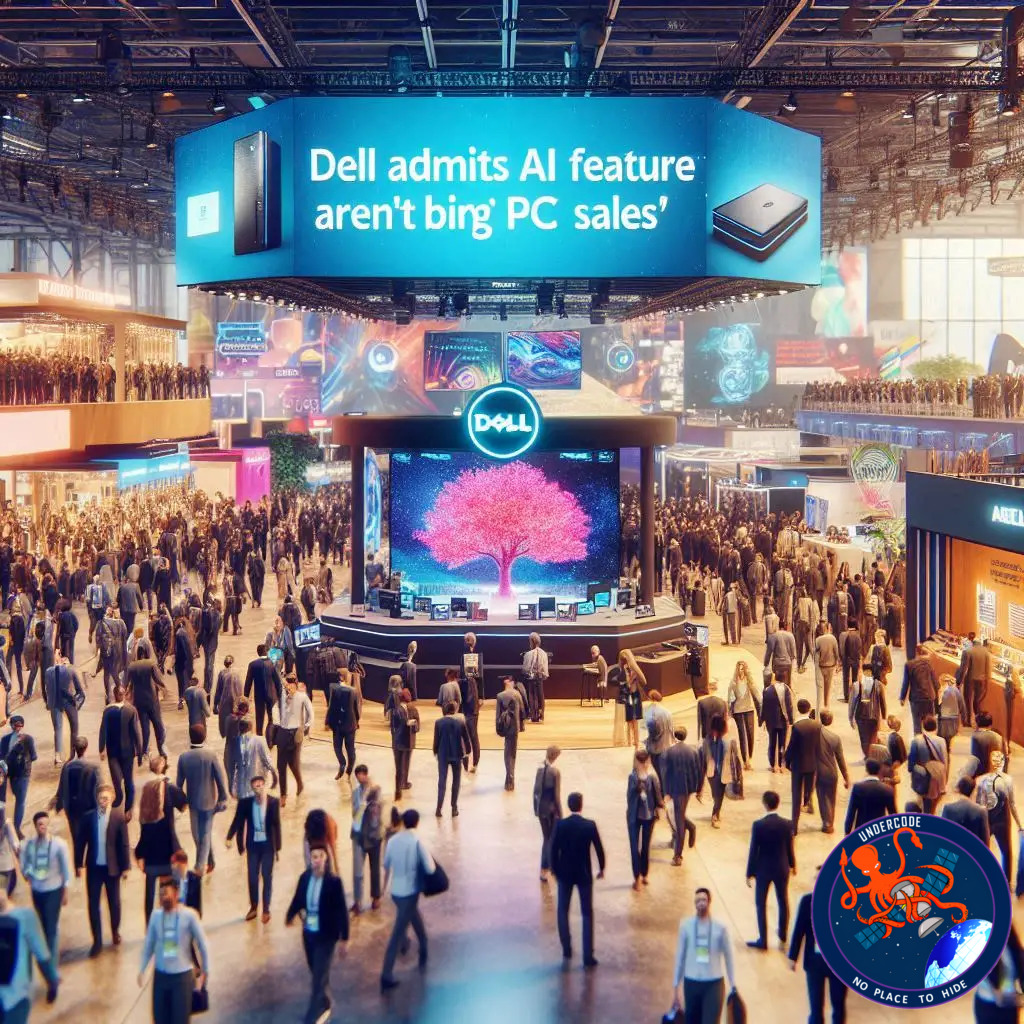
At CES 2026, Dell made a surprising and unusually candid confession: artificial intelligence, despite its hype, is not motivating consumers to buy new PCs. While the tech world has been pushing AI as the next frontier in personal computing, Dell’s experience suggests the reality is far more complicated. Customers remain focused on core hardware performance rather than the futuristic allure of AI-powered tools.
Consumers Aren’t Buying PCs for AI
Dell’s head of product, Kevin Terwilliger, revealed that consumer interest in AI-driven features is minimal. “What we’ve learned over the course of this year, especially from a consumer perspective, is they’re not buying based on AI,” he told PC Gamer. In fact, AI can create more confusion than clarity, leaving buyers unsure of its practical benefits. This statement is striking, considering Dell is one of Microsoft’s largest hardware partners, and Microsoft continues to integrate AI deeply into Windows 11 and promote Copilot+ PCs.
Dell Retreats from AI-First Marketing
The contrast between 2025 and 2026 is stark. At CES 2025, Dell centered its messaging entirely on AI capabilities, touting devices as “AI PCs.” This year, the company deliberately avoided AI-centered marketing, even though all new laptops still feature Neural Processing Units (NPUs). COO Jeff Clarke described the industry’s challenge: the promise of AI has not yet translated into tangible consumer demand, leaving a gap between hype and reality.
Traditional Laptop Features Still Rule
Consumers continue to prioritize core features over experimental AI tools. Battery life, performance, screen quality, and reliable build remain the deciding factors for most PC buyers. Even with integrated AI, devices that fail to meet these fundamental expectations struggle to capture interest. This trend underscores the enduring importance of tried-and-true hardware qualities over novelty software features.
Microsoft’s AI Strategy Faces Challenges
Dell’s revelations create tension for Microsoft, which has bet on AI to drive a new PC upgrade cycle, especially following Windows 10’s end of support in 2025. Features like Windows Recall and Click To Do, available exclusively on Copilot+ PCs, have not captured mainstream attention. Recall, in particular, faced backlash over security concerns, highlighting the risks of AI features that are more experimental than essential.
Dell Focuses Back on Hardware Excellence
In response, Dell is refocusing on what actually resonates with customers: better hardware, enhanced build quality, and the revival of its XPS brand, which had been discontinued last year. The shift suggests that while AI remains a valuable technology, it cannot replace the fundamentals of consumer expectations when it comes to PCs.
What Undercode Say:
Dell’s experience at CES 2026 highlights a fundamental tension in the tech industry: the push for AI innovation versus actual consumer priorities. The company’s decision to step back from AI-first marketing reflects a mature understanding that end users still prioritize reliability over novelty.
The AI narrative has dominated headlines, but this case reveals a gap between marketing and adoption. AI features, such as Copilot+ functionalities, promise productivity gains, but without clear, tangible benefits, they risk being perceived as gimmicks. Dell’s strategy to quietly integrate AI without emphasizing it shows a nuanced approach: the technology adds value quietly, rather than driving purchase decisions.
This situation also exposes a broader challenge for Microsoft. By placing AI at the center of its upgrade cycle, the company risks misalignment with real consumer behavior. Dell’s feedback suggests that software-driven AI alone cannot create demand; hardware quality, usability, and brand reputation remain decisive.
From an analytical perspective, this reflects a recurring pattern in tech adoption. Early hype often overshadows practical utility. Consumers may experiment with AI features, but they will not pay a premium solely for them. Real adoption occurs when AI solves visible, daily problems—streamlining workflows, improving performance, or simplifying user experience without adding confusion.
Dell’s pivot back to its core strengths—XPS, build quality, battery life—demonstrates an important lesson: innovation must complement, not replace, the foundational aspects of a product. AI, in this context, should enhance traditional features subtly, rather than act as a headline driver.
The company’s restraint is also a strategic safeguard. By not overselling AI, Dell avoids overpromising and potential backlash from security or usability issues. It also positions the company to monitor AI adoption trends carefully and scale offerings when the technology matures to meet real-world needs.
This approach may set a precedent for the PC industry. As hype-driven AI experiments proliferate, companies that balance innovation with practical usability may earn consumer trust faster than those pushing AI as a primary selling point.
Dell’s candid acknowledgment could reshape marketing strategies across tech: clear messaging, focusing on tangible improvements, and integrating AI discreetly may be the most effective route forward. The lesson is that technology for technology’s sake rarely drives purchases; consumers want utility first, novelty second.
Fact Checker Results:
✅ Dell confirmed AI is not a major driver of PC sales at CES 2026.
✅ Microsoft’s Copilot+ features faced low adoption and security concerns.
✅ Dell has shifted marketing focus back to core hardware performance.
Prediction:
📊 In the next 12–18 months, AI integration in PCs will become more subtle, focusing on enhancing productivity without dominating marketing narratives. Dell and other manufacturers may quietly innovate with AI-backed features like smart battery management and predictive performance optimizations. Consumers will likely reward devices that combine reliability with practical AI, rather than flashy, standalone AI tools. AI may eventually drive upgrades indirectly, but hardware excellence will remain the primary purchasing driver.
🕵️📝✔️Let’s dive deep and fact‑check.
References:
Reported By: timesofindia.indiatimes.com
Extra Source Hub (Possible Sources for article):
https://www.discord.com
Wikipedia
OpenAi & Undercode AI
Image Source:
Unsplash
Undercode AI DI v2
Bing
🔐JOIN OUR CYBER WORLD [ CVE News • HackMonitor • UndercodeNews ]
📢 Follow UndercodeNews & Stay Tuned:
𝕏 formerly Twitter 🐦 | @ Threads | 🔗 Linkedin | 🦋BlueSky | 🐘Mastodon


