
Listen to this Post
Introduction
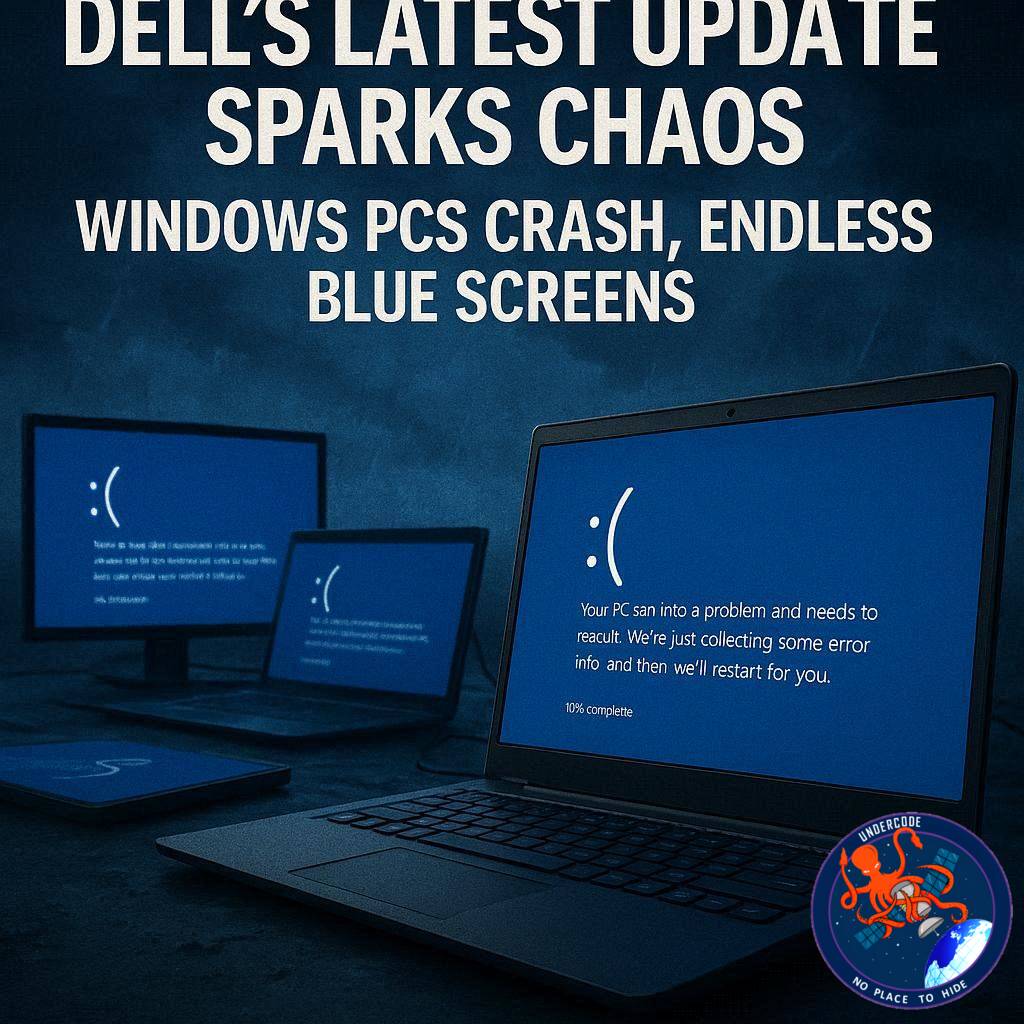
A fresh wave of frustration is sweeping across the Windows community after Dell officially confirmed that its SupportAssist Remediation update version 5.5.16.0 is triggering Blue Screen of Death (BSOD) crashes and unexpected reboots on some Windows 10 and Windows 11 systems. What was supposed to be a maintenance and recovery utility has instead become the source of instability for countless users who suddenly found their machines freezing, restarting, or becoming unusable.
The issue gained attention after cybersecurity-focused accounts on X began reporting widespread complaints from Dell users. The problem appears linked directly to Dell’s SupportAssist Remediation service, a tool designed to help diagnose and automatically resolve PC problems. Ironically, the software intended to keep systems healthy is now causing severe operational failures.
At the same time, another alarming cybersecurity topic started trending online: reports claiming that nearly 19 million exposed NGINX instances may be vulnerable to an 18-year-old remote code execution flaw reportedly rediscovered or amplified through AI-assisted research. The overlap between both stories has intensified concerns about how fragile modern digital infrastructure has become, even when managed by major technology companies.
Dell Admits the Problem Publicly
Dell’s confirmation immediately validated what many users had been complaining about for days. Reports described systems suddenly crashing into BSOD loops shortly after startup, while others experienced random reboots during normal use. Some users claimed the crashes happened while gaming, working, or even during Windows updates, making the issue particularly disruptive.
The company acknowledged that SupportAssist Remediation version 5.5.16.0 may be responsible and advised affected customers to uninstall or disable the service temporarily until a permanent fix is released. While Dell has not disclosed the exact technical cause yet, the confirmation alone signals that the issue is serious enough to warrant emergency attention.
Why SupportAssist Matters So Much
SupportAssist is deeply integrated into many Dell systems. It monitors hardware health, performs diagnostics, installs updates, and attempts automatic repairs. Because it operates at a low system level and interacts closely with Windows components, even a small bug can create massive instability.
That is exactly why the current situation is causing panic among users. A problematic browser extension is annoying; a broken system-level remediation tool can cripple entire machines. In enterprise environments where thousands of Dell laptops are deployed, the consequences could be even more severe.
Windows 10 and 11 Users Both Hit
Unlike some compatibility bugs that affect only older operating systems, this issue appears to impact both Windows 10 and Windows 11 devices. That broad compatibility failure suggests the root cause may involve Dell’s own software architecture rather than a specific Microsoft update conflict.
Users online reported identical symptoms across multiple laptop and desktop models. Some machines entered reboot loops immediately after booting, while others crashed intermittently. The unpredictability of the problem has made troubleshooting difficult for ordinary users.
Social Media Amplified the Crisis
Cybersecurity and tech-focused accounts rapidly spread the warning across X. Screenshots of BSOD errors, boot failures, and system logs flooded timelines. The visibility of the incident escalated quickly because Dell hardware is widely used in homes, schools, businesses, and government offices worldwide.
The timing also made the story more explosive. The same cybersecurity discussions included alarming posts about vulnerable NGINX servers allegedly exposed to AI-assisted exploitation techniques. Together, both stories reinforced growing fears that technology ecosystems are becoming harder to secure and maintain.
The NGINX Panic Adds Fuel to the Fire
While Dell users struggled with crashing systems, another cybersecurity discussion captured attention online. Reports claimed that approximately 19 million exposed NGINX instances could potentially be vulnerable to an ancient remote code execution flaw. The vulnerability itself is reportedly around 18 years old, but renewed attention emerged after claims that AI systems helped identify or weaponize exploitation paths more efficiently.
The countries reportedly showing the highest exposure numbers included the United States, China, and Germany. Although many experts caution that exposure does not automatically mean compromise, the scale of the numbers alone was enough to spark concern throughout the cybersecurity community.
This overlap between Dell’s software instability and fears surrounding exposed internet infrastructure created a perfect storm for online panic.
What Undercode Says:
The Dell Incident Reveals a Bigger Industry Problem
The Dell SupportAssist disaster is not just another annoying software bug. It exposes a deeper issue in modern computing: manufacturers increasingly bundle aggressive background services into systems that users neither requested nor fully control. These services often operate with elevated privileges, meaning when they fail, they fail catastrophically.
Dell is far from the only company doing this. Nearly every major PC manufacturer now ships systems loaded with monitoring tools, telemetry software, auto-update services, recovery agents, and remote diagnostics utilities. The problem is that these tools frequently become larger attack surfaces and stability risks.
Automatic Repair Tools Are Becoming Dangerous
The irony of this story is impossible to ignore. A remediation tool designed to fix problems ended up creating them. That pattern has become disturbingly common in modern software ecosystems.
Automatic recovery platforms today operate almost like autonomous system administrators. They patch files, modify drivers, alter registry settings, and inject services deep into operating systems. When these mechanisms malfunction, the result is often worse than the original issue they were meant to solve.
Enterprise Environments Could Face Major Disruption
Home users may lose gaming sessions or documents, but enterprise networks face a much larger risk. A faulty Dell utility deployed across thousands of endpoints could generate mass downtime in offices, schools, hospitals, or government institutions.
Imagine an organization where hundreds of laptops suddenly begin rebooting during working hours. Productivity collapses instantly. IT teams become overwhelmed. Help desks explode with tickets. Remote employees lose access to critical systems. The financial damage from a single broken update can rapidly climb into millions of dollars.
Trust in OEM Software Continues to Decline
Many advanced users already avoid OEM software entirely, preferring clean Windows installations without manufacturer utilities. Incidents like this reinforce that mindset.
There is growing skepticism toward preinstalled software ecosystems because they often prioritize vendor data collection and ecosystem control over reliability. Every additional background process increases complexity, and complexity is the enemy of stability.
The AI-NGINX Story Signals Another Emerging Threat
The NGINX discussion is equally significant because it highlights how artificial intelligence may accelerate vulnerability discovery. AI can analyze massive codebases faster than humans, correlate patterns across exploit databases, and potentially assist both defenders and attackers.
That creates a dangerous imbalance. Older vulnerabilities once considered obscure may suddenly become exploitable again because AI tools reduce the research barrier dramatically.
Cybersecurity Is Entering an Automation Arms Race
Both stories share a common theme: automation. Dell relied on automated remediation systems. Researchers reportedly used AI-assisted analysis against exposed infrastructure. The future of cybersecurity is becoming increasingly machine-driven.
That means organizations will need stronger validation systems before deploying updates. Blind trust in automated patching pipelines is becoming harder to justify when a single flawed release can destabilize millions of systems globally.
Blue Screens Still Damage Brand Reputation
For many users, the Blue Screen of Death remains the ultimate symbol of Windows instability. Even though modern Windows systems are significantly more stable than older generations, BSOD incidents still carry massive psychological impact.
When users see repeated blue screens after an official vendor update, confidence disappears quickly. That reputational damage can linger long after technical fixes are released.
This Incident Will Likely Trigger Internal Audits
Large organizations using Dell hardware are almost certainly reviewing deployment policies right now. IT administrators may begin delaying OEM updates more aggressively or removing SupportAssist entirely from enterprise images.
The long-term consequence may not be immediate financial loss for Dell, but rather a gradual erosion of trust among enterprise customers.
Security and Stability Are Now Interconnected
A crashing system is not merely an inconvenience anymore. Instability itself can create security gaps. Reboot loops interrupt security monitoring, break endpoint protections, and interfere with incident response visibility.
In highly regulated industries, even temporary instability events can create compliance concerns.
The Real Lesson Behind the Headlines
The Dell crash issue and the NGINX vulnerability panic both point toward the same reality: modern digital infrastructure is increasingly fragile. Companies are building layered ecosystems of automation, AI, cloud integrations, and autonomous maintenance systems that interact in unpredictable ways.
The more interconnected these systems become, the greater the risk that a single failure cascades into widespread disruption.
🔍 Fact Checker Results
✅ Dell Confirmed the SupportAssist Issue
Dell has publicly acknowledged that SupportAssist Remediation version 5.5.16.0 can trigger BSOD crashes and random reboots on some Windows systems.
✅ Users Reported Widespread Instability
Multiple users on X and tech forums reported reboot loops, crashes, and startup failures affecting both Windows 10 and Windows 11 devices.
❌ No Verified Evidence Yet of 19 Million Fully Exploitable NGINX Systems
While exposure numbers circulated online, exposure does not automatically mean compromise. Security researchers have not confirmed that all listed systems are vulnerable or actively exploitable.
📊 Prediction
AI-Assisted Vulnerability Discovery Will Intensify
The cybersecurity industry is heading toward an era where AI dramatically accelerates both vulnerability discovery and exploit development. Older flaws previously ignored may resurface at scale.
OEM Software Will Face Growing Scrutiny
Incidents like Dell’s SupportAssist failure will likely push more users and enterprises toward cleaner operating system deployments with fewer manufacturer-installed services.
Update Validation Processes Will Become Stricter
Major companies may start introducing longer testing windows and staged deployments for low-level system utilities after seeing how damaging a single faulty update can become.
🕵️📝Let’s dive deep and fact‑check.
References:
Reported By: x.com
Extra Source Hub (Possible Sources for article):
https://www.stackexchange.com
Wikipedia
OpenAi & Undercode AI
Image Source:
Unsplash
Undercode AI DI v2
Bing
🔐JOIN OUR CYBER WORLD [ CVE News • HackMonitor • UndercodeNews ]
📢 Follow UndercodeNews & Stay Tuned:
𝕏 formerly Twitter 🐦 | @ Threads | 🔗 Linkedin | 🦋BlueSky | 🐘Mastodon


